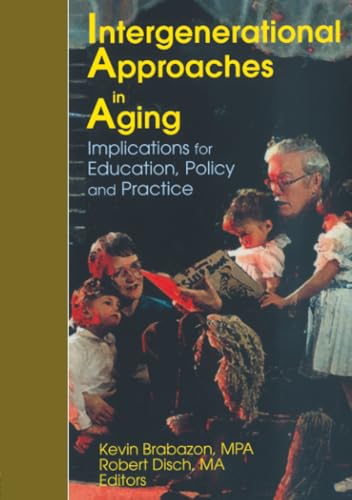

Intergenerational approaches in aging implications for education, policy and practice Kevin Brabazon, Robert Disch, editors.
Detalles de publicación: NY Haworth Press 1997.Descripción: 276 p. 22 cmISBN:- 0789013282
- 305.26 I61 1997
- HQ1064 .U51578 1997
| Imagen de cubierta | Tipo de ítem | Biblioteca actual | Biblioteca de origen | Colección | Ubicación en estantería | Signatura topográfica | Materiales especificados | Info Vol | URL | Copia número | Estado | Notas | Fecha de vencimiento | Código de barras | Reserva de ítems | Prioridad de la cola de reserva de ejemplar | Reservas para cursos | |
|---|---|---|---|---|---|---|---|---|---|---|---|---|---|---|---|---|---|---|
| Libro | Biblioteca de Mayagüez Colección General mb | HQ1064 .U51578 1997 (Navegar estantería(Abre debajo)) | Disponible | 50000002131885 |
Descripciones mejoradas de Syndetics:
In Intergenerational Approaches in Aging: Implications for Education, Policy, and Practice, leading practitioners and academics from a variety of disciplines come together to discuss theoretical issues, current practice, and future directions for this rapidly developing field. The authors address key topics such as defining the intergenerational field, the effects of the segregation of groups by age on social function and organization in our communities, and designing, implementing, and assessing programs that create cross-generational connections. Exploring ways to provide services to different age groups while tapping the strengths and skills of each age group, Intergenerational Approaches in Aging examines the application of intergenerational approaches to important social issues as well as specific challenges faced by practitioners. It makes suggestions for integrating intergenerational studies into the higher education system and for challenging segregated services and funding programs. As the book shows, promoting cooperation between diverse segments of society also depends on:
making intergenerational programming a permanent feature of public schoolsunderstanding and meeting the social, mental health, and medical needs of grandparents who are raising their grandchildren
using observational research to study and evaluate intergenerational program effectiveness and the relationships among the people involved
viewing differences among people as assets
developing intergenerational program models
providing children with a 'life-cycle'view of the worldIntergenerational Approaches in Aging offers the personnel of state and local agencies on aging, nursing homes, senior centers, and geriatric homes practical advice, innovative ideas, and supportive materials for developing and implementing intergenerational activities and programs that can benefit all parties involved. Academics and school administrators will also benefit from this book as they learn concrete methods for integrating aging education into already existing curricula and building new conceptual frames of reference for a wide variety of social issues and historical topics.
Includes bibliographical references and index.