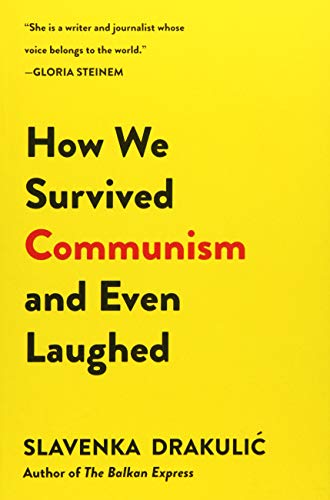

How we survived communism and even laughed Slavenka Drakulić.
Detalles de publicación: New York HarperPerennial 1993.Edición: 1st HarperPerennial edDescripción: xvii, 197 pISBN:- 0060975407
- 335.43/0947 20
- HX365.5.A6 D73 1993
| Imagen de cubierta | Tipo de ítem | Biblioteca actual | Biblioteca de origen | Colección | Ubicación en estantería | Signatura topográfica | Materiales especificados | Info Vol | URL | Copia número | Estado | Notas | Fecha de vencimiento | Código de barras | Reserva de ítems | Prioridad de la cola de reserva de ejemplar | Reservas para cursos | |
|---|---|---|---|---|---|---|---|---|---|---|---|---|---|---|---|---|---|---|
| Libro | Biblioteca Encarnación Valdés Colección General bev | 335.43 D763h (Navegar estantería(Abre debajo)) | Disponible | 80000001735011 |
Descripciones mejoradas de Syndetics:
"She is a writer and journalist whose voice belongs to the world." -- Gloria Steinem
This essay collection from renowned journalist and novelist Slavenka Drakulic, which quickly became a modern (and feminist) classic, draws back the Iron Curtain for a glimpse at the lives of Eastern European women under Communist regimes. Provocative, witty, and intensely personal, How We Survived Communism and Even Laughed cracks open a paradoxical world that through its rejection of capitalism and commoditization ends up fetishizing both.
Examining the relationship between material goods and expressions of happiness and individuality in a society where even bananas were an alien luxury, Drakulic homes in on the eradication of female identity, drawing on her own experiences as well as broader cultural observations. Enforced communal housing that allowed for little privacy, the banishment of many time-saving devices, and a focus on manual labor left no room for such bourgeois affectations as cosmetics or clothes, but Drakulic's remarkable exploration of the reality behind the rhetoric reveals that women still went to desperate lengths to feel "feminine."
How We Survived Communism and Even Laughed also chronicles the lingering consequences of such regimes. The Berlin Wall may have fallen, but Drakulic's power pieces testify that ideology cannot be dismantled so quickly; a lifetime lived in fear cannot be so easily forgotten.
Originally published: [New York]: W.W. Norton & Co., 1992.