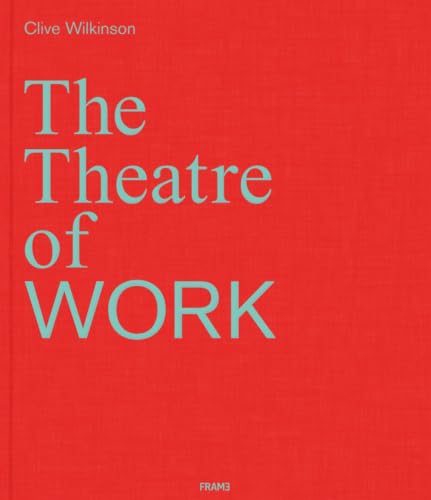

The theatre of work txt
Amsterdam : Frame Publishers, 2019Descripción: 280 p. ill.; photo.; plans.; col. 30 cmTipo de contenido:- text
- unmediaded
- volume
- 9789492311368
- 9492311364
- 23 725.23
- NA6230 T54 2019
| Imagen de cubierta | Tipo de ítem | Biblioteca actual | Biblioteca de origen | Colección | Ubicación en estantería | Signatura topográfica | Materiales especificados | Info Vol | URL | Copia número | Estado | Notas | Fecha de vencimiento | Código de barras | Reserva de ítems | Prioridad de la cola de reserva de ejemplar | Reservas para cursos | |
|---|---|---|---|---|---|---|---|---|---|---|---|---|---|---|---|---|---|---|
| Libro | CARIBET Biblioteca Arquitectura Colección General CARIBET | General NA6230 T54 2019 (Navegar estantería(Abre debajo)) | 1 | Disponible | 91000000062869 |
Descripciones mejoradas de Syndetics:
The modern workplace has evolved from a dehumanized cubicle landscape to space designed for intelligent human life. While utility and amenity are vastly improved, wh at advances have been made in building truly creative communities that spark creativity, knowledge sharing and collaboration? Is the 21st century office performing at peak? Clive Wilkinson - The Theatre of Work proposes an intensified relationship between office users and the space they occupy. The new workspace should amplify and celebrate the activity of work and of human community, and in the process, becoming vital and compelling Theatre.
In defining this new landscape, the author examines global devel opments in workplace thinking, historical antecedents, the performance touch-points for the new office, and proposes seven humanistic principles that will inform a holistic design process that can bring this concept of Theatre to fruition. Each of these principles is demonstrated through case studies of the work of his renowned design studio, Clive Wilkinson Architects (CWA), with rich iconography, diagrammatic strategy and contextual ingenuity. The outcome of this process, with its multiple performative la yers, effectively promotes elevating a corporate brief of basic needs and goals to a profoundly human-centred presentation of 'work as theatre' .
Part one. How did we get here?
Intermezzo. What did we learn?
Part two. Where are we going?. The city as shared memory
The culture model
Disrupt and play
Choice and diversity
Flow, fluidity and transparency
The learning organization
Human scale and community scale.
Architect and writer Clive Wilkinson examines global developments in the workplace and proposes innovative principles for a design process that will bring the concept of?work as theatre? to fruition.00The modern workplace has evolved to provide better technology and more amenities for employees, but what advances have been made in building truly creative communities that spark creativity and collaboration? Is the 21st century office performing at its peak?00'The Theatre of Work' proposes an evolution of the relationship between office users and the spaces they occupy. As work processes and community relationships evolve, new collaborative synergies within the workplace are created. The interplay between space and people offers a new kind of theatre where parallels with the archetypal theatre of the street and the marketplace occur. This emerging new workspace should amplify and celebrate the activity of work and of human community, and in the process, become vital and compelling theatre.00In defining this new office landscape, architect and writer Clive Wilkinson examines global developments in workplace thinking, historical antecedents, the performance touch-points for the new office, and proposes seven humanistic principles that will inform a holistic design process that can bring this concept of theatre to fruition. Each of these principles is demonstrated through case studies of the work of his renowned design studio, Clive Wilkinson Architects (CWa), with rich iconography, diagrammatic strategy and contextual ingenuity. The outcome of this process, with its multiple performative layers, effectively promotes elevating a corporate brief of basic needs and goals to a profoundly human-centered presentation of?work as theatre?