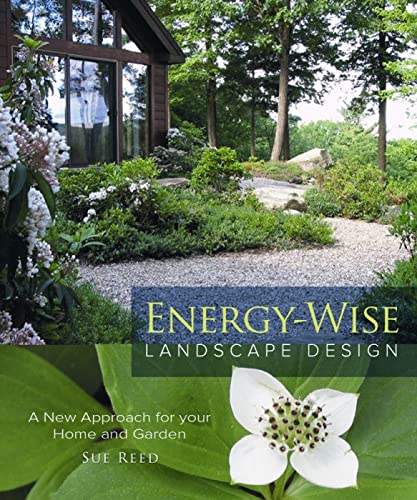

Energy-wise landscape design a new apporach for your home & garden by Sue Reed.
Idioma: Español Detalles de publicación: Philadelphia, Pa. New Society Lancaster Gazelle [distributor] 2010.Descripción: p. cmISBN:- 9780865716537 (pbk.)
- 712.6 22
- SB475.9.E53 R44 2010
| Imagen de cubierta | Tipo de ítem | Biblioteca actual | Biblioteca de origen | Colección | Ubicación en estantería | Signatura topográfica | Materiales especificados | Info Vol | URL | Copia número | Estado | Notas | Fecha de vencimiento | Código de barras | Reserva de ítems | Prioridad de la cola de reserva de ejemplar | Reservas para cursos | |
|---|---|---|---|---|---|---|---|---|---|---|---|---|---|---|---|---|---|---|
| Libro | CARIBET Biblioteca Arquitectura Colección General CARIBET | SB475.9.E53R44 2010 (Navegar estantería(Abre debajo)) | Disponible | 91000000015602 |
Descripciones mejoradas de Syndetics:
Residential consumption represents nearly one quarter of North America's total energy use, and the average homeowner spends thousands of dollars a year on power bills. To help alleviate this problem, Energy-Wise Landscape Design presents hundreds of practical ways everyone can save money, time and effort while making their landscapes more environmentally healthy, ecologically rich and energy efficient.
Combining general guidelines with tips, techniques and actions, this fully illustrated guide explains the many opportunities our landscapes provide for conserving energy. Readers will learn how to:
lower a home's heating and cooling costs minimize fuel used in landscape construction, maintenance and everyday use choose landscape products and materials with lower embedded energy costs make a positive difference without a major investment or change in lifestyle.Intended for homeowners, gardeners, landscape professionals and students, the design ideas in this book will work in every type of setting-large or small, hilly or flat, urban or rural. Written in non-scientific language with clear explanations and an easy conversational style, Energy-Wise Landscape Design is an essential resource for everyone who wants to shrink their energy footprint while enhancing their property and adding value to their home.
Includes bibliographical references (p. 273-283) and index.
Tabla de contenidos provista por Syndetics
- Acknowledgments(p. ix)
- Introduction(p. 1)
- Section I Arranging the Landscape to Help Cool a House in Summer(p. 5)
- Chapter 1 The Sun and the Wind(p. 7)
- Chapter 2 Shading the House(p. 21)
- ACTION: Provide Shade During Early Morning and Late Afternoon(p. 23)
- ACTION: Shade the House During Mid-afternoon and Mid-morning(p. 26)
- ACTION: Shade South-facing Windows and Walls(p. 30)
- Chapter 3 Cooling the Air Around the House(p. 35)
- ACTION: Add Trees and Many Other Plants to Your Landscape(p. 37)
- ACTION: Capture Breezes(p. 38)
- Chapter 4 Cooling the Ground near the House(p. 43)
- ACTION: Shade the Ground with Living Plants(p. 44)
- ACTION: Cover Bare Ground with Mulch(p. 46)
- ACTION: Minimize the Extent of Mown Lawn(p. 46)
- ACTION: Minimize Hard Surfaces, Especially Near the House(p. 48)
- ACTION: Use "Cool Pavement" On Driveways(p. 49)
- Section II Arranging the Landscape to Help Warm a House in Winter(p. 53)
- Chapter 5 Taking Advantage of the Sun's Heat(p. 55)
- ACTION: Allow Maximum Sunlight to Reach the House at Midday(p. 57)
- ACTION: Make the Most of Morning and Afternoon Sunlight(p. 60)
- Chapter 6 Reducing the Chilling Effect of Winter Wind(p. 63)
- ACTION: Plant a Windbreak(p. 64)
- ACTION: Plant a Buffer near the House(p. 68)
- ACTION: Position Structures to Deflect Wind(p. 70)
- Section III Designing the Realm of Plants(p. 73)
- Chapter 7 Creating Healthy Working Ecosystems(p. 75)
- ACTION: Use Regionally Native Plants(p. 77)
- ACTION: Select Plants That Contribute to the Work of Nature(p. 82)
- ACTION: Match Plants to Soil Conditions(p. 83)
- ACTION: Add Nothing; Just Remove Unwanted Plants(p. 87)
- Chapter 8 Reducing (or Eliminating) Lawn(p. 89)
- ACTION: Stop Mowing Some of the Lawn(p. 91)
- ACTION: Replace Some Amount of Existing Lawn with Other Elements(p. 93)
- ACTION: Design a Lawn-free Landscape(p. 96)
- Chapter 9 Using Water Efficiently(p. 99)
- ACTION: Design Gardens for Least Water Demand(p. 100)
- ACTION: Manage Runoff with Topography(p. 103)
- ACTION: Collect Rainwater(p. 106)
- Section IV Designing the Whole Property(p. 111)
- Chapter 10 Fitting the Landscape to the Land(p. 113)
- ACTION: Revise Your Ideas to Fit the Terrain(p. 115)
- ACTION: Use the Gentlest Terrain for Things That Need It(p. 116)
- ACTION: Use Steeper Slopes for Things That Don't Need Level Land(p. 117)
- Chapter 11 Designing the Car Zone(p. 119)
- ACTION: Put the Driveway in the Right Place(p. 120)
- ACTION: Design the Car Zone Big Enough, but Not Too Big(p. 124)
- ACTION: Choose Suitable Paving Material(p. 127)
- Chapter 12 Making the Most of Every Element(p. 131)
- ACTION: Design for Function As Well As Appearance(p. 131)
- ACTION: Design for Multipurpose(p. 134)
- ACTION: Use Materials Efficiently(p. 136)
- Chapter 13 Situating New Homes with Energy in Mind(p. 139)
- ACTION: Position the House for Maximum Solar Gain(p. 140)
- ACTION: Situate Buildings in Accord with the Wind(p. 142)
- ACTION: Plan First, Cut Later(p. 143)
- ACTION: Buy the Right Land for Your Needs(p. 144)
- Section V Construction and Care(p. 147)
- Chapter 14 Installing and Maintaining Planted Areas(p. 149)
- ACTION: Limit Importing Topsoil from Off-site(p. 149)
- ACTION: Amend Soil Only When Necessary, and with a Light Touch(p. 152)
- ACTION: Plant Trees and Shrubs Properly(p. 158)
- ACTION: Mulch Bare Garden Soil(p. 163)
- ACTION: Plant Wildflower Meadows So They Thrive(p. 165)
- ACTION: Create Healthy Low-maintenance Lawns(p. 170)
- ACTION: Water Wisely(p. 173)
- ACTION: Acquire Plants Appropriately(p. 176)
- Chapter 15 Building Structures in the Landscape(p. 179)
- ACTION: Lay Patios and Paths to Be Durable(p. 179)
- ACTION: Build Stone Walls so They Hold Up Well(p. 184)
- ACTION: Build Wood Structures for Long Life(p. 186)
- ACTION: Use Alternative, Renewable Materials(p. 192)
- Chapter 16 Constructing New Homesites(p. 197)
- ACTION: Protect the Site Before and During Construction(p. 197)
- ACTION: Use Energy-efficient Construction Techniques(p. 202)
- ACTION: Consider Building an Earth-sheltered Home(p. 205)
- ACTION: Heal the Site after Construction(p. 209)
- Section VI Generating Energy in Your Landscape(p. 211)
- Chapter 17 Making Electricity from Sunlight(p. 217)
- What's Involved?(p. 218)
- What's Required?(p. 219)
- Chapter 18 Generating Electricity from the Wind(p. 223)
- What's Involved(p. 224)
- What's Required(p. 225)
- Chapter 19 Harnessing the Energy of Flowing Water(p. 229)
- What's Involved?(p. 230)
- What's Required?(p. 230)
- Chapter 20 Capturing the Warmth of the Ground(p. 235)
- What's Involved?(p. 235)
- What's Required?(p. 236)
- Section VII Lights in the Landscape(p. 239)
- Chapter 21 Lighting with Energy in Mind(p. 241)
- ACTION: Use the Right Energy Source for the Job(p. 241)
- ACTION: Arrange Electrical Circuits to Allow Maximum Control(p. 243)
- ACTION: Install Various Kinds of Controls(p. 244)
- ACTION: Use the Most Appropriate Light Bulb(p. 246)
- ACTION: Point Light Downward, Not at the Sky(p. 250)
- ACTION: Clean and Maintain Light Fixtures(p. 252)
- Conclusion(p. 253)
- Appendix A Details and Calculations(p. 257)
- Appendix B Plant Lists(p. 265)
- Appendix C Resources(p. 273)
- Endnotes(p. 277)
- Bibliography(p. 281)
- Index(p. 285)
- About the Author(p. 293)