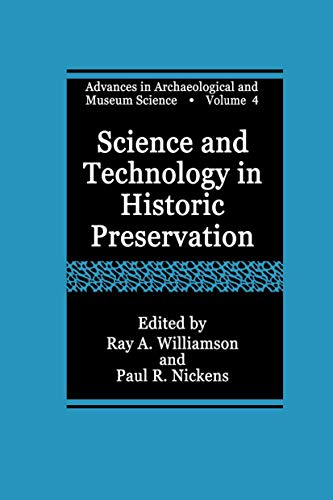

Science and Technology in Historic Preservation : edited by Ray A. Williamson and Paul R. Nickens. txt
Series Advances in archaeological and museum science ; v. 4New York : Kluwer Academic / Plenum Publishers , 2000Descripción: xxii, 357 p. ill. ; 24 cmTipo de contenido:- text
- unmediaded
- volume
- 0306462125
- 9780306462122
- 930.1 21
- CC135 S34 2000
| Imagen de cubierta | Tipo de ítem | Biblioteca actual | Biblioteca de origen | Colección | Ubicación en estantería | Signatura topográfica | Materiales especificados | Info Vol | URL | Copia número | Estado | Notas | Fecha de vencimiento | Código de barras | Reserva de ítems | Prioridad de la cola de reserva de ejemplar | Reservas para cursos | |
|---|---|---|---|---|---|---|---|---|---|---|---|---|---|---|---|---|---|---|
| Libro | CARIBET Biblioteca Arquitectura Colección General CARIBET | General CC135 S34 2000 (Navegar estantería(Abre debajo)) | 4 | 1 | Disponible | 91000000000323 |
Descripciones mejoradas de Syndetics:
Technology transfer has played an increasingly important role in historic preservation during the latter half of the twentieth century, a situation attested to by the undertaking of an important congressional study in 1986 that assessed the role of federal agencies in the field. In this book leading researchers update the earlier findings and contribute state-of-the-art reviews and evaluations of technological progress in their areas of expertise.
Include index.
Includes bibliographical references.
Contents :
I. INTRODUCTION --
Chapter 1. The Opportunities and Challenges of Preservation of Technologies 3 By : Ray A. Williamson --
Abstract 3 --
Introduction 3 --
Preservation Technology and Public Policy 4 --
Digital Information Technologies 5 --
Technology Issues 10 --
The Preservation Technology Agenda of the Future 13 --
Conclusion 17 --
References 17 --
II. DISCOVERY, DOCUMENTATION, AND ANALYSIS --
Chapter 2 Remote Sensing Methods 21 By : Thomas Sever --
Abstract 21 --
Introduction 21 --
Remote Sensing and Multispectral Digital Imagery 23 --
Sensors and Platforms 29 --
Multispectral Digital Sensor Systems 33 --
Airborne Sensors 37 --
Portable Sensors 41 --
Image Analysis Software / Hardware 44 --
Conclusion 44 --
Acknowledgements 45 --
Notes 45 --
References 46 --
Chapter 3 Near Surface, High Resolution Geophysical Methods for Cultural Resource Management and Archaeological Investigations 53 By : Don. H. Heimmer and Steven L. De Vore Abstract 53 --
Introduction 54 --
Geophysical Techniques 55 --
Example 65 --
Summary 68 --
References 72 --
Chapter 4 Science Based Dating Methods in Historic Preservation 75 By : R. E. Taylor --
Abstract 75 --
Introduction 75 --
Radiocarbon 77 --
Dendrochronology 90 --
Archaeomagnetic Dating 91 --
Obsidian Hydration 92 --
Conclusion 94 --
Acknowledgements 94 --
References 95 --
Chapter 5 Nondestructive Testing of Historic Structures 97 By : Richard Livingston --
Abstract 97 --
Introduction 97 --
Operating Principles of NDT Methods 98 --
Architectural Archaeometry 107 --
Structural Analysis 109 --
Materials Characterization 112 --
Environmental Conditions 113 --
Barriers to Implementation of NDT 114 --
Research Needs 117 --
References 117 --
Chapter 6 Recent Advances in Underwater Archaeology 121 By : Daniel Lenihan --
Abstract 121 --
Introduction 121 --
Where Are We ? : Positioning the Research Vessel 122 --
Where Are We ? : Underwater Remote Sensing 125 --
Joysticks and Sleds: Robotics and Towed Arrays 129 --
We Got One . . . Now What ? Nondestructive Site Documentation 132 --
Gettin ' It Together : GIS and Underwater Archaeology 136 --
Swimming Through History: Diving Technology 137 --
Conclusion 139 --
References 140 --
Chapter 7. Determination of Provenance 143 By : Edward Sayre --
Abstract 143 --
Introduction 143 --
Characterization Through Examination of Structure 145 --
Characterization Through Identification of Raw Materials and Inclusions 150 --
Characterization Through Multielement Compositional Analysis 152 --
Multivariate Statistical Data Handling 160 --
Characterization Through Ratios of Stable Isotopes 164 --
Conclusion 168 --
References 168 --
III. RESTORATION AND CONSERVATION --
Chapter 8 Technologies for Wood Preservation in Historic Preservation 173 By : Joseph Loferski --
Abstract 173 --
Introduction 173 --
Wood Deterioration 175 --
Technology for Preservation 178 --
Summary 179 --
Chapter 9 Conservation of Cultural Materials from Underwater Sites 193 By : Donny L . Hamilton --
Abstract 193 --
Introduction 193 --
Current Conservation Procedures 194 --
Conservation of Metals Recovered from Marine Sites 195 --
Conservation of Wood 209 --
Leather Conservation 216 --
Bone, Ivory 217 --
Ceramics 219 --
Glass Conservation 222 --
Conclusion 223 --
References 225 --
IV. MANAGEMENT, MAINTENANCE, AND PROTECTION --
Chapter 10 Geographic Information Systems in Historic Preservation 231 By : Fred Limp --
Abstract 231 --
Introduction 231 --
Automated Cartographic Display 232 --
Site or Property Characterization and Inventory 233 --
Conclusion 245 --
References 245 --
Chapter 11 The Use of Computers in Cultural Resource Management 249 By : John Myers --
Abstract 249 --
Introduction 249 --
Software Development in Cultural Resource Management 250 --
CRM Computer Applications 251 --
Archaeological Applications 254 --
Collections Management Applications 256 --
Multiple Resource Applications 258 --
Conclusion 262 --
Table of Sources 264 --
Chapter 12 Cultural Resource Management in Context 267 By : Ruthann Knudson --
Abstract 267 --
Introduction 268 --
The Legal Basis for Cultural Resource Management 271 --
Philosophy 273 --
Cultural Resource Management Participants 280 --
Methods 282 --
Summary 285 --
References 286 --
Chapter 13 Technologies against Looting and Vandalism 291 By : Judith Reed and Joan Schneider --
Abstract 291 --
Introduction 291 --
Legal Issues 299 --
Additional Advantages of Remote Surveillance 302 --
Types of Commercial Monitoring Systems 303 --
Hiprotect 304 --
Evaluating An Archaeological Resource for a Monitoring System 304 --
Long Term Goals and Public Education 306 --
References 307 --
Chapter 14 Technologies for In-Place Protection and Long Term Conservation of Archaeological Sites 309 By : Paul R. Nickens --
Abstract 309 --
Introduction 309 --
Archaeological Sites and A Conservation Ethic 311 --
Archaeological Site Protection Technologies and Strategies 312 --
Management Guidelines and Strategies 326 --
Technology Transfer 328 --
Conclusions 329 --
References 329 --
About the Editors 333 --
Index 335 --
Tabla de contenidos provista por Syndetics
- I. Introduction
- Chapter 1 The Opportunities and Challenges of Preservation Technologies(p. 3)
- Abstract(p. 3)
- Introduction(p. 3)
- Preservation Technology and Public Policy(p. 4)
- Digital Information Technologies(p. 5)
- Technology Issues(p. 10)
- The Preservation Technology Agenda of the Future(p. 13)
- Conclusion(p. 17)
- References(p. 17)
- II. Discovery, Documentation, and Analysis
- Chapter 2 Remote Sensing Methods(p. 21)
- Abstract(p. 21)
- Introduction(p. 21)
- Remote Sensing and Multispectral Digital Imagery(p. 23)
- Sensors and Platforms(p. 29)
- Multispectral Digital Sensor Systems(p. 33)
- Airborne Sensors(p. 37)
- Portable Sensors(p. 41)
- Image Analysis Software/Hardware(p. 44)
- Conclusion(p. 44)
- Acknowledgements(p. 45)
- Notes(p. 45)
- References(p. 46)
- Chapter 3 Near-Surface, High Resolution Geophysical Methods for Cultural Resource Management and Archaeological Investigations(p. 53)
- Abstract(p. 53)
- Introduction(p. 54)
- Geophysical Techniques(p. 55)
- Example(p. 65)
- Summary(p. 68)
- References(p. 72)
- Chapter 4 Science-Based Dating Methods in Historic Preservation(p. 75)
- Abstract(p. 75)
- Introduction(p. 75)
- Radiocarbon(p. 77)
- Dendrochronology(p. 90)
- Archaeomagnetic Dating(p. 91)
- Obsidian Hydration(p. 92)
- Conclusion(p. 94)
- Acknowledgments(p. 94)
- References(p. 95)
- Chapter 5 Nondestructive Testing of Historic Structures(p. 97)
- Abstract(p. 97)
- Introduction(p. 97)
- Operating Principles of NDT Methods(p. 98)
- Architectural Archaeometry(p. 107)
- Structural Analysis(p. 109)
- Materials Characterization(p. 112)
- Environmental Conditions(p. 113)
- Barriers to Implementation of NDT(p. 114)
- Research Needs(p. 117)
- References(p. 117)
- Chapter 6 Recent Advances in Underwater Archaeology(p. 121)
- Abstract(p. 121)
- Introduction(p. 121)
- Where Are We?: Positioning the Research Vessel(p. 122)
- Where Are We?: Underwater Remote Sensing(p. 125)
- Joysticks and Sleds: Robotics and Towed Arrays(p. 129)
- We Got One ... Now What? Nondestructive Site Documentation(p. 132)
- Gettin' It Together: GIS and Underwater Archaeology(p. 136)
- Swimming Through History: Diving Technology(p. 137)
- Conclusion(p. 139)
- References(p. 140)
- Chapter 7 Determination of Provenance(p. 143)
- Abstract(p. 143)
- Introduction(p. 143)
- Characterization Through Examination of Structure(p. 145)
- Characterization Through Identification of Raw Materials and Inclusions(p. 150)
- Characterization Through Multielement Compositional Analysis(p. 152)
- Multivariate Statistical Data Handling(p. 160)
- Characterization Through Ratios of Stable Isotopes(p. 164)
- Conclusion(p. 168)
- References(p. 168)
- III. Restoration and Conservation
- Chapter 8 Technologies for Wood Preservation in Historic Preservation(p. 173)
- Abstract(p. 173)
- Introduction(p. 173)
- Wood Deterioration(p. 175)
- Technology for Preservation(p. 178)
- Summary(p. 179)
- Chapter 9 Conservation of Cultural Materials from Underwater Sites(p. 193)
- Abstract(p. 193)
- Introduction(p. 193)
- Current Conservation Procedures(p. 194)
- Conservation of Metals Recovered from Marine Sites(p. 195)
- Conservation of Wood(p. 209)
- Leather Conservation(p. 216)
- Bone, Ivory(p. 217)
- Ceramics(p. 219)
- Glass Conservation(p. 222)
- Conclusion(p. 223)
- References(p. 225)
- IV. Management, Maintenance, and Protection
- Chapter 10 Geographic Information Systems in Historic Preservation(p. 231)
- Abstract(p. 231)
- Introduction(p. 231)
- Automated Cartographic Display(p. 232)
- Site or Property Characterization and Inventory(p. 233)
- Conclusion(p. 245)
- References(p. 245)
- Chapter 11 The Use of Computers in Cultural Resource Management(p. 249)
- Abstract(p. 249)
- Introduction(p. 249)
- Software Development in Cultural Resource Management(p. 250)
- CRM Computer Applications(p. 251)
- Archaeological Applications(p. 254)
- Collections Management Applications(p. 256)
- Multiple Resource Applications(p. 258)
- Conclusion(p. 262)
- Table of Sources(p. 264)
- Chapter 12 Cultural Resource Management in Context(p. 267)
- Abstract(p. 267)
- Introduction(p. 268)
- The Legal Basis for Cultural Resource Management(p. 271)
- Philosophy(p. 273)
- Cultural Resource Management Participants(p. 280)
- Methods(p. 282)
- Summary(p. 285)
- References(p. 286)
- Chapter 13 Technologies against Looting and Vandalism(p. 291)
- Abstract(p. 291)
- Introduction(p. 291)
- Legal Issues(p. 299)
- Additional Advantages of Remote Surveillance(p. 302)
- Types of Commercial Monitoring Systems(p. 303)
- Hiprotect(p. 304)
- Evaluating An Archaeological Resource for a Monitoring System(p. 304)
- Long Term Goals and Public Education(p. 306)
- References(p. 307)
- Chapter 14 Technologies for In-Place Protection and Long-Term Conservation of Archaeological Sites(p. 309)
- Abstract(p. 309)
- Introduction(p. 309)
- Archaeological Sites and A Conservation Ethic(p. 311)
- Archaeological Site Protection Technologies and Strategies(p. 312)
- Management Guidelines and Strategies(p. 326)
- Technology Transfer(p. 328)
- Conclusions(p. 329)
- References(p. 329)
- About the Editors(p. 333)
- Index(p. 335)
Notas de autor provistas por Syndetics
Steven L. De Vore : Interagency Archaeological Services, Rocky Mountain Regional Office, National Park Service, Denver, ColoradoDonny L. Hamilton : Nautical Archaeology Program, Texas AandM University, College Station, Texas
Donald H. Heimmer : Geo-Recovery Systems, Golden, Colorado
Ruthann Knudson : Agate Fossil Beds National Monument, National Park Service, Harrison, Nebraska
Daniel Lenihan : Submerged Cultural Resources Unit, National Park Service, Santa Fe, New Mexico
W. Fredrick Limp : Center for Advanced Spatial Technologies, University of Arkansas, Fayetteville
Richard A. Livingston : Research and Development, Federal Highway Administration, McLean, Virginia
Joseph R. Loferski : Department of Wood Science, Brooks Forest Products Center, Virginia Polytechnic Institute, Blacksburg
John R. Myers : Center for Public Buildings, Economic Development Institute, Georgia Institute of Technology, Atlanta
Paul R. Nickens : Bureau of Applied Research in Anthropology, University of Arizona, Tucson
Judith Reed : Pecos National Historical Park, Pecos, New Mexico
Edward V. Sayre : Conservation Analytical Laboratory, Smithsonian Institution, Washington, DC
Joan S. Schneider : Preservation Science and Technology Unit, Department of Anthropology, University of California, Riverside
Thomas A. Sever : Global Hydrology and Climate Center, NASA-Marshall Space Flight Center, Huntsville, Alabama
R. E. Taylor : Radiocarbon Laboratory, Department of Anthropology, Institute of Geophysics and Planetary Physics, University of California, Riverside
Ray A. Williamson : Space Policy Institute, Georgetown University, Washington, DC