
| Imagen de cubierta | Tipo de ítem | Biblioteca actual | Biblioteca de origen | Colección | Ubicación en estantería | Signatura topográfica | Materiales especificados | Info Vol | URL | Copia número | Estado | Notas | Fecha de vencimiento | Código de barras | Reserva de ítems | Prioridad de la cola de reserva de ejemplar | Reservas para cursos | |
|---|---|---|---|---|---|---|---|---|---|---|---|---|---|---|---|---|---|---|
| Libro | CARIBET Biblioteca Arquitectura Colección General CARIBET | NA997.A24 A4 2002 (Navegar estantería(Abre debajo)) | Disponible | 91000000010140 |
Descripciones mejoradas de Syndetics:
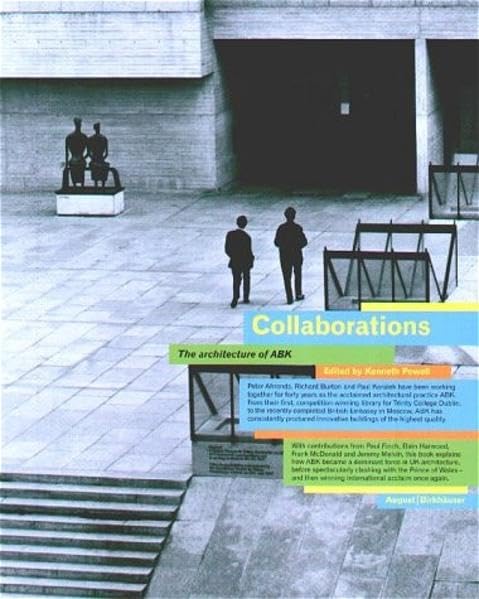
The work of British architects ABK is characterized by the founding partners' belief that buildings shold address farm more than purely functional needs. Key issues for this practice since it was founded 40 years ago have become central concerns for architecture in the early 21st century: energy and the environment, historic context and the importance of user participation. Peter Ahrends, Richard Burton and Paul Koralek are particularly interested in the integration of art, architecture and landscape, an approach which has resulted in a series of collaborative partnerships over the course of their careers. This book traces the practice's development, from early landmark projects like the Berkeley Library at Trinity College, Dublin to the highly acclaimed British Embassy in Moscow, which opened in 2000. It also tells the full story, for the first time, behind the most notorious British architectural episode of the 1980s-how ABK won the commission to design an extension to the National Gallery in London, only to have it taken away from them when Prince Charles described the scheme as a 'monstrous carbuncle'.
"Authors, Elain Harwood, Paul Finch, Frank McDonald, Jeremy Melvin"--P. [5].
Includes index.