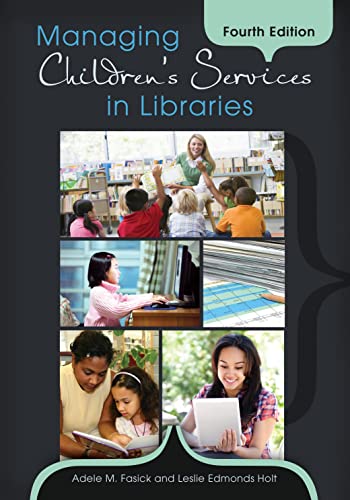

Managing children's services in libraries Adele M. Fasick and Leslie Edmonds Holt.
Detalles de publicación: Santa Barbara, Calif. Libraries Unlimited c2013.Edición: 4th edDescripción: xix, 225 p. 27 cmISBN:- 9781610691000 (acid-free paper)
- 9781610693738 (eBook)
- 025.197625 F248m4 23
- Z718.2.U6 F37 2013
| Imagen de cubierta | Tipo de ítem | Biblioteca actual | Biblioteca de origen | Colección | Ubicación en estantería | Signatura topográfica | Materiales especificados | Info Vol | URL | Copia número | Estado | Notas | Fecha de vencimiento | Código de barras | Reserva de ítems | Prioridad de la cola de reserva de ejemplar | Reservas para cursos | |
|---|---|---|---|---|---|---|---|---|---|---|---|---|---|---|---|---|---|---|
| Libro | Biblioteca Encarnación Valdés Colección General bev | 025.197625 F248m4 (Navegar estantería(Abre debajo)) | Disponible | 80000002505017 |
Descripciones mejoradas de Syndetics:
Providing guidelines for designing collections and services that best serve 21st-century needs in school and public libraries, this book helps librarians to understand today's children and the ways they interact with information and recreational materials.
Managing Children's Services in Libraries, Fourth Edition is designed to give students and new library workers the skills they need to succeed as well as get experienced librarians up to speed on the new developments in technology, publishing, and education. The book takes a broad view of all aspects of library work with children, addressing the dramatic and ongoing changes in school and pubic libraries.
This latest edition of a popular, proven resource focuses on practical ways to organize library services to children and the adults who care for them, and on expanding services from the building level to the greater community. Sections focus specifically on collections, planning services, managing personnel and budgets, and working with other community agencies. The book is written to serve as a textbook for courses in services to children and young adults, and is appropriate for short workshops and in-service training for library staff. Administrators and department heads will find it a useful tool for designing and updating library services.
Includes bibliographical references (p. [207]-213) and index.
Previous ed.: 2008.
Tabla de contenidos provista por Syndetics
- List of Figures(p. xiii)
- Section I The Library in Its Community: Challenges and Changes(p. 1)
- Chapter 1 Why Do We Need Libraries for Children?(p. 3)
- Purposes of Children's Libraries(p. 3)
- Changing Priorities(p. 4)
- Types of Children's Libraries(p. 6)
- Public Libraries(p. 6)
- School Libraries(p. 6)
- Special Libraries(p. 7)
- Planning Services for All Children(p. 7)
- Preschool Children(p. 8)
- School-Age Children(p. 9)
- Transitional Users(p. 9)
- Adults(p. 10)
- Differences Unrelated to Age(p. 11)
- Types of Services(p. 12)
- Building Collections(p. 13)
- Making the Collection Accessible(p. 13)
- Delivering Information Services(p. 14)
- Providing Educational and Recreational Programs(p. 14)
- Outreach(p. 14)
- Marketing Services(p. 15)
- Evaluation and Accountability(p. 15)
- Looking Forward(p. 16)
- Chapter 2 Getting to Know Today's Children(p. 19)
- Demographic Changes(p. 19)
- Changing Educational Trends(p. 20)
- Homeschooling(p. 20)
- Online Schools and Classes(p. 20)
- High Stakes Testing(p. 21)
- e-textbooks(p. 21)
- Changing Uses of Media and Technology(p. 22)
- Changes in Reading Formats(p. 23)
- Schools(p. 23)
- Public Libraries(p. 24)
- Changes in Information Seeking(p. 24)
- Digital Resources(p. 24)
- Group Searching(p. 25)
- Changes in Employment Outlook(p. 25)
- Section II Planning Services: Challenges and Changes(p. 29)
- Chapter 3 Strategic Planning(p. 31)
- Mission Statements for Strategic Planning(p. 31)
- Public Library Mission Statements(p. 31)
- School Library Mission Statements(p. 32)
- Children's Libraries in Other Settings(p. 33)
- Moving from Mission to Departmental Goals(p. 33)
- Environmental Scan(p. 34)
- Strategy Formulation through Objectives(p. 35)
- Hallmarks of Useful Objectives, Activity Statements, and Indicators(p. 36)
- Collaborative Planning(p. 37)
- Working with Objectives(p. 38)
- Visualizing the Strategic Planning Process(p. 39)
- Chapter 4 Evaluation(p. 41)
- Evaluating Achievement(p. 41)
- Outcome Evaluation(p. 41)
- Knowing Where You Stand-Routine Collection of Data about Services(p. 42)
- Evaluating Specific Programs or Activities(p. 44)
- Statistical Evaluation(p. 45)
- Qualitative Evaluation(p. 45)
- Using the Results of Evaluation(p. 45)
- Causes of Failure to Meet Objectives(p. 46)
- Reporting Evaluation Results(p. 47)
- What Is an Annual Report?(p. 47)
- Who Prepares the Annual Report and When?(p. 48)
- Preparing the Annual Report(p. 49)
- Audiences for Annual Report(p. 49)
- Theme of the Report(p. 49)
- Telling the Story with Graphics(p. 50)
- Pictures(p. 50)
- Use Several Different Channels(p. 51)
- Chapter 5 Budgeting and Fundraising(p. 53)
- Preparing the Budget(p. 54)
- Staff Time(p. 58)
- Adding New Programs and Services(p. 58)
- Managing the Budget(p. 59)
- Accountability(p. 59)
- Fundraising(p. 60)
- Friends/Parent Support(p. 61)
- Foundations(p. 62)
- Corporate Support(p. 63)
- Grant Support(p. 64)
- Locating Grant Opportunities(p. 64)
- Chapter 6 Facilities and Space Planning(p. 69)
- Maintaining Library Space(p. 69)
- Day-to-Day Issues(p. 70)
- Looking Good(p. 70)
- Adult Friendly(p. 71)
- Changing Spaces(p. 71)
- Planning Interiors(p. 72)
- Housing the Collection(p. 74)
- Furnishings(p. 74)
- Infrastructure(p. 75)
- Planning for Technology(p. 75)
- Other Considerations(p. 75)
- New Libraries(p. 76)
- Evaluating Space(p. 77)
- Section III Developing and Managing Collections: Challenges and Changes(p. 79)
- Chapter 7 Collection Development in a Multimedia World(p. 81)
- Changing Nature of Library Collections(p. 81)
- Selection of Print Materials(p. 84)
- Selection of Digital Materials(p. 84)
- Sharing Resources(p. 86)
- Weeding the Collection(p. 86)
- Selection Policies(p. 88)
- Keeping Up with Changing Needs(p. 89)
- Chapter 8 Acquisition, Automated Systems, and Access(p. 93)
- Materials Acquisition(p. 94)
- Automated Systems(p. 96)
- Cataloging and Classification(p. 96)
- Changes in Automated Systems(p. 99)
- Circulation(p. 100)
- Access(p. 100)
- Shelving Materials(p. 101)
- Marketing the Collection(p. 102)
- Promoting Electronic Media(p. 103)
- Chapter 9 Intellectual Freedom and Privacy(p. 105)
- Issues in Intellectual Freedom(p. 105)
- Specific Issues with Digital Resources(p. 108)
- Basic Steps for Preserving Intellectual Freedom in Youth Services(p. 110)
- Step One: Know the Documents Supported by the American Library Association(p. 110)
- Step Two: Have a Selection Policy in Place(p. 114)
- Step Three: Be Prepared to Deal with Challenges(p. 114)
- Children's Right to Privacy in Public and School Libraries(p. 116)
- Basic Steps for Preserving the Privacy of Library Users(p. 117)
- Step One: Develop a Privacy Policy(p. 117)
- Step Two: Review Your Privacy Practices(p. 118)
- Step Three: Protecting Children from Social Media Misuse(p. 118)
- Talking Points for Explaining Library Policy(p. 120)
- Section IV Managing Services: Challenges and Changes(p. 121)
- Chapter 10 Programs and Services for Children(p. 123)
- Reading Enhancement Programs(p. 123)
- Steps in Planning a Storytime(p. 124)
- Making Preschool Programs Available to Offsite Children(p. 125)
- Reading Development Programs for School-Age Children(p. 126)
- Helping Children Find Information(p. 126)
- Information Services in Libraries(p. 127)
- Alternative Delivery Programs(p. 128)
- Homework Help(p. 129)
- Enrichment Programs for Children(p. 129)
- Programs to Increase Library Visibility(p. 130)
- Preparing for an Event(p. 131)
- Attracting a Large Audience(p. 131)
- Planning an Author Visit(p. 132)
- Other Programs to Increase Library Visibility(p. 133)
- Chapter 11 Outreach and Cooperative Programs(p. 135)
- School and Public Library Cooperation(p. 135)
- Resource Sharing(p. 137)
- Communication(p. 137)
- School Programs and Services(p. 139)
- Sharing Space(p. 141)
- Working with Child-Serving Agencies(p. 142)
- Public Library Outreach(p. 143)
- Outreach to Daycare(p. 144)
- Chapter 12 Marketing and Maintaining a Public Profile(p. 147)
- Branding(p. 148)
- Developing a Marketing Plan(p. 149)
- Public Relations(p. 150)
- Quality Library Services(p. 151)
- Meeting the Public(p. 152)
- Handouts: Flyers, Posters, Bookmarks, and Brochures(p. 153)
- Electronic Media Promotion Services(p. 153)
- News Releases(p. 155)
- Public Service Announcements(p. 156)
- Media Interviews(p. 156)
- Paid Advertising(p. 158)
- Evaluating Marketing and Public Relations(p. 159)
- Section V Creating a Productive Work Environment: Challenges and Changes(p. 161)
- Chapter 13 Recruiting and Retaining Staff and Volunteers(p. 163)
- Staffing Plan(p. 163)
- Process of Hiring(p. 165)
- Interviewing(p. 166)
- Orientation of New Staff(p. 168)
- Staff Retention(p. 169)
- Ongoing Staff Training(p. 169)
- Rewarding Staff Achievement(p. 171)
- Handling Potential Conflict Situations(p. 172)
- Conflict about Work Habits(p. 172)
- Dealing with Grievances(p. 173)
- Performance Appraisal(p. 175)
- Using Volunteers(p. 176)
- Chapter 14 Leadership and Staff Communications(p. 181)
- Working with Other Departments(p. 181)
- Creating an Effective Departmental Team(p. 184)
- Balancing Communication Channels(p. 185)
- Face-to-Face Communication(p. 185)
- Telephone Calls(p. 185)
- Texting(p. 186)
- Electronic Mail(p. 186)
- Put It in Print(p. 187)
- Occasions for Sending Memos(p. 187)
- Letters(p. 188)
- Reaching the Entire Department(p. 189)
- Sharing Ideas with Other Youth Librarians(p. 190)
- Networking within a System or Region(p. 190)
- Broadening Your Network(p. 191)
- Choosing a Professional Association(p. 192)
- Attending Conferences(p. 193)
- Section VI Looking toward the Future: Challenge and Change(p. 197)
- Chapter 15 Changing Media-Changing Services(p. 199)
- Transliteracy(p. 199)
- Merging Media Platforms(p. 200)
- Encouraging Interactivity in the Library(p. 200)
- Inclusive Services for All Media for All Patrons(p. 201)
- Changing World of Publishing(p. 201)
- Acquiring and Providing Digital Materials(p. 202)
- Maintaining an Atmosphere that Welcomes Change(p. 203)
- Encourage New Ideas and Suggestions(p. 204)
- Allow Experimentation(p. 204)
- Allow Criticism of Imposed Change(p. 205)
- Don't Stop Talking(p. 205)
- References and Additional Resources(p. 207)
- Index(p. 215)
Reseñas proporcionadas por Syndetics
School Library Journal Review
The fourth edition has been updated to reflect the fast-paced changes that have occurred in children's services since the last one was published five years ago. The authors identify the challenges and changes that have occurred in each of the six different sections and include school and special libraries as well as public libraries. All of the topics one might expect to find are covered: collection development, budgeting, facilities and space planning, outreach, marketing, and intellectual freedom. But they have all been updated to include either the new developments in technology or the fiscal realities of the day. This edition expands on some topics such as strategic planning and evaluation of services and includes a new section on getting to know today's children by describing their changing habits in information-seeking and reading. It gives a more outward view to the community, and not just managing services at the building level. The book includes lists of expanded reading at the end of each chapter. It is designed to serve as a textbook for courses in library services to children or for new librarians needing a guide to their current positions.-Renee McGrath, Nassau Library System, NY (c) Copyright 2013. Library Journals LLC, a wholly owned subsidiary of Media Source, Inc. No redistribution permitted.Notas de autor provistas por Syndetics
Adele M. Fasick, PhD, specializes in public library service to children and young adults. She taught at the library school at the University of Toronto, Ontario, Canada, and at the School of Library and Information Science (SLIS), San Jose State University, CA. Her most recent publication is Libraries Unlimited's From Boardbook to Facebook: Library Services for Children in an Interactive Age. Fasick received a bachelor's degree from Cornell University, a master's degree in library science from Columbia University, and a doctorate from Case Western Reserve University.Leslie Edmonds Holt, PhD, consults with libraries, schools, and child-serving agencies. She worked at the St. Louis Public Library as Director of Youth Services from 1990 through 2004. Holt is past president of the Association of Library Service for Children (ALSC) and has been active for many years in ALA, PLA, ALSC and other state and regional library associations. She is coauthor of Public Library Service for the Poor: Doing All We Can. Holt received her bachelor's degree from Cornell College, master's degree in library science from the University of Chicago, and doctorate from Loyola University of Chicago.