Imagen de Amazon.com

Portada de Syndetics
Imagen de OpenLibrary
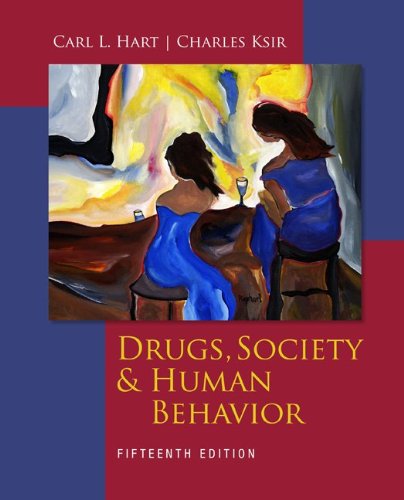
Drugs, society & human behavior Carl L. Hart, Charles Ksir.
Detalles de publicación: New York, NY McGraw-Hill c2013.Edición: 15th edDescripción: xx, 471 p. col. ill. 24 cmISBN:- 9780073529745 (alk. paper)
- Drugs, society, and human behavior
- 362.29 23
- RM316 .H37 2013
| Imagen de cubierta | Tipo de ítem | Biblioteca actual | Biblioteca de origen | Colección | Ubicación en estantería | Signatura topográfica | Materiales especificados | Info Vol | URL | Copia número | Estado | Notas | Fecha de vencimiento | Código de barras | Reserva de ítems | Prioridad de la cola de reserva de ejemplar | Reservas para cursos | |
|---|---|---|---|---|---|---|---|---|---|---|---|---|---|---|---|---|---|---|
| Libro | Biblioteca de Mayagüez Colección General mb | RM316 .H37 2013 (Navegar estantería(Abre debajo)) | Disponible | 50000003240370 |
Total de reservas: 0
Descripciones mejoradas de Syndetics:
Drugs, Society and Human Behavior provides the latest information on drug use and its effects on society as well as on the individual. Trusted for more than 30 years by both instructors and students, this authoritative resource examines drugs and drug use from a variety of perspectives--behavioral, pharmacological, historical, social, legal, and clinical. The 15th edition includes the very latest information and statistics and many new timely topicsand issues have been added that are sure to pique students' interest and stimulate class discussion. Accompanying the text are instructor and student resources on the Online Learning Center.
Includes bibliographical references and index.
eigm 08/2013
Tabla de contenidos provista por Syndetics
- Section 1 Drug Use in Modern Society(p. 1)
- 1 Drug Use: An Overview(p. 2)
- "The Drug Problem"(p. 2)
- Talking about Drug Use(p. 2)
- How Did We Get Here?(p. 6)
- Have Things Really Changed?(p. 6)
- Drugs and Drug Use Today(p. 7)
- Extent of Drug Use(p. 7)
- Populations of Users(p. 8)
- Trends in Drug Use(p. 9)
- Correlates of Drug Use(p. 13)
- Risk and Protective Factors(p. 13)
- Race, Gender, and Level of Education(p. 15)
- Personality Variables(p. 16)
- Genetics(p. 16)
- Antecedents of Drug Use(p. 16)
- Motives for Drug Use(p. 18)
- Summary(p. 21)
- Review Questions(p. 22)
- References(p. 22)
- Check Yourself: Do Your Goals and Behaviors Match?(p. 23)
- 2 Drug Use as a Social Problem(p. 25)
- Laissez-Faire(p. 25)
- Toxicity(p. 26)
- Categories of Toxicity(p. 26)
- Drug Abuse Warning Network(p. 27)
- How Dangerous Is the Drug?(p. 29)
- Blood-Borne Diseases(p. 30)
- Substance Dependence: What Is It?(p. 32)
- Three Basic Processes(p. 33)
- Changing Views of Addiction(p. 34)
- Which Is More Important, Physical Dependence or Psychological Dependence?(p. 35)
- Broad Views of Substance Dependence(p. 37)
- Is Dependence Caused by the Substance?(p. 37)
- Is Dependence Biological?(p. 38)
- Is There an "Addictive Personality"?(p. 39)
- Is Dependence a Family Disorder?(p. 40)
- Is Substance Dependence a Disease?(p. 40)
- Crime and Violence: Does Drug Use Cause Crime?(p. 41)
- Why We Try to Regulate Drugs(p. 44)
- Summary(p. 44)
- Review Questions(p. 45)
- References(p. 45)
- Check Yourself: Are You Hooked On an Activity?(p. 46)
- Check Yourself: What's Your Risk of Drug Toxicity?(p. 47)
- 3 Drug Policy(p. 49)
- The Beginnings(p. 50)
- Reformism(p. 50)
- Issues Leading to Legislation(p. 50)
- 1906 Pure Food and Drugs Act(p. 53)
- Harrison Act of 1914(p. 54)
- Two Bureaus, Two Types of Regulation(p. 54)
- Regulation of Pharmaceuticals(p. 55)
- Purity(p. 55)
- Safety(p. 56)
- Effectiveness(p. 56)
- Marketing a New Drug(p. 57)
- Dietary Supplements(p. 59)
- Controlled Substances(p. 59)
- After the Harrison Act(p. 60)
- Narcotic Control Act of 1956(p. 62)
- Drug Abuse Control Amendments of 1965(p. 62)
- Comprehensive Drag Abuse Prevention and Control Act of 1970(p. 63)
- Anti-Drug Abuse Acts of 1986 and 1988(p. 65)
- State and Local Regulations(p. 66)
- Federal Support for Drug Screening(p. 68)
- Military and Federal Employees(p. 68)
- Transportation Workers(p. 68)
- Private Employers(p. 68)
- Public Schools(p. 69)
- Testing Methods(p. 70)
- The Impact of Drug Enforcement(p. 71)
- Budget(p. 71)
- International Programs(p. 71)
- Other Federal Agencies(p. 71)
- Other Costs(p. 71)
- Effectiveness of Control(p. 73)
- Summary(p. 73)
- Review Questions(p. 74)
- References(p. 74)
- Check Yourself: Consider the Consequences(p. 76)
- Section 2 How Drugs Work(p. 77)
- 4 The Nervous System(p. 78)
- Homeostasis(p. 78)
- Components of the Nervous System(p. 79)
- Neurons(p. 79)
- Glia(p. 80)
- Neurotransmission(p. 81)
- Action Potential(p. 81)
- The Nervous System(s)(p. 82)
- Somatic Nervous System(p. 82)
- Autonomic Nervous System(p. 83)
- Central Nervous System(p. 84)
- The Brain(p. 84)
- Chemical Pathways Implicated in Reward(p. 84)
- Structures(p. 87)
- Drugs and the Brain(p. 88)
- Life Cycle of a Neurotransmitter(p. 89)
- Examples of Drag Actions(p. 92)
- Chemical Theories of Behavior(p. 92)
- Brain Imaging Techniques(p. 93)
- Structural Imaging(p. 94)
- Functional Imaging(p. 94)
- Word of Caution(p. 95)
- Summary(p. 97)
- Review Questions(p. 97)
- References(p. 98)
- Check Yourself: What's Your Body's Natural Cycle?(p. 99)
- 5 The Actions of Drugs(p. 101)
- Sources and Names of Drugs(p. 101)
- Sources of Drugs(p. 101)
- Names of Drugs(p. 102)
- Categories of Drugs(p. 102)
- Drug Effects(p. 105)
- Nonspecific (Placebo) Effects(p. 105)
- Dose-Response Relationships(p. 106)
- Potency(p. 108)
- Time-Dependent Factors in Drug Actions(p. 108)
- Getting the Drug to the Brain(p. 110)
- A Little "Chemistry"(p. 110)
- Routes of Administration(p. 111)
- Transport in the Blood(p. 116)
- More about the Blood-Brain Barrier(p. 116)
- Mechanisms of Drug Actions(p. 117)
- Effects on All Neurons(p. 117)
- Effects on Specific Neurotransmitter Systems(p. 117)
- Drug Deactivation(p. 118)
- Mechanisms of Tolerance and Withdrawal Symptoms(p. 119)
- Summary(p. 120)
- Review Questions(p. 121)
- References(p. 121)
- Check Yourself: How Do Drugs Work?(p. 122)
- Section 3 Uppers and Downers(p. 123)
- 6 Stimulants(p. 124)
- Cocaine(p. 124)
- History(p. 124)
- Coca Wine(p. 125)
- Local Anesthesia(p. 125)
- Early Psychiatric Uses(p. 126)
- Early Legal Controls on Cocaine(p. 128)
- Forms of Cocaine(p. 129)
- Contemporary Legal Controls on Cocaine(p. 129)
- Mechanism of Action(p. 130)
- Absorption and Elimination(p. 131)
- Beneficial Uses(p. 132)
- Causes for Concern(p. 132)
- Supplies of Illicit Cocaine(p. 133)
- Current Patterns of Cocaine Use(p. 134)
- Cocaine's Future(p. 134)
- Amphetamines(p. 135)
- History(p. 135)
- Basic Pharmacology(p. 138)
- Beneficial Uses(p. 140)
- Causes for Concern(p. 144)
- Summary(p. 145)
- Review Questions(p. 145)
- References(p. 146)
- 7 Depressants and Inhalants(p. 147)
- History and Pharmacology(p. 148)
- Before Barbiturates(p. 148)
- Barbiturates(p. 148)
- Meprobamate(p. 150)
- Methaqualone(p. 150)
- Benzodiazepines(p. 151)
- Nonbenzodiazepine Hypnotics(p. 152)
- Mechanism of Action(p. 153)
- Beneficial Uses(p. 153)
- Anxiolytics(p. 153)
- As Sleeping Pills(p. 155)
- As Anticonvulsants(p. 156)
- Causes for Concern(p. 157)
- Dependence Liability(p. 157)
- Toxicity(p. 158)
- Patterns of Abuse(p. 159)
- Inhalants(p. 160)
- Gaseous Anesthetics(p. 160)
- Nitrites(p. 161)
- Volatile Solvents(p. 161)
- GHB (Gamma Hydroxybutyric Acid)(p. 162)
- Summary(p. 164)
- Review Questions(p. 164)
- References(p. 164)
- 8 Medication for Mental Disorders(p. 165)
- Mental Disorders(p. 165)
- The Medical Model(p. 165)
- Classification of Mental Disorders(p. 166)
- Treatment of Mental Disorders(p. 169)
- Before 1950(p. 169)
- Antipsychotics(p. 171)
- Atypical Antipsychotic Drugs(p. 171)
- Antidepressants(p. 174)
- Electroconvulsive Therapy(p. 178)
- Mood Stabilizers(p. 178)
- Consequences of Drug Treatments for Mental Illness(p. 180)
- Summary(p. 181)
- Review Questions(p. 182)
- References(p. 182)
- Check Yourself: Track Your Daily Mood Changes(p. 183)
- Section 4 Alcohol(p. 185)
- 9 Alcohol(p. 186)
- Alcoholic Beverages(p. 186)
- Fermentation and Fermentation Products(p. 186)
- Distilled Products(p. 187)
- Beer(p. 188)
- Wine(p. 190)
- Distilled Spirits(p. 191)
- Alcohol Use and "The Alcohol Problem"(p. 192)
- The Temperance Movement in America(p. 192)
- Prohibition(p. 193)
- Prohibition Worked!(p. 195)
- Prohibition Is Repealed(p. 195)
- Regulation after 1933(p. 196)
- Taxation(p. 196)
- Who Drinks? And Why?(p. 196)
- Cultural Influences on Drinking(p. 196)
- Trends in U.S. Alcohol Consumption(p. 197)
- Regional Differences in the United States(p. 198)
- Gender Differences(p. 198)
- Drinking among College Students(p. 199)
- Alcohol Pharmacology(p. 200)
- Absorption(p. 200)
- Distribution(p. 200)
- Metabolism(p. 202)
- Mechanism(s) of Action(p. 203)
- Behavioral Effects(p. 203)
- Time-out(p. 205)
- Driving under the Influence(p. 206)
- Sexual Behavior(p. 207)
- Blackouts(p. 209)
- Crime and Violence(p. 209)
- Physiological Effects(p. 210)
- Alcohol Toxicity(p. 210)
- Hangover(p. 211)
- Chronic Disease States(p. 212)
- Brain Damage(p. 212)
- Liver Disorders(p. 213)
- Heart Disease(p. 213)
- Cancer(p. 214)
- The Immune System(p. 214)
- Fetal Alcohol Syndrome(p. 215)
- Alcohol Dependence(p. 216)
- Withdrawal Syndrome(p. 216)
- Dependent Behaviors(p. 218)
- Summary(p. 220)
- Review Questions(p. 221)
- References,(p. 222)
- Check Yourself: Do You Have a Drinking Problem?(p. 223)
- Section 5 Familiar Drags(p. 225)
- 10 Tobacco(p. 226)
- Tobacco History(p. 226)
- Early Medical Uses(p. 227)
- The Spread of Tobacco Use(p. 228)
- Snuff(p. 229)
- Tobacco in Early America(p. 229)
- Chewing Tobacco(p. 229)
- Cigars(p. 230)
- Cigarettes(p. 230)
- Tobacco under Attack(p. 231)
- The Quest for "Safer" Cigarettes(p. 232)
- Electronic Cigarettes(p. 234)
- Cigarettes and the FDA(p. 235)
- Current Cigarette Use(p. 235)
- Smokeless Tobacco(p. 236)
- Are Cigars Back?(p. 237)
- Hookahs(p. 237)
- Causes for Concern(p. 238)
- Adverse Health Effects(p. 238)
- Secondhand Smoke(p. 239)
- Smoking and Health in Other Countries(p. 239)
- Smoking and Pregnancy(p. 239)
- Pharmacology of Nicotine(p. 241)
- Absorption and Metabolism(p. 241)
- Physiological Effects(p. 242)
- Behavioral Effects(p. 243)
- Nicotine Dependence(p. 243)
- How to Stop Smoking(p. 244)
- Summary(p. 246)
- Review Questions(p. 246)
- References(p. 246)
- Check Yourself: Test Your Tobacco Awareness(p. 248)
- 11 Caffeine(p. 249)
- Caffeine: The World's Most Common Psychostimulant(p. 249)
- Coffee(p. 249)
- Tea(p. 253)
- Chocolate(p. 255)
- Other Sources of Caffeine(p. 257)
- Soft Drinks(p. 257)
- "Energy" Drinks(p. 259)
- Over-the-Counter Drugs(p. 260)
- Caffeine Pharmacology(p. 261)
- Time Course(p. 261)
- Mechanism of Action(p. 261)
- Physiological Effects(p. 262)
- Behavioral Effects(p. 264)
- Causes for Concern(p. 265)
- Cancer(p. 265)
- Reproductive Effects(p. 265)
- Heart Disease(p. 265)
- Caffeinism(p. 266)
- Summary(p. 266)
- Review Questions(p. 266)
- References(p. 267)
- Check Yourself: How Much Caffeine Do You Consume?(p. 268)
- 12 Dietary Supplements and Over-the-Counter Drugs(p. 269)
- Dietary Supplements(p. 269)
- Some Psychoactive Dietary Supplements(p. 274)
- Saint John's Wort(p. 274)
- SAMe(p. 274)
- Ginkgo Biloba(p. 275)
- Weight-Control Products(p. 276)
- Over-the-Counter Drugs(p. 276)
- FDA Regulation of OTC Products(p. 277)
- Simplifying Labels(p. 278)
- Over-the-Counter versus Prescription Drugs(p. 278)
- Behind-the-Counter Drags?(p. 278)
- Some Psychoactive OTC Products(p. 279)
- Stimulants(p. 279)
- Weight-Control Products(p. 279)
- Sedatives and Sleep Aids(p. 280)
- Analgesics(p. 281)
- People and Pain(p. 281)
- Aspirin(p. 282)
- Acetaminophen(p. 285)
- Ibuprofen and Other NSATDs(p. 286)
- Cold and Allergy Products(p. 286)
- The AU-Too-Common Cold(p. 286)
- Treatment of Cold Symptoms(p. 288)
- Allergy and Sinus Medications(p. 290)
- Choosing an OTC Product(p. 290)
- Summary(p. 291)
- Review Questions(p. 291)
- References(p. 292)
- Check Yourself: Can You Guess What These OTC Products Are Used For?(p. 293)
- Section 6 Restricted Drugs(p. 295)
- 13 Opioids(p. 296)
- History of Opioids(p. 297)
- Opium(p. 297)
- Morphine(p. 300)
- Heroin(p. 301)
- Opioid Abuse before the Harrison Act(p. 302)
- Abuse after the Harrison Act(p. 303)
- Abuse of Prescription Opioids(p. 307)
- Pharmacology of Opioids(p. 308)
- Chemical Characteristics(p. 308)
- Mechanism of Action(p. 309)
- Beneficial Uses(p. 311)
- Pain Relief(p. 311)
- Intestinal Disorders(p. 311)
- Cough Suppressants(p. 311)
- Causes for Concern(p. 311)
- Dependence Potential(p. 311)
- Toxicity Potential(p. 313)
- Patterns of Abuse(p. 314)
- Summary(p. 316)
- Review Questions(p. 316)
- References(p. 316)
- Check Yourself: Street Slang(p. 318)
- 14 Hallucinogens(p. 319)
- Animism and Religion(p. 319)
- Terminology and Types(p. 320)
- Phantastjca(p. 320)
- Indole Hallucinogens(p. 320)
- Catechol Hallucinogens(p. 331)
- Deliriants(p. 336)
- PCP(p. 336)
- Anticholinergic Hallucinogens(p. 338)
- Amanita Muscaria(p. 341)
- Salvia Divinorum(p. 342)
- Summary(p. 342)
- Review Questions(p. 343)
- References(p. 343)
- Check Yourself: Hallucinogens from Plants(p. 345)
- 15 Marijuana(p. 347)
- Cannabis, the Plant(p. 347)
- Preparations from Cannabis(p. 348)
- History(p. 350)
- Early History(p. 350)
- Building the Case Against Marijuana(p. 350)
- The Marijuana Tax Act of 1937(p. 352)
- After the Marijuana Tax Act(p. 352)
- Pharmacology(p. 353)
- Cannabinoid Chemicals(p. 353)
- Absorption, Distribution, and Elimination(p. 353)
- Mechanism of Action(p. 354)
- Physiological Effects(p. 355)
- Behavioral Effects(p. 356)
- Medical Uses of Cannabis(p. 358)
- Causes for Concern(p. 361)
- Abuse and Dependence(p. 361)
- Toxicity Potential(p. 362)
- Marijuana and American Society(p. 364)
- Summary(p. 366)
- Review Questions(p. 367)
- References(p. 367)
- Check Yourself: Short-term Memory(p. 369)
- 16 Performance-Enhancing Drugs(p. 371)
- Historical Use of Drugs in Athletics(p. 372)
- Ancient Times(p. 372)
- Early Use of Stimulants(p. 372)
- Amphetamines(p. 373)
- International Drug Testing(p. 374)
- American Football(p. 374)
- Steroids(p. 375)
- The BALCO Scandal(p. 375)
- The Battle over Testing(p. 376)
- Stimulants as Performance Enhancers(p. 377)
- Steroids(p. 380)
- Psychological Effects of Steroids(p. 381)
- Adverse Effects on the Body(p. 381)
- Regulation(p. 381)
- Other Hormonal Manipulations(p. 383)
- Beta-2 Agonists(p. 383)
- Creatine(p. 384)
- Getting "Cut"(p. 384)
- Summary(p. 385)
- Review Questions(p. 385)
- References(p. 385)
- Check Yourself: How Would You Run the Race?(p. 387)
- Section 7 Prevention and Treatment(p. 389)
- 17 Preventing Substance Abuse(p. 390)
- Defining Goals and Evaluating Outcomes(p. 390)
- Types of Prevention(p. 391)
- Prevention Programs in the Schools(p. 392)
- The Knowledge-Attitudes-Behavior Model(p. 392)
- Affective Education(p. 394)
- Antidrug Norms(p. 395)
- Development of the Social Influence Model(p. 397)
- DARE(p. 399)
- Programs That Work(p. 400)
- Peers, Parents, and the Community(p. 401)
- Peer Programs(p. 401)
- Parent and Family Programs(p. 401)
- Community Programs(p. 402)
- Prevention in the Workplace(p. 404)
- What Should We Be Doing?(p. 405)
- Summary(p. 405)
- Review Questions(p. 406)
- References(p. 406)
- Check Yourself: Do Your Goals and Behaviors Match?(p. 408)
- 18 Treating Substance Use Disorders(p. 409)
- Behavioral/ Psychosocial Treatments(p. 409)
- Defining Treatment Goals(p. 410)
- Alcoholics Anonymous and Others(p. 410)
- Motivational Enhancement Therapy(p. 411)
- Contingency Management(p. 413)
- Cognitive-Behavioral Therapy(p. 414)
- Pharmacotherapies (Medication Treatments)(p. 414)
- Detoxification and Maintenance Phase(p. 415)
- Alcohol(p. 416)
- Nicotine(p. 417)
- Opioids(p. 419)
- Cocaine(p. 420)
- Cannabis(p. 420)
- Treatment: The Big Picture in the United States(p. 422)
- Is Treatment Effective?(p. 422)
- Summary(p. 423)
- Review Questions(p. 424)
- References(p. 424)
- Appendix A Drug Names(p. 427)
- Appendix B Resources for Information and Assistance(p. 433)
- Glossary(p. 435)
- Credits(p. 447)
- Index(p. 449)