
| Imagen de cubierta | Tipo de ítem | Biblioteca actual | Biblioteca de origen | Colección | Ubicación en estantería | Signatura topográfica | Materiales especificados | Info Vol | URL | Copia número | Estado | Notas | Fecha de vencimiento | Código de barras | Reserva de ítems | Prioridad de la cola de reserva de ejemplar | Reservas para cursos | |
|---|---|---|---|---|---|---|---|---|---|---|---|---|---|---|---|---|---|---|
| Referencia | Biblioteca Encarnación Valdés Sala de Referencia bev | 614.17 B9671f3 (Navegar estantería(Abre debajo)) | Disponible | 80000002467168 |
Descripciones mejoradas de Syndetics:
Provides basic information on successfully collecting, processing, analyzing, and describing skeletal human remains.
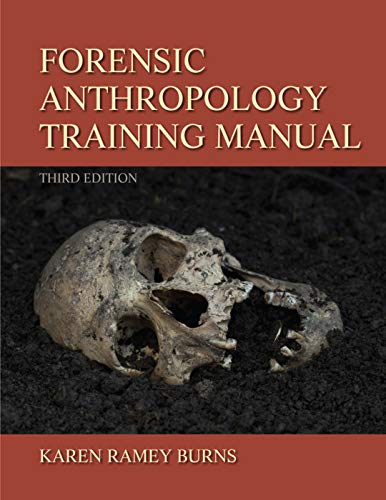
Forensic Anthropology Training Manualserves as a practical reference tool and a framework for training in forensic anthropology.
The first chapter informs judges, attorneys, law enforcement personnel, and international workers of the information and services available from a professional forensic anthropologist. The first section (Chapters 2-11) is a training guide to assist in the study of human skeletal anatomy. The second section (Chapters 12-17) focuses on the specific work of the forensic anthropologist, beginning with an introduction to the forensic sciences.
Learning Goals
Upon completing this book readers will be able to: Have a strong foundation in human skeletal anatomy Explain how this knowledge contributes to the physical description and personal identification of human remains Understand the basics of excavating a grave, preparing a forensic report, and presenting expert witness testimony in a court of law Define forensic anthropology within the broader context of the forensic sciences Describe the work of today's forensic anthropologistsIncludes bibliographical references and index.
Tabla de contenidos provista por Syndetics
- Found in this section:
- 1 Brief Table of Contents
- 2 Full Table of Contents
- 1 Brief Table Of Contents
- Chapter 1 Introduction
- Chapter 2 Human Osteology
- Chapter 3 Human Odontology
- Chapter 4 Laboratory Analysis
- Chapter 5 Field Methods
- Chapter 6 Professional Results
- Chapter 7 Human Rights Applications
- Glossary
- Bibliographies
- Appendix A Skeletal Biology, Forensic Anthropology and Criminalists
- Appendix B Human Rights Applications
- 2 Full Table Of Contents
- Chapter 1 Introduction
- The Basic Problem--The "Disappeared"
- Physical Evidence
- Death Investigation Specialists
- Forensic Anthropology
- Chapter 2 Human Osteology
- Introduction
- Skull
- Shoulder
- Chest
- Backbone
- Arm
- Hand
- Hip
- Leg
- Foot
- Chapter 3 Human Odontology
- Introduction
- Tooth Recognition
- Dental Aging
- Dentistry Terms
- Oral Disease
- Chapter 4 Laboratory Analysis
- Introduction
- Preparation
- Skeletal Analysis
- Review of Analysis
- Basics of Human Identification
- Chapter 5 Field Methods
- Introduction
- Preparation
- Burial Location and Scene Investigation
- The Excavation and Exhumation
- Evidence Management
- Quality Check
- Questionnaire for Families of the Missing
- Chapter 6 Professional Results
- Record Keeping
- Report Writing
- Basic Ethics; Courtroom Testimony
- Chapter 7 Human Rights Applications
- The Role of the Scientist
- Participants in International Mission
- Planning Scientific Missions
- Types of Missions
- Results of Human Rights Missions
- The Future
- Glossary
- Bibliographies
- Appendix A Skeletal Biology, Forensic Anthropology and Criminalists
- Appendix B Human Rights Applications
Notas de autor provistas por Syndetics
Dr. Karen Ramey Burns is a consulting forensic anthropologist specializing in human identification from bones. Based at the University of Georgia, Dr. Burns has worked at crime scenes, mass murder sites, cemeteries, and disaster scenes on five continents. She resides in Athens, Georgia.(Bowker Author Biography)