Imagen de Amazon.com

Portada de Syndetics
Imagen de OpenLibrary
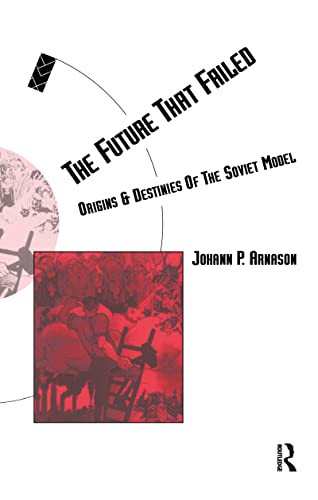
The future that failed origins and destinies of the Soviet model Johann P. Arnason.
Series Routledge social futures seriesDetalles de publicación: London New York Routledge 1993.Descripción: x, 239 pISBN:- 0415062268
- 0415062276 (pbk.)
- 321.9/2/0947 20
- HX313 .A783 1993
| Imagen de cubierta | Tipo de ítem | Biblioteca actual | Biblioteca de origen | Colección | Ubicación en estantería | Signatura topográfica | Materiales especificados | Info Vol | URL | Copia número | Estado | Notas | Fecha de vencimiento | Código de barras | Reserva de ítems | Prioridad de la cola de reserva de ejemplar | Reservas para cursos | |
|---|---|---|---|---|---|---|---|---|---|---|---|---|---|---|---|---|---|---|
| Libro | Biblioteca Encarnación Valdés Colección General bev | 321.920947 A743f (Navegar estantería(Abre debajo)) | Disponible | 80000001876062 |
Total de reservas: 0
Descripciones mejoradas de Syndetics:
This outstanding book deals with the Soviet model as a distinctive pattern of modernity. Its historical background and its institutional structure are thoroughly examined as are its implications for understanding Modernity. The book challenges many of the simple assumptions and judgements made about the Soviet road. It is essential reading for students of Political Science, Sociology and Soviet History
Includes bibliographical references (p. [222]-227) and index.