Imagen de Amazon.com

Portada de Syndetics
Imagen de OpenLibrary
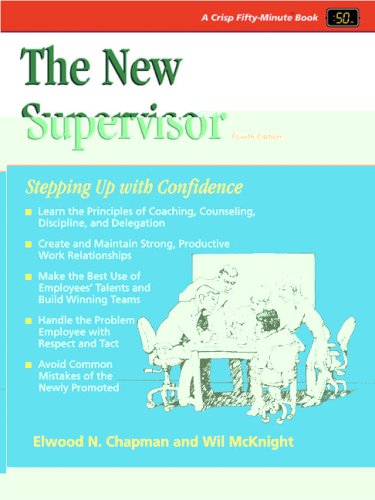
The new supervisor stepping up with confidence Elwood N. Chapman and Wil McKnight.
Series Fifty-minute seriesDetalles de publicación: Menlo Park, CA Crisp Publications c2003.Edición: 4th edDescripción: viii, 112 p. ill. 25 cmISBN:- 1560526688
- 658.3/02 22
- HF5549.12 .C438 2003
| Imagen de cubierta | Tipo de ítem | Biblioteca actual | Biblioteca de origen | Colección | Ubicación en estantería | Signatura topográfica | Materiales especificados | Info Vol | URL | Copia número | Estado | Notas | Fecha de vencimiento | Código de barras | Reserva de ítems | Prioridad de la cola de reserva de ejemplar | Reservas para cursos | |
|---|---|---|---|---|---|---|---|---|---|---|---|---|---|---|---|---|---|---|
| Libro | Biblioteca Encarnación Valdés Colección General bev | 658.302 C4661n4 (Navegar estantería(Abre debajo)) | Disponible | 80000002209297 |
Total de reservas: 0
Descripciones mejoradas de Syndetics:
Supervising others is a special challenge many people are called to do in their professional careers. The New Supervisor prepares those meeting this new leadership responsibility to gain confidence and project the right attitude from Day One. A best-seller for many years, The New Supervisor has been newly revised by Wil McKnight to include updated examples and an added focus on productivity and getting results.
Includes bibliographical references (p. 108-109).
Tabla de contenidos provista por Syndetics
- Part 1 Meeting the Challenge
- Anticipating the Challenge Ahead Getting Started: Copy a Model Supervisor
- Communicating Through Your Attitude
- Your Attitude About Quality
- Your Attitude About Productivity
- Your Attitude About Safety
- Reflecting on Self-Confidence
- Taking Charge Presenting a Strong, Effective Image
- Getting Yourself and Your Staff Organized Staying Up-to-Date in Your Planning
- Turning Ideas and Plans into Results
- Key Points from Part 1
- Part 2 Fitting Four Fundamentals into Your Style
- Becoming an Effective Supervisor Is Like Playing Baseball
- First Base: Establishing Your Authority by Setting Reasonable
- Standards and Limits Making the Transition to Your Supervisory Style
- Letting Go of "Business as Usual" Establishing Discipline
- Second Base: Getting Results Through Your Staff
- Earning Your Staff's Respect--and Keeping It Learning How to Delegate
- Third Base: Becoming an Effective Coach and Counselor Viewing Yourself as a Coach
- Using Counseling Effectively Forging
- Effective Relationships with Your Staff
- Make It Home by Becoming a Confident and Respected Leader
- Leading Your Staff to New Heights Building
- Winning Teams Setting Goals for Quality, Productivity, and Safety Helping
- Staff Members to Motivate Themselves Key Points from Part 2
- Part 3 Dealing with Special Situations
- Staying Positive and Overcoming the Blahs Being Alert to Troublesome
- Habits Seven Unforgivable "Killer" Mistakes Supervising People
- Who Used to Be Peers Handling Possible Resentment
- Developing Your People Skills Solving Problems
- Identifying the Problem Employee Dealing with a Problem
- Employee Handling Conflict Among Staff Members
- Working with Other Departments and Work Groups Keeping Your Supervisor
- Happy Resolving Mistakes Getting a First-Rate
- Staff and Keeping It Pulling Together Looking Ahead: Continuing Your Supervisory
- Training Key Points from Part 3
- Appendix Action Ideas Action Plan Author's Comments on Case Studies Additional Reading