Imagen de Amazon.com

Portada de Syndetics
Imagen de OpenLibrary
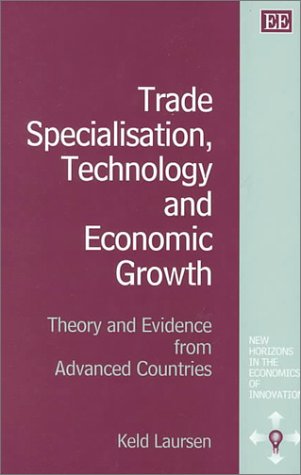
Trade specialisation technology and economic growth theory and evidence from advanced countries Laursen Keld.
Detalles de publicación: MA Edward Elgar Publishing 2000.Descripción: ix, 199 p. 22 cmISBN:- 1840643854
- 338.9 L387t 2000
- HC79 .T4 L375 2000
| Imagen de cubierta | Tipo de ítem | Biblioteca actual | Biblioteca de origen | Colección | Ubicación en estantería | Signatura topográfica | Materiales especificados | Info Vol | URL | Copia número | Estado | Notas | Fecha de vencimiento | Código de barras | Reserva de ítems | Prioridad de la cola de reserva de ejemplar | Reservas para cursos | |
|---|---|---|---|---|---|---|---|---|---|---|---|---|---|---|---|---|---|---|
| Libro | Biblioteca de Mayagüez Colección General mb | HC79 .T4 L375 2000 (Navegar estantería(Abre debajo)) | Disponible | 50000002129749 |
Total de reservas: 0
Descripciones mejoradas de Syndetics:
How does Ricardian specialisation affect economic development in relatively advanced countries? Keld Laursen, inspired by the myriad newly-emergent neoclassical/new industrial economics contributions, makes a detailed study of the role of specialisation and structural change in advanced economies. Until now, these theoretical contributions have not been subjected to a systematic empirical investigation.
The three key questions are:
Do countries converge or diverge in terms of their specialisation patterns over time? Can the role of technology explain the direction of national trade specialisation? What are the implications of international specialisation patterns (and their changes) for economic growth?This study will be of immense interest to postgraduates and researchers working on theories and practices of innovation, trade, and growth.
Includes bibliographical references (181-192) and index.