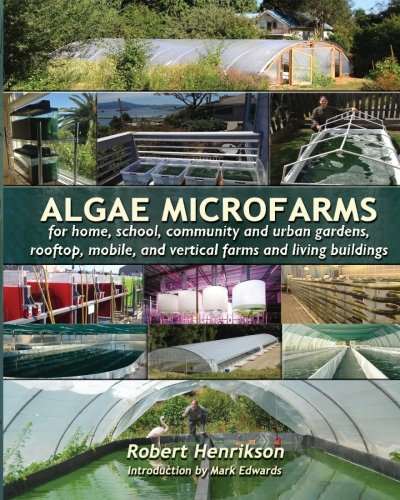

Algae microfarms for home, school, community and urban gardens, rooftop, mobile, and vertical farms and living buildings.
Idioma: Inglés Detalles de publicación: Richmond, CA Ronore Enterprises, Inc. 2013.Descripción: 147 p. ill. 26 cmISBN:- 9781483968261
- 333.95
- TP248.27.A46 2013
| Imagen de cubierta | Tipo de ítem | Biblioteca actual | Biblioteca de origen | Colección | Ubicación en estantería | Signatura topográfica | Materiales especificados | Info Vol | URL | Copia número | Estado | Notas | Fecha de vencimiento | Código de barras | Reserva de ítems | Prioridad de la cola de reserva de ejemplar | Reservas para cursos | |
|---|---|---|---|---|---|---|---|---|---|---|---|---|---|---|---|---|---|---|
| Libro | CARIBET Biblioteca Arquitectura Colección General CARIBET | TP248.27.A46 2013 (Navegar estantería(Abre debajo)) | Disponible | 91000000043372 |
Descripciones mejoradas de Syndetics:
How algae microfarms can help transform our food culture by growing abundant healthy food in a very small area and extend the growing season, affordably and profitably. Algae are 20 times more productive than conventional food and are well known as nutrient dense superfoods with valuable health and medical benefits. Over the past 30 years, large farms have grown algae for food, feed and fuel for thousands of useful products. Now an era of microfarms is emerging. Algae microfarms can empower people to grow healthy food in their own community for food security and self-sufficiency.Robert Henrikson founded one of the world's first and largest algae farms 35 years ago. Now the time has come to introduce the algae microfarmers who are growing algae for healthy foods in their local communities.
Includes references and authors biographies.
How algae microfarms can help transform our food culture by growing abundant healthy food in a very small area, extend the growing season, affordably and profitably.