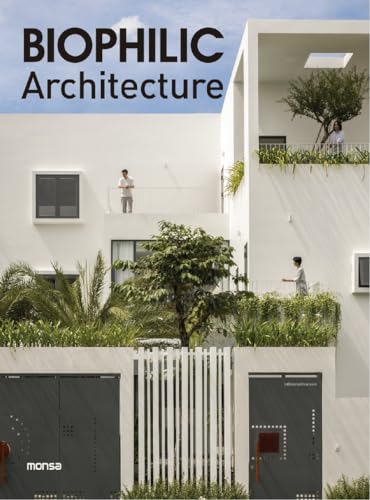

Biophilic architecture. / txt
Sant Adrỉ de Bes̤s, Barcelona Spain : Monsa, 2023Edición: First editionDescripción: 141 pages : illustrations ; color ; plans ; 24 cmTipo de contenido:- text
- still image
- unmediaded
- volume
- 9788417557683
- 8417557687
- NA7434.V5 B56 2023
| Imagen de cubierta | Tipo de ítem | Biblioteca actual | Biblioteca de origen | Colección | Ubicación en estantería | Signatura topográfica | Materiales especificados | Info Vol | URL | Copia número | Estado | Notas | Fecha de vencimiento | Código de barras | Reserva de ítems | Prioridad de la cola de reserva de ejemplar | Reservas para cursos | |
|---|---|---|---|---|---|---|---|---|---|---|---|---|---|---|---|---|---|---|
| Libro Col. General CARIBET | CARIBET Biblioteca Arquitectura Colección General CARIBET | General NA7434.V5 B56 2023 (Navegar estantería(Abre debajo)) | 1 | Disponible | 91000000754929 |
Descripciones mejoradas de Syndetics:
Biophilic architecture integrates nature into spaces and buildings to improve people' s health and well-being. It is based on the idea that humans are innately connected with nature and that exposure to natural elements, such as sunlight, water, and plants, can positively impact our physical and mental health and, thus, our social well-being. Biophilic architecture can be applied in various environments, from office buildings to homes and public spaces. Some common characteristics of biophilic architecture include the incorporation of natural light and ventilation, the presence of green areas, and the use of natural materials such as wood and stone. In addition to improving health and providing comfort, biophilic architecture also has environmental benefits by reducing the carbon footprint and promoting sustainable practices.
Villa City 10 --
The Umbrella 24 --
Chaleta_A 34 --
Nhá Chong Mái 44 --
Uncle Tu’s House 58 --
Fahouse 64 --
House with Blue Bridge 72 --
Phu Yen House 80 --
Casa Jardin Escandón 90 --
Salem House 100 --
Villa Connect 110 --
House of Nghi Thu 124 --
Mev 134 --
Biophilic architecture integrates nature into spaces and buildings to improve people's health and well-being. It is based on the idea that humans are innately connected with nature and that exposure to natural elements, such as sunlight, water, and plants, can positively impact our physical and mental health and, thus, our social well-being. Biophilic architecture can be applied in various environments, from office buildings to homes and public spaces. Some common characteristics of biophilic architecture include: - The incorporation of natural light - The integrated ventilation - The presence of green areas - The use of raw materials such as wood and stone. In addition to improving health and providing comfort, biophilic architecture also has environmental benefits by reducing the carbon footprint and promoting sustainable practices.
Texts in English and Spanish.
Tabla de contenidos provista por Syndetics
- Villa City(10)
- The Umbrella(24)
- Chalet_a(34)
- Nhà Chong Mái(44)
- Uncle Tu's House(58)
- Fahouse(64)
- House with Blue Bridge(72)
- Phu Yen House(80)
- Casa Jardin Escandón(90)
- Salem House(100)
- Villa Connect(110)
- House of Nghi Thu(124)
- Mev(134)