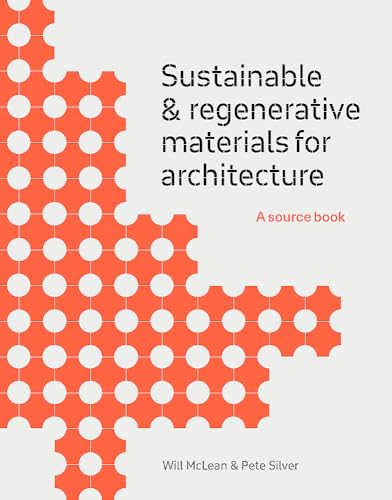

Sustainable and regenerative materials for architecture : a sourcebook. / txt
London : Laurence King, an imprint of Quercus Editions Ltd, 2025Descripción: 192 pages : ill. ; col. ; 23 cmTipo de contenido:- text
- unmediaded
- volume
- 9781529433272
- 1529433274
- Sustainable & regenerative materials for architecture : a source book. / txt
- TA403.6 M35 2025
| Imagen de cubierta | Tipo de ítem | Biblioteca actual | Biblioteca de origen | Colección | Ubicación en estantería | Signatura topográfica | Materiales especificados | Info Vol | URL | Copia número | Estado | Notas | Fecha de vencimiento | Código de barras | Reserva de ítems | Prioridad de la cola de reserva de ejemplar | Reservas para cursos | |
|---|---|---|---|---|---|---|---|---|---|---|---|---|---|---|---|---|---|---|
| Libro Col. General CARIBET | CARIBET Biblioteca Arquitectura Colección General CARIBET | General TA403.6 M35 2025 (Navegar estantería(Abre debajo)) | 1 | Disponible | 91000000751610 |
Descripciones mejoradas de Syndetics:
Architects! Lead the change in responsible and creative material use.
There is a creative explosion of work taking place in architecture and design schools exploring materials such as mycelium, clay/earth, engineered timber, bio-based plastics and algae. This handbook of low- and no-carbon materials for architects and designers focuses on sustainable materials, their sourcing, technical properties and the processes required for their use in architecture.
The book showcases new and rediscovered processes for material fabrication, responsible sourcing and creative material design. Material properties (structural, thermal, fire, health and life safety) are described and case studies from around the world illustrate the inventive ways in which these materials have been deployed in the built environment. The book is designed as an introduction to the exciting and rapidly changing world of construction materials.
With a better understanding of the social, environmental and economic sustainability of any given material - alongside its technical properties - students of architecture can lead the change in responsible and creative material use.
CONTENTS
1 Materials overview
2 Extractive materials:
earth and clay
concrete
stone
metals
glass
3 Grown materials:
timber and cork
paper
hemp
bamboo
seaweed
mycelium
algae
biopolymers
wool
Includes bibliographical references and index.
Foreword 7 --
Introduction 8 --
CHAPTER ONE --
Material Overview 13 --
A brief history of construction materials 14 --
Technology transfer and learning from other industries 18 --
Carbon (ac)counting 21 --
A circular economy : reduce , reuse , recycle and repeat 24 --
CHAPTER TWO --
Extractive Materials 27 --
2.1 Earth and Clay 30 --
2.2 Concrete 50 --
2.3 Stone 82 --
2.4 Metals 86 --
2.5 Glass 98 --
2.6 Sand 110 --
CHAPTER THREE --
Grown Materials 115 --
3.1 Timber and Cork 118 --
3.2 Paper 138 --
3.3 Hemp , Bamboo , Grasses and Palm 150 --
3.4 Seaweed 168 --
3.5 Mycelium 172 --
3.6 Algae 180 --
3.7 Biopolymers and Recycled Polymers 186 --
3.8 Wool 194 --
3.9 Salt 198 --
Endnotes 202 --
Bibliography 202 --
Glossary 203 --
Index 205 --
Credits and Acknowledgements 208 --
Architects! Lead the change in responsible and creative material use. There is a creative explosion of work taking place in architecture and design schools exploring materials such as mycelium, clay/earth, engineered timber, bio-based plastics and algae. This handbook of low- and no-carbon materials for architects and designers focuses on sustainable materials, their sourcing, technical properties and the processes required for their use in architecture. The book showcases new and rediscovered processes for material fabrication, responsible sourcing and creative material design. Material properties (structural, thermal, fire, health and life safety) are described and case studies from around the world illustrate the inventive ways in which these materials have been deployed in the built environment. The book is designed as an introduction to the exciting and rapidly changing world of construction materials.With a better understanding of the social, environmental and economic sustainability of any given material - alongside its technical properties - students of architecture can lead the change in responsible and creative material use. CONTENTS 1 Materials overview 2 Extractive materials: earth and clay concrete stone metals glass 3 Grown materials: timber and cork paper hemp bamboo seaweed mycelium algae biopolymers wool
Tabla de contenidos provista por Syndetics
- Foreword(07)
- Introduction(08)
- Chapter 1 Materials Overview(13)
- A brief history of construction materials(14)
- Technology transfer and learning from other industries(18)
- Carbon (ac)counting(21)
- A circular economy: reduce, reuse, recycle and repeat(24)
- Chapter 2 Extractive Materials(27)
- 2.1 Earth & Clay(30)
- 2.2 Concrete(50)
- 2.3 Stone(82)
- 2.4 Metals(86)
- 2.5 Glass(98)
- 2.6 Sand(110)
- Chapter 3 Grown Materials(115)
- 3.1 Timber & Cork(118)
- 3.2 Paper(138)
- 3.3 Hemp, Bamboo, Grasses & Palm(150)
- 3.4 Seaweed(168)
- 3.5 Mycelium(172)
- 3.6 Algae(180)
- 3.7 Biopolymers & Recycled Polymers(186)
- 3.8 Wool(194)
- 3.9 Salt(198)
- Endnotes(202)
- Bibliography(202)
- Glossary(203)
- Index(205)
- Credits & Acknowledgements(208)