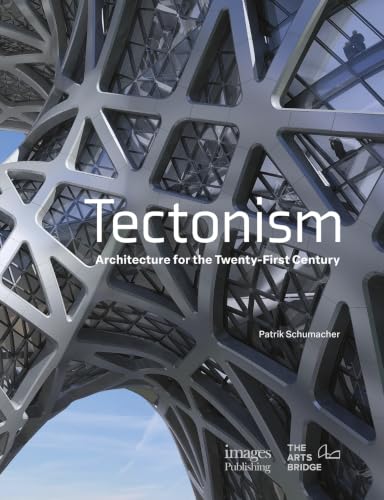

Tectonism : architecture for the 21st century. / Patrik Schumacher. txt
Editor: Chadstone, Victoria ; New York City, NY : The Images Publishing Group, 2023Descripción: 175 p. : ill. ; col. ; 24 cmTipo de contenido:- text
- still image
- unmediated
- volume
- 9781864708967
- 1864708964
- NA687 S38 2023
| Imagen de cubierta | Tipo de ítem | Biblioteca actual | Biblioteca de origen | Colección | Ubicación en estantería | Signatura topográfica | Materiales especificados | Info Vol | URL | Copia número | Estado | Notas | Fecha de vencimiento | Código de barras | Reserva de ítems | Prioridad de la cola de reserva de ejemplar | Reservas para cursos | |
|---|---|---|---|---|---|---|---|---|---|---|---|---|---|---|---|---|---|---|
| Libro Col. General CARIBET | CARIBET Biblioteca Arquitectura Colección General CARIBET | General NA687 S38 2023 (Navegar estantería(Abre debajo)) | 1 | Disponible | 91000000074609 |
Descripciones mejoradas de Syndetics:
Tectonism is the most advanced and most sophisticated contemporary architectural style. There are, to date, only relatively a few fully satisfactory built examples, and most of them are still of a relatively modest scale. It is the thesis of this book that tectonism, as defined and illustrated here, represents the future of 21st century architecture. This thesis is optimistic with respect to the long-term rationality of the discipline of architecture, i.e. with respect to its capacity to discern and ascertain, via its internal discourse, the superiority of tectonism, and to spread its influence and impact as global best practice accordingly. This optimism also extends to the rationality of the wider society, as represented through private clients, public clients, and through end-user acceptance, to be susceptible to the guidance it will receive from its architectural expert discourse. This optimism is based on a critical analysis and appraisal of architectural history. The avant-garde intuitions of the early modernists in the 1920s, backed up by sound theoretical arguments, did win over the discipline in the 1930s and 1940s, and spread its real impact on the global built environment throughout the 1950s, 1960s and 1970s. The current avant-garde intuitions within the movement of tectonism, although very different from modernism, are equally well thought through as the arguments in this book will attempt to demonstrate. -- From the Introduction, by Patrik Schumacher
Preface 6 --
Introduction 8 --
Architecture's Task: The Designed Environment as Societal Ordering System 12 --
1. First Premise: Parametricism 15 --
1.1 The Indispensible Concept of Style 16 --
1.2 Parametricism Against Pluralism 20 --
1.3 Parametricism and Progress 23 --
1.4 Conceptual and Operational Definition of Parametricism 25 --
1.5 Style War: Parametricism Versus Minimalism 31 --
2. Second Premise: Computational Engineering 35 --
2.1 Collaboration and Distinction Between Architecture and Engineering 36 --
2.2 Structural Fluidity: From Typology to Topology in Structural Engineering 39 --
3. From Engineering Inspiration to Architectural Style: Tectonism 48 --
3.1 - Making Engineering Logics Speak 51 --
3.2 Accentuation and Suppression 55 --
3.3. Tectonic Articulation 60 --
4. Tectonism as Style: Expressive Utilization of Engineering Logics 66 --
4.1 Historical Precedents 69 --
4.2 Structural System Optimizations as Drivers of Tectonic Articulation 73 --
Candela Revisited 85 --
Beijing Daxing International Airport 90 --
One Thousand Museum 94 --
Morpheus Hotel & Resort at City of Dreams 98 --
Inkstone House, Cultural Centre 102 --
4.3 Environmental Engineering Logics as Drivers of Tectonic Articulation 103 --
King Abdullah Petroleum Studies & Research Centre (KAPSARC) 104 --
Central Bank of Iraq 110 --
4.4 Fabrication Methods as Drivers of Tectonic Articulation 114 --
Arum 115 --
Vaulted Willow 117 --
Zephyr 119 --
Science Museum Benches 119 --
Thallus 121 --
ACADIA 3D Printed Chair 122 --
Nagami Chairs: Rise, Bow 123 --
Striatus Bridge 124 --
Parametric Dinner Jacket 129 --
4.5 From Semiological Form-to-Function Correlations to a Systematic Visual-Spatial Language 130 --
4.6 The Progression of Styles in Terms of Order and Freedom 149 --
References 156 --
Image Credits 161 --
Project Credits 162 --
Index 172 --
Tectonism is the most advanced and most sophisticated contemporary architectural style. There are, to date, only relatively a few fully satisfactory built examples, and most of them are still of a relatively modest scale. It is the thesis of this book that tectonism, as defined and illustrated here, represents the future of 21st century architecture. This thesis is optimistic with respect to the long-term rationality of the discipline of architecture, i.e. with respect to its capacity to discern and ascertain, via its internal discourse, the superiority of tectonism, and to spread its influence and impact as global best practice accordingly. This optimism also extends to the rationality of the wider society, as represented through private clients, public clients, and through end-user acceptance, to be susceptible to the guidance it will receive from its architectural expert discourse. This optimism is based on a critical analysis and appraisal of architectural history. The avant-garde intuitions of the early modernists in the 1920s, backed up by sound theoretical arguments, did win over the discipline in the 1930s and 1940s, and spread its real impact on the global built environment throughout the 1950s, 1960s and 1970s. The current avant-garde intuitions within the movement of tectonism, although very different from modernism, are equally well thought through as the arguments in this book will attempt to demonstrate. - From the Introduction, by Patrik Schumacher
Tabla de contenidos provista por Syndetics
- Preface(6)
- Introduction(8)
- Architecture's Task: The Designed Environment as Societal Ordering System(12)
- 1 First Premise: Parametricism(15)
- 1.1 The Indispensible Concept of Style(16)
- 1.2 Parametricism Against Pluralism(20)
- 1.3 Parametricism and Progress(23)
- 1.4 Conceptual and Operational Definition of Parametricism(25)
- 1.5 Style War: Parametricism Versus Minimalism(31)
- 2 Second Premise: Computational Engineering(35)
- 2.1 Collaboration and Distinction Between Architecture and Engineering(36)
- 2.2 Structural Fluidity: From Typology to Topology in Structural Engineering(39)
- 3 From Engineering Inspiration to Architectural Style: Tectonism(48)
- 3.1 Making Engineering Logics Speak(51)
- 3.2 Accentuation and Suppression(55)
- 3.3 Tectonic Articulation(60)
- 4 Tectonism as Style: Expressive Utilization of Engineering Logics(66)
- 4.1 Historical Precedents(69)
- 4.2 Structural System Optimizations as Drivers of Tectonic Articulation(73)
- Candela Revisited(85)
- Beijing Daxing International Airport(90)
- One Thousand Museum(94)
- Morpheus Hotel & Resort at City of Dreams(98)
- Inkstone House, Cultural Centre(102)
- 4.3 Environmental Engineering Logics as Drivers of Tectonic Articulation(103)
- King Abdullah Petroleum Studies & Research Centre (KAPSARC)(104)
- Central Bank of Iraq(110)
- 4.4 Fabrication Methods as Drivers of Tectonic Articulation(114)
- Arum(115)
- Vaulted Willow(117)
- Zephyr(119)
- Science Museum Benches(119)
- Thallus(121)
- Acadia 3D Printed Chair(122)
- Nagami Chairs: Rise, Bow(123)
- Striatus Bridge(124)
- Parametric Dinner Jacket(129)
- 4.5 From Semiological Form-to-Function Correlations to a Systematic Visual-Spatial Language(130)
- 4.6 The Progression of Styles in Terms of Order and Freedom(149)
- References(156)
- Image Credits(161)
- Project Credits(162)
- Index(172)