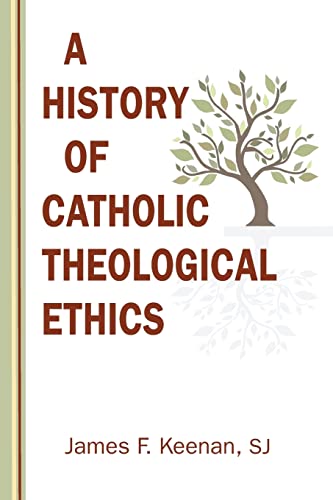

A history of Catholic theological ethics / James F. Keenan, SJ.
Editor: New York ; Mahwah : Paulist Press, [2022]Descripción: xxi, 434 pages ; 23 cmTipo de contenido:- text
- unmediated
- volume
- 9780809155446
- 241 23/eng/20211115
- BJ1249 .K3769 2022
| Imagen de cubierta | Tipo de ítem | Biblioteca actual | Biblioteca de origen | Colección | Ubicación en estantería | Signatura topográfica | Materiales especificados | Info Vol | URL | Copia número | Estado | Notas | Fecha de vencimiento | Código de barras | Reserva de ítems | Prioridad de la cola de reserva de ejemplar | Reservas para cursos | |
|---|---|---|---|---|---|---|---|---|---|---|---|---|---|---|---|---|---|---|
| Libro BET | Biblioteca Escuela de Teología Colección General BET | 241 K264 2022 (Navegar estantería(Abre debajo)) | Disponible | 41000000003260 |
Descripciones mejoradas de Syndetics:
An introduction to Catholic theological ethics through the lens of its historical development from the beginning of the church until today. Starting with the Scriptures, and in particular the New Testament, the author looks at the inspiration and foundational values and virtues that emerge from its moral instruction.
This is a comprehensive study of every period in the history of the tradition, from the early Patristic period to the history of the Penitentials and Confessionals, to the founding of religious orders and universities, the emergence of scholasticism, the birth of modern casuistry, the Council of Trent and the subsequent moral manuals, to contemporary Reformers within the Global Church.
"The task of writing a history of moral theology is daunting. James Keenan has written a superb history. The breadth and depth of this work are stunning. The narrative is clear, logically developed, and convincing. We are all in his debt."
--Charles Curran. author, Sixty Years of Moral Theology (Paulist Press, 2021)
"James F. Keenan, SJ, is among the most important Catholics in the world today writing on theological ethics. In this book, he displays his dazzling knowledge of the breadth of the Catholic tradition as it stretches from the New Testament to the present, and he combines that knowledge with compelling insights into its relevance for our times. Indispensable for the professional, the book is, despite its great learning, accessible to the general reader. I congratulate James Keenan on the landmark achievement of A History of Catholic Theological Ethics."
--John W. O'Malley, SJ, University Professor Emeritus, Georgetown University
"The inimitable James Keenan has provided us with another moral-theological tour de force--surfacing twenty centuries of theological innovation in a tradition better known for its attachments to the past. Carried by Keenan's signature themes of mercy, conscience, spirituality, and virtue, this history moves ever forward into the diversity of perspectives, emergence of women, and reverse of direction from the local to the universal, that characterize this century's global church. This far-reaching and learned work will educate, stimulate, and provoke, all in a highly readable style with existential power."
--Lisa Sowle Cahill, Donald Monan, SJ, Professor of Theology, Boston College
+
Includes bibliographical references (pages 339-419) and index.
Preface--Acknowledgments--Chapter One. Jesus in the New Testament: The Inspiration and Foundation of Catholic Theological Ethics--Preliminaries--Why Start with the New Testament?--Catholic Theological Ethics and the Bible--What about the Ten Commandments?--The New Testament?--Introduction--Paul--The Influence of Paul on the History of Catholic Theological Ethics--The Synoptic Gospels--Kingdom of God--Discipleship--Love and Mercy--Sin--The Influence of the Synoptic Gospels on the History of Catholic Theological Ethics--The Gospel of John--The Influence of John's Gospel on the History of Catholic theological Ethics--Toward a Conclusion--Chapter Two. Mercy: The Social Formation of the Early Church (Up to 500 CE)--Disciple and Neighbor--Understanding Christ and Human Body--The Virtues of Hospitality and Solidarity--The Corporal Works of Mercy--The Spiritual Works of Mercy--Turning to Emerging Ambiguities and Challenges--Celebrating the Eucharist--Readmitting Apostates by Acknowledging Sin--Sexuality--Augustine's Ethics--Interiority and the End of Ethics--The Virtues--Lying and Warring--Sexuality and Marriage--Chapter Three. Pathways to Holiness: The Fourth to the Sixteenth Century--Introduction--Taking a Different Path--Preparing for the Journey--Pathways to Moral Living and Holiness from the Fourth to Sixth Century--Confessing Sin from the Sixth to the Sixteenth Century--The Pathways to Holiness of the Twelfth and Thirteenth Centuries--The Discovery of the Self--An Odd Catholic Detour--Sexual Ethics from the Fourth to Sixteenth Century--New Pathways to Holiness in the Sixteenth Century--Desiderius Erasmus of Rotterdam (1466-1536) and Ignatius of Loyola (1491-1556)--Chapter Four. From the Twelfth to the Sixteenth Century: The Medieval Scholastic Foundations of Modern Moral Theology--Peter Abelard (1079-1142)--Heloise (1101-64)--Peter Lombard (1100-1160)--Thomas Aquinas (1224-74)--The Achievement Modernity from John Duns Scotus (1265-1308) to William of Ockham (1287-1347)--Chapter Five. Pathways to Modernity I: Casuistry--Introduction--Our Way of Proceeding--A Word about the Arc of High Casuistry--Previewing the Impact of Sixteenth-Century Casuistry: John Mair (1467-1550)--The Achievement of Sixteenth' Century High Casuistry--The Decalogue or the Ten Commandments--Probabilism--The End of the Arc of Casuistry: Francisco de Toledo (1532-96)--Some Concluding Thoughts on These Pathways--Chapter Six. Pathways to Modernity II: Confraternities and School of Salamanca--The Confraternities--Salamanca and Beyond--Francisco de Vitoria (1483-1546)--Bartolomé de las Casa, OP (1484-1566)--Chapter Seven. Reforming Moral Theology: From the Eighteenth Century to the Second Vatican Council--Alphonsus María de Liguori (1696-1787)--The Suppression and Restoration of the Society of Jesus--The Moral Manuals--European Reformers--English-Speaking Resistance to Reform--The Second Vatican Council (1962-65)--Humanae Vitae (1968) and the Collapse of Manualism--Conclusion: Learning to Think Historically--Chapter Eight. Moral Agency for a Global Theological Ethicist in Breaking Boundaries--Changing the Face of the Field--Resistance--Changing the Location of the Field of Theological Ethics--Changing the Boundaries of Catholic Theological Ethics--Recognizing Human Suffering, Descending into the Particular, and Going Global--Descent into the Particular--Latin America--Africa--Asia--North America, Particularly the United States--Cross-Cultural Discourse, Ethics in the Church, and Globalization--Epilogue--Notes--Index.
"An introduction to Catholic theological ethics through the lens of its historical development from the beginning of the church until today"--
Tabla de contenidos provista por Syndetics
- Preface(p. xi)
- Acknowledgments(p. xix)
- Chapter 1 Jesus in the New Testament: The Inspiration and Foundation of Catholic Theological Ethics(p. 1)
- I Preliminaries(p. 1)
- Why Start with the New Testament?(p. 1)
- Catholic Theological Ethics and the Bible(p. 3)
- What about the Ten Commandments?(p. 7)
- II The New Testament(p. 8)
- Introduction(p. 8)
- Paul(p. 9)
- The Influence of Paul on the History of Catholic Theological Ethics(p. 13)
- The Synoptic Gospels(p. 13)
- Kingdom of God(p. 14)
- Discipleship(p. 16)
- Love and Mercy(p. 18)
- Sin(p. 22)
- The Influence of the Synoptic Gospels on the History of Catholic Theological Ethics(p. 25)
- The Gospel of John(p. 26)
- The Influence of John's Gospel on the History of Catholic Theological Ethics(p. 31)
- III Toward a Conclusion(p. 32)
- Chapter 2 Mercy: The Social Formation of the Early Church (Up to 500 CE)(p. 35)
- I Disciple and Neighbor(p. 35)
- Understanding Christ and the Human Body(p. 36)
- The Virtues of Hospitality and Solidarity(p. 42)
- The Corporal Works of Mercy(p. 48)
- The Spiritual Works of Mercy(p. 50)
- II Turning to Emerging Ambiguities and Challenges(p. 52)
- Celebrating the Eucharist(p. 53)
- Readmitting Apostates by Acknowledging Sin(p. 56)
- Sexuality(p. 57)
- III Augustine's Ethics(p. 61)
- Interiority and the End of Ethics(p. 61)
- The Virtues(p. 64)
- Lying and Warring(p. 64)
- Sexuality and Marriage(p. 66)
- Chapter 3 Pathways to Holiness: The Fourth to the Sixteenth Century(p. 69)
- I Introduction(p. 69)
- Taking a Different Path(p. 69)
- Preparing for the Journey(p. 71)
- II Pathways to Moral Living and Holiness from the Fourth to the Sixth Century(p. 76)
- III Confessing Sin from the Sixth to the Sixteenth Century(p. 84)
- IV The Pathways to Holiness of the Twelfth and Thirteenth Centuries(p. 93)
- The Discovery of the Self(p. 93)
- V An Odd Catholic Detour(p. 102)
- Sexual Ethics from the Fourth to the Sixteenth Century(p. 102)
- VI New Pathways to Holiness in the Sixteenth Century(p. 110)
- Desiderius Erasmus of Rotterdam (1466-1536) and Ignatius of Loyola (1491-1556)(p. 110)
- Chapter 4 From the Twelfth to the Sixteenth Century: The Medieval Scholastic Foundations of Modern Moral Theology(p. 125)
- I Peter Abelard (1079-1142)(p. 127)
- II Heloise (1101-64)(p. 135)
- III Peter Lombard (1100-1160)(p. 137)
- IV Thomas Aquinas (1224-74)(p. 142)
- V The Achievement of Scholasticism(p. 161)
- VI Anticipating Modernity from John Duns Scotus (1265-1308) to William of Ockham (1287-1347)(p. 163)
- Chapter 5 Pathways to Modernity I: Casuistry(p. 167)
- I Introduction(p. 167)
- Our Way of Proceeding(p. 169)
- A Word about the Arc of High Casuistry(p. 172)
- Previewing the Impact of Sixteenth-Century Casuistry(p. 175)
- II The Start of the Arc of Casuistry: John Mair (1467-1550)(p. 180)
- III The Achievement of Sixteenth-Century High Casuistry(p. 184)
- IV The Decalogue or the Ten Commandments(p. 192)
- V Probabilism(p. 196)
- VI The End of the Arc of Casuistry: Francisco de Toledo (1532-96)(p. 199)
- VII Some Concluding Thoughts on These Pathways(p. 204)
- Chapter 6 Pathways to Modernity II: Confraternities and the School of Salamanca(p. 208)
- I The Confraternities(p. 208)
- II Salamanca and Beyond(p. 214)
- Francisco de Vitoria (1483-1546)(p. 217)
- Bartolomé de las Casas, OP (1484-1566)(p. 228)
- Chapter 7 Reforming Moral Theology: From the Eighteenth Century to the Second Vatican Council(p. 237)
- I Alphonsus Maria de Liguori (1696-1787)(p. 238)
- II The Suppression and Restoration of the Society of Jesus(p. 247)
- III The Moral Manuals(p. 252)
- IV European Reformers(p. 266)
- V English-Speaking Resistance to Reform(p. 273)
- VI The Second Vatican Council (1962-65)(p. 274)
- VII Humanae Vitae (1968) and the Collapse of Manualism(p. 280)
- VIII Conclusion: Learning to Think Historically(p. 284)
- Chapter 8 Moral Agency for a Global Theological Ethics(p. 290)
- I The Moral Agency of the Theological Ethicist in Breaking Boundaries(p. 290)
- Changing the Face of the Field(p. 291)
- Resistance(p. 295)
- Changing the Location of the Field of Theological Ethics(p. 297)
- Changing the Boundaries of Catholic Theological Ethics(p. 301)
- II Recognizing Human Suffering, Descending into the Particular, and Going Global(p. 305)
- Descent into the Particular(p. 314)
- Latin America(p. 318)
- Africa(p. 320)
- Asia(p. 327)
- North America, Particularly the United States(p. 332)
- Cross-Cultural Discourse, Ethics in the Church, and Globalization(p. 335)
- Epilogue(p. 336)
- Notes(p. 339)
- Index(p. 421)