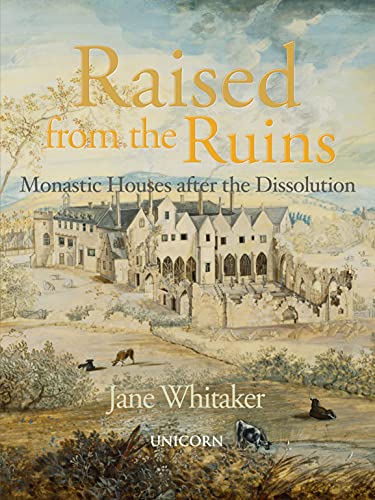

Raised from the ruins : monastic houses after the dissolution. / Jane Whitaker. book
Editor: London : Unicorn Publishing Group, 2021Descripción: 404 p. : ill. ; maps ; col. ; plans ; 25 cmTipo de contenido:- text
- still image
- cartographic image
- unmediated
- volume
- 1913491919
- 9781913491918
- 23 726.70286
- NA4850 W45 2021
| Imagen de cubierta | Tipo de ítem | Biblioteca actual | Biblioteca de origen | Colección | Ubicación en estantería | Signatura topográfica | Materiales especificados | Info Vol | URL | Copia número | Estado | Notas | Fecha de vencimiento | Código de barras | Reserva de ítems | Prioridad de la cola de reserva de ejemplar | Reservas para cursos | |
|---|---|---|---|---|---|---|---|---|---|---|---|---|---|---|---|---|---|---|
| Libro | CARIBET Biblioteca Arquitectura Colección General CARIBET | General NA4850 W45 2021 (Navegar estantería(Abre debajo)) | 1 | Disponible | 91000000067785 |
Descripciones mejoradas de Syndetics:
Following Henry VIII's break with Rome, in just five short years his chief minister, Thomas Cromwell, masterminded the Dissolution of the Monasteries. It was one of the most dramatic and fast-paced upheavals of the social and architectural fabric in the history of this country. Monks and nuns were expelled, and orders went out for the deserted monasteries to be dismantled, their churches to be demolished, the lead from roofs to be melted down and sold and their sites transformed into architectural salvage yards. Some surviving buildings became cathedrals, or colleges at the universities, while others were left to fall into ruin. Out of the scarred remains of these vast complexes there arose many magnificent new houses, created by men who seized this brief opportunity. Some of these, such as Titchfield Abbey in Hampshire, were adapted from the monastic buildings, while others, like Syon House in Middlesex, were built afresh upon the sites of destruction. Many of these houses survive, as at Lacock Abbey in Wiltshire, within quiet cloisters where monks once studied. Others have disappeared completely and are known only from evocative watercolours by topographical artists. This richly illustrated book gives a wide-ranging insight into a fleeting moment in this country's architectural history representing a period of great change and subsequent rebirth.
Introduction 7 --
St Peter's Abbey (Gloucester Cathedral) 23 --
The Colleges Introduction 35 --
Magdalene College Cambridge 41 --
St John's College Oxford 49 --
Christ Church Oxford 59 --
Emmanuel College Cambridge 67 --
The King's Works Introduction 75 --
Dartford Priory 79 --
Reading Abbey 87 --
St Augustine's Abbey Canterbury 95 --
The Houses Introduction 103 --
Battle Abbey 109 --
Beaulieu Abbey 119 --
Bindon Abbey 127 --
Bisham Abbey 139 --
Bruton Abbey 149 --
Buckland Abbey 159 --
Buildwas Abbey 167 --
Combe Abbey 175 --
Combermere Abbey 185 --
Forde Abbey 195 --
Hailes Abbey 205 --
Lacock Abbey 215 --
Leez Priory 229 --
Lewes Priory (Place House) 239 --
London Charterhouse 251 --
Malmesbury Abbey 263 --
Milton Abbey 271 --
Mottisfont Priory 279 --
Netley Abbey 289 --
Newstead Priory 301 --
St Osyth's Priory 309 --
Syon Abbey 319 --
Titchfield Abbey (Place House) 329 --
Torre Abbey 341 --
Vale Royal Abbey 347 --
Walden Abbey (Audley End) 355 --
Wenlock Priory 361 --
Wilton Abbey 369 --
Notes 378 --
List of Illustrations 392 --
Acknowledgements 396 --
Index 397 --
Following Henry VIII's break with Rome, in just five short years his chief minister, Thomas Cromwell, masterminded the Dissolution of the Monasteries. It was one of the most dramatic and fast-paced upheavals of the social and architectural fabric in the history of this country. Monks and nuns were expelled, and orders went out for the deserted monasteries to be dismantled, their churches to be demolished, the lead from roofs to be melted down and sold and their sites transformed into architectural salvage yards. Some surviving buildings became cathedrals, or colleges at the universities, while others were left to fall into ruin. Out of the scarred remains of these vast complexes there arose many magnificent new houses, created by men who seized this brief opportunity. Some of these, such as Titchfield Abbey in Hampshire, were adapted from the monastic buildings, while others, like Syon House in Middlesex, were built afresh upon the sites of destruction. Many of these houses survive, as at Lacock Abbey in Wiltshire, within quiet cloisters where monks once studied. Others have disappeared completely and are known only from evocative watercolours by topographical artists. This richly illustrated book gives a wide-ranging insight into a fleeting moment in this country's architectural history representing a period of great change and subsequent rebirth.
Tabla de contenidos provista por Syndetics
- Introduction(p. 7)
- St Peter's Abbey (Gloucester Cathedral)(p. 23)
- The Colleges
- Introduction(p. 35)
- Magdalene College Cambridge(p. 41)
- St John's College Oxford(p. 49)
- Christ Church Oxford(p. 59)
- Emmanuel College Cambridge(p. 67)
- The King's Works
- Introduction(p. 75)
- Dartford Priory(p. 79)
- Reading Abbey(p. 87)
- St Augustine's Abbey Canterbury(p. 95)
- The Houses
- Introduction(p. 103)
- Battle Abbey(p. 109)
- Beaulieu Abbey(p. 119)
- Bindon Abbey(p. 127)
- Bisham Abbey(p. 139)
- Bruton Abbey(p. 149)
- Buckland Abbey(p. 159)
- Buildwas Abbey(p. 167)
- Combe Abbey(p. 175)
- Combermere Abbey(p. 185)
- Forde Abbey(p. 195)
- Hailes Abbey(p. 205)
- Lacock Abbey(p. 215)
- Leez Priory(p. 229)
- Lewes Priory (Place House)(p. 239)
- London Charterhouse(p. 251)
- Malmesbury Abbey(p. 263)
- Milton Abbey(p. 271)
- Mottisfont Priory(p. 279)
- Netley Abbey(p. 289)
- Newstead Priory(p. 301)
- St Osyth's Priory(p. 309)
- Syon Abbey(p. 319)
- Titchfield Abbey (Place House)(p. 329)
- Torre Abbey(p. 341)
- Vale Royal Abbey(p. 347)
- Walden Abbey (Audley End)(p. 355)
- Wenlock Priory(p. 361)
- Wilton Abbey(p. 369)
- Notes(p. 378)
- List of Illustrations(p. 392)
- Acknowledgements(p. 396)
- Index(p. 397)