
Drawing climate : visualising invisible elements of architecture. / Daniel J. Ryan, Jennifer Ferng, Erik G. L'Heureux. txt
Editor: Boston : Birkhäuser, 2021Descripción: 231 p. : ill. ; maps ; plans ; col. ; 25 cmTipo de contenido:- text
- unmediated
- volume
- 9783035624601
- 9783035623604
- 23 720.47
- NA2541 D73 2021
| Imagen de cubierta | Tipo de ítem | Biblioteca actual | Biblioteca de origen | Colección | Ubicación en estantería | Signatura topográfica | Materiales especificados | Info Vol | URL | Copia número | Estado | Notas | Fecha de vencimiento | Código de barras | Reserva de ítems | Prioridad de la cola de reserva de ejemplar | Reservas para cursos | |
|---|---|---|---|---|---|---|---|---|---|---|---|---|---|---|---|---|---|---|
| Libro | CARIBET Biblioteca Arquitectura Colección General CARIBET | General NA2541 D73 2021 (Navegar estantería(Abre debajo)) | 1 | Disponible | 91000000067447 |
Descripciones mejoradas de Syndetics:
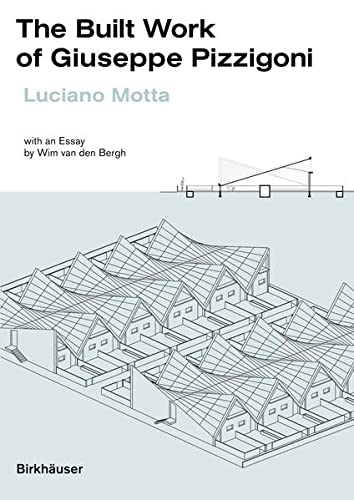
Giuseppe Pizzigoni, architect of classical and postwar modernism in northern Italy, owes his reputation to his connections with the Novecento movement, his independence from fascism, and his interest in innovative residential floor plans. Using redrawn plans of some 60 realized buildings, the design achievements are systematically analyzed, supplemented by explanations on the historical background, a systematic catalog, and up-to-date photographic documentation.
Introduction: redirecting the arrows of climatic design --
Dry --
Particles to dust storms: seeing climates from below --
Wind, making the invisible visible: design for and with natural ventilation --
Wet --
Weathering the monsoon: affective relations --
Clouding architecture --
90 % chance of rain: downpour as event --
Cool --
Casting shadows and seeking shade --
From crystal to cryosphere: architecture for the future ice age --
Hot --
Revealing fire --
Coda --
Explorations: climatic design in the design studio --
"Due to their immaterial nature, ephemeral phenomena like fire, rainfall, shade and wind signal important challenges for contemporary architects. Including these forces as part of a design process has gained new momentum in the quest for sustainable building. Based on an international collaboration, this book investigates the history, theory, and applications of drawn representations of climatic factors"--
Ephemeral phenomena like fire, precipitation, shade, and wind have emerged as important contemporary protagonists for environmental design due to their dynamic impact on buildings and cities. The importance of including these forces in architecture has gained rapid momentum in the global quest for sustainability. This book investigates the history, theory and applications of climatic design in the built environment examining architecture and landscapes from various time periods. Based on a collaboration between the University of Sydney and the National University of Singapore, the book brings together contributing authors from Australia, Singapore, and the United States. "Dry", "Wet", "Cool" and "Hot" divide the book into categories through which a wide array of representational topics are covered --from dust storms and clouds, to ice and bushfires. A concluding section presents project examples for exploratory application in the design of architecture.
Notas de autor provistas por Syndetics
Luciano Motta, Dozent am Lehrstuhl und Institut für Wohnbau und Grundlagen des Entwerfens der RWTH Aachen.