Imagen de Amazon.com

Portada de Syndetics
Imagen de OpenLibrary
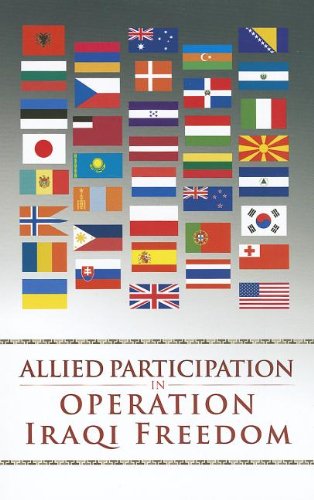
Allied participation in Operation Iraqi Freedom / by Stephen A. Carney.
Series CMH pub ; 59-3-1.Editor: Washington, DC : For sale by the Superintendent of Documents, U.S. Government Publishing OfficeDescripción: viii, 129 pages : color illustrations, color maps ; 22 cmTipo de contenido:- 9780160866944
- 0160866944
- 355.4/6 23
- DS79.76 .C3634 2011
| Imagen de cubierta | Tipo de ítem | Biblioteca actual | Biblioteca de origen | Colección | Ubicación en estantería | Signatura topográfica | Materiales especificados | Info Vol | URL | Copia número | Estado | Notas | Fecha de vencimiento | Código de barras | Reserva de ítems | Prioridad de la cola de reserva de ejemplar | Reservas para cursos | |
|---|---|---|---|---|---|---|---|---|---|---|---|---|---|---|---|---|---|---|
| Documento Federal bev | Biblioteca Encarnación Valdés sala de documentos federales | D114.2:IR1/2 (Navegar estantería(Abre debajo)) | 1 | Disponible | 80000002637059 |
Total de reservas: 0
Descripciones mejoradas de Syndetics:
Allied Participation in Operation Iraqi Freedom highlights a number of key aspects of allied support to the U.S.-led operation.
The presence of ground forces from so many coalition partners allowed U.S. combat forces to focus their generally superior capabilities in more contested sections of the country. This division of labor served American ends while still ensuring that our partners performed vital work that fully justified their commitment to Iraq's security. These combined operations also strengthened the ties between countries and improved the quality of interoperability between U.S. and coalition troops. Allied support played an important role in stabilizing the situation in Iraq. This short study also underscores the significant challenges that U.S. Army planners faced in Iraqi Freedom in integrating a host of different military partners into U.S. operational plans. Similar issues of working together in a complex military environment will doubtless reoccur in future operations, but the benefits of assembling such coalitions will almost certainly outweigh the problems. The United States cannot fight alone in the current operational environment, and improving the quantity and quality of our interaction with our international partners should continue to be a high priority. I commend this monograph to today's Army to read, gain insight into such combined operations, and reflect on how much support our allies can provide in future military endeavors. - Richard W. Stewart, Chief Historian, 30 September 2011Shipping list no.: 2012-0103-P.
CRDP Program record.
Includes bibliographical references (page 129).
Notas de autor provistas por Syndetics
STEPHEN A. CARNEY is a historian and staff ride leader in the Field Programs and Historical Services Division. He is also the author of Gateway South: The Campaign for Monterrey; Guns Along the Rio Grande: Palo Alto and Resaca de la Palma; The Occupation of Mexico, May 1846-July 1848; and Desperate Stand: The Battle of Buena Vista. He is working on a staff ride guide for the Battle of Gettysburg and a study of the antebellum Army, 1846-1860.