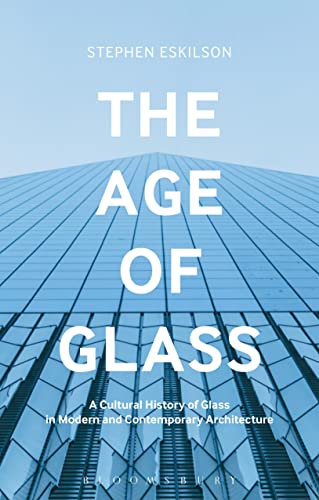

The age of glass : a cultural history of glass in modern and contemporary architecture / Stephen Eskilson. txt
Editor: New York : Bloomsbury Academic, 2018Edición: First publishedDescripción: 229 pages ill 22cmTipo de contenido:- text
- unmediated
- volume
- 9781474278362
- 9781474278355
- 9781474278379
- 9781474278386
- 721/.04496 23
- NA4140 E85 2018
| Imagen de cubierta | Tipo de ítem | Biblioteca actual | Biblioteca de origen | Colección | Ubicación en estantería | Signatura topográfica | Materiales especificados | Info Vol | URL | Copia número | Estado | Notas | Fecha de vencimiento | Código de barras | Reserva de ítems | Prioridad de la cola de reserva de ejemplar | Reservas para cursos | |
|---|---|---|---|---|---|---|---|---|---|---|---|---|---|---|---|---|---|---|
| Libro | CARIBET Biblioteca Arquitectura Colección General CARIBET | General NA4140 E85 2018 (Navegar estantería(Abre debajo)) | 1 | Disponible | 91000000055889 |
Descripciones mejoradas de Syndetics:
Glass has long transformed the architectural landscape. From the Crystal Palace through to the towering glass spires of today's cities, few architectural materials have held such immense symbolic resonance in the modern era.
The Age of Glass explores the cultural and technological ascension of glass in modern and contemporary architecture. Showing how the use of glass is driven as much by changing cultural concerns as it is by developments in technology and style, it traces the richly interwoven material, symbolic, and ideological histories of glass to show how it has produced and dispersed meaning in architecture over the past two centuries.
The book's chapters focus on key moments within the modern history of architecture, moments when glass came to the forefront of architectural thought, and which illustrate how glass has been used at different times to project different cultural ideas. A wide range of topics are explored - from the tension between expressionism and functionalism, to the persistent theme of glass and social class, to how glass has reflected political ideas from Nazism through to today's global consumer capitalism. The book also grapples with current arguments about sustainability, while, taking into account the advent of digital LED screens and 'smart glass', offering new cultural perspectives on the future and asking what glass architecture will signify in the digital age. Combining close readings of buildings with insights drawn from research, plus good storytelling and strong contemporary relevance, The Age of Glass offers a fascinating new perspective on modern architecture and culture.
Includes bibliographical references and index.
The age of glass -- Stained glass -- Daylight -- Glass visions -- Structural glass -- Shade -- The politics of glass.