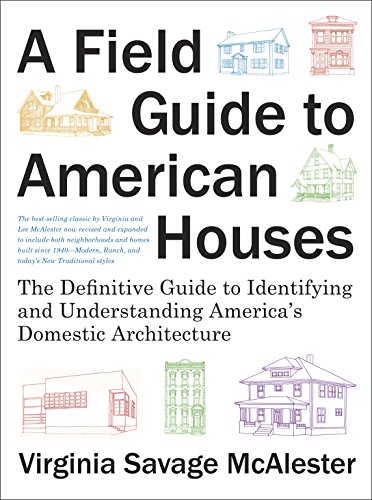
Imagen de portada de Amazon
Imagen de Amazon.com
Imagen de cubierta Syndetics
Portada de Syndetics
Imagen de OpenLibrary

A field guide to American houses : the definitive guide to identifying and understanding America's domestic architecture. / Virginia Savage McAlester ; with drawings by Suzanne Patton Matty and photographs by Steve Clicque ; revised and expanded from the original edition written by Virginia and Lee McAlester ; with drawings by Lauren Jarrett and model house drawings by Juan Rodriguez-Arnaiz. txt

Por: Colaborador(es): Editor: New York : Alfred A. Knopf , 2013Edición: 2nd edDescripción: xxv, 848 p. ill. ;maps. ; 27 cmTipo de contenido:
  • text
Tipo de medio:
  • unmediaded
Tipo de soporte:
  • volume
ISBN:
  • 9781400043590
  • 140004359X
Tema(s): Clasificación CDD:
  • 23 728.0973
Clasificación LoC:
  • NA7205 M33 2013
Contenidos:
Contents -- How to Use This Book -- Preface -- Pictorial Key and Glossary -- Looking at American Houses -- Style: The Fashions of American Houses -- Form: The Shapes of American Houses -- Structure: The Anatomy of American Houses -- Neighborhoods: The Groupings of American Houses -- Folk Houses -- Native American -- Pre-Railroad -- National -- Manufactured -- Colonial Houses (1600–1820) -- Postmedieval English -- Dutch Colonial -- French Colonial -- Spanish Colonial -- Georgian -- Federal -- Early Classical Revival -- Romantic Houses (1820–1880) -- Greek Revival -- Gothic Revival -- Italianate -- Exotic Revivals -- Octagon -- Victorian Houses (1860–1900) -- Second Empire -- Stick -- Queen Anne -- Shingle -- Richardsonian Romanesque -- Folk Victorian -- Eclectic Houses (1880–1940) -- English and Anglo-American Period Houses -- Colonial Revival -- Neoclassical -- Tudor -- French Period Houses -- Chateauesque -- Beaux Arts -- French Eclectic -- Mediterranean and Spanish Period Houses -- Italian Renaissance -- Mission -- Spanish Revival -- Monterey -- Pueblo Revival -- Modern Houses (1900–present) -- Early Modern -- Prairie -- Craftsman -- Modernistic -- Bankers Modern -- Minimal Traditional -- Ranch -- Split-Level -- Mainstream Modern -- International -- Contemporary -- Shed -- Other 20th-Century Modern -- 21st-Century Modern -- Styled Houses Since 1935 -- Mansard -- Styled Ranch -- Millennium Mansion -- New Traditional -- American Vernacular -- Appendix -- Approaches to Construction in the 20th and 21st Centuries -- Notes -- For Further Reference -- Acknowledgments -- About the Illustrations -- Photo Credits -- Index --
Resumen: Here at last: the fully expanded, updated, and freshly designed second edition of the most comprehensive and widely acclaimed guide to domestic architecture—in print since its publication in 1984, and acknowledged everywhere as the unmatched, essential reference to American houses. Focusing on dwellings in urban and suburban neighborhoods and rural locations all across the continental United States—houses built over the past three hundred years reflecting every social and economic background—this guide provides in-depth information on the essentials of domestic architecture with facts and frames of reference that will enable you to look in a fresh way at the houses around you. With more than 1,600 detailed photographs and line illustrations, and a lucid, vastly informative text, it will teach you not only to recognize distinct architectural styles but also to understand their historical significance. What does that cornice signify? Or that porch? The shape of that door? The window treatment? When was this house built? What does the style say about its builders and their eras? You'll find the answers to these and myriad other questions in this encyclopedic and eminently practical book. Here are more than fifty styles and their variants, spanning seven distinct historical periods. Each style is illustrated with a large schematic drawing that highlights its most important identifying features. Additional drawings and photographs provide, at a glance, common alternative shapes, principal subtypes, and close-up views of typical small details—windows, doors, cornices, etc.—that can be difficult to see in full-house illustrations. The accompanying text explains the identifying features of each style, describing where and in what quantity they can be found, discussing all of its notable variants, and tracing their origin and history. The book's introductory chapters provide invaluable general discussions of construction materials and techniques, house shapes, and the various traditions of architectural fashion that have influenced American house design through the past three centuries. A pictorial key and glossary simplifies identification, connecting easily recognized architectural features—the presence of a tile roof, for example—to the styles in which that feature is likely to be found. Among the new material included in this edition are chapters on styles that have emerged in the thirty years since the previous edition; a groundbreaking chapter on the development and evolution of American neighborhoods; an appendix on approaches to construction in the twentieth and twenty-first centuries; an expanded bibliography; and 600 new photographs and line drawings throughout. Here is an indispensable resource—both easy and pleasurable to use—for the house lover and the curious tourist, for the house buyer and the weekend stroller, for neighborhood preservation groups, architecture buffs, and everyone who wants to know more about their own homes and communities. It is an invaluable book of American architecture, culture, and history.
Valoración
    Valoración media: 0.0 (0 votos)
Existencias
Imagen de cubierta Tipo de ítem Biblioteca actual Biblioteca de origen Colección Ubicación en estantería Signatura topográfica Materiales especificados Info Vol URL Copia número Estado Notas Fecha de vencimiento Código de barras Reserva de ítems Prioridad de la cola de reserva de ejemplar Reservas para cursos
Libro CARIBET Biblioteca Arquitectura Colección General CARIBET General NA7205 M33 2013 (Navegar estantería(Abre debajo)) 1 Disponible 91000000043935
Total de reservas: 0

Descripciones mejoradas de Syndetics:

"For the house lover and the curious tourist, for the house buyer and the weekend stroller, for neighborhood preservation groups and for all who want to know more about their community -- here, at last, is a book that makes it both easy and pleasurable to identify the various styles and periods of American domestic architecture. Concentrating not on rare landmarks but on typical dwellings in ordinary neighborhoods all across the United States -- houses built over the past three hundred years and lived in by Americans of every social and economic background -- the book provides you with the facts (and frame of reference) that will enable you to look in a fresh way at the houses you constantly see around you. It tells you -- and shows you in more than 1,200 illustrations -- what you need to know in order to be able to recognize the several distinct architectural styles and to understand their historical significance. What does that cornice mean? Or that porch? That door? When was this house built? What does its style say about the people who built it? You'll find the answers to such questions here. This is how the book works- Each of thirty-nine chapters focuses on a particular sty

Include index

Include bibliography

Contents --
How to Use This Book --
Preface --
Pictorial Key and Glossary --
Looking at American Houses --
Style: The Fashions of American Houses --
Form: The Shapes of American Houses --
Structure: The Anatomy of American Houses --
Neighborhoods: The Groupings of American Houses --
Folk Houses --
Native American --
Pre-Railroad --
National --
Manufactured --
Colonial Houses (1600–1820) --
Postmedieval English --
Dutch Colonial --
French Colonial --
Spanish Colonial --
Georgian --
Federal --
Early Classical Revival --
Romantic Houses (1820–1880) --
Greek Revival --
Gothic Revival --
Italianate --
Exotic Revivals --
Octagon --
Victorian Houses (1860–1900) --
Second Empire --
Stick --
Queen Anne --
Shingle --
Richardsonian Romanesque --
Folk Victorian --
Eclectic Houses (1880–1940) --
English and Anglo-American Period Houses --
Colonial Revival --
Neoclassical --
Tudor --
French Period Houses --
Chateauesque --
Beaux Arts --
French Eclectic --
Mediterranean and Spanish Period Houses --
Italian Renaissance --
Mission --
Spanish Revival --
Monterey --
Pueblo Revival --
Modern Houses (1900–present) --
Early Modern --
Prairie --
Craftsman --
Modernistic --
Bankers Modern --
Minimal Traditional --
Ranch --
Split-Level --
Mainstream Modern --
International --
Contemporary --
Shed --
Other 20th-Century Modern --
21st-Century Modern --
Styled Houses Since 1935 --
Mansard --
Styled Ranch --
Millennium Mansion --
New Traditional --
American Vernacular --
Appendix --
Approaches to Construction in the 20th and 21st Centuries --
Notes --
For Further Reference --
Acknowledgments --
About the Illustrations --
Photo Credits --
Index --

Here at last: the fully expanded, updated, and freshly designed second edition of the most comprehensive and widely acclaimed guide to domestic architecture—in print since its publication in 1984, and acknowledged everywhere as the unmatched, essential reference to American houses.
Focusing on dwellings in urban and suburban neighborhoods and rural locations all across the continental United States—houses built over the past three hundred years reflecting every social and economic background—this guide provides in-depth information on the essentials of domestic architecture with facts and frames of reference that will enable you to look in a fresh way at the houses around you. With more than 1,600 detailed photographs and line illustrations, and a lucid, vastly informative text, it will teach you not only to recognize distinct architectural styles but also to understand their historical significance. What does that cornice signify? Or that porch? The shape of that door? The window treatment? When was this house built? What does the style say about its builders and their eras? You'll find the answers to these and myriad other questions in this encyclopedic and eminently practical book.
Here are more than fifty styles and their variants, spanning seven distinct historical periods. Each style is illustrated with a large schematic drawing that highlights its most important identifying features. Additional drawings and photographs provide, at a glance, common alternative shapes, principal subtypes, and close-up views of typical small details—windows, doors, cornices, etc.—that can be difficult to see in full-house illustrations. The accompanying text explains the identifying features of each style, describing where and in what quantity they can be found, discussing all of its notable variants, and tracing their origin and history.
The book's introductory chapters provide invaluable general discussions of construction materials and techniques, house shapes, and the various traditions of architectural fashion that have influenced American house design through the past three centuries. A pictorial key and glossary simplifies identification, connecting easily recognized architectural features—the presence of a tile roof, for example—to the styles in which that feature is likely to be found.
Among the new material included in this edition are chapters on styles that have emerged in the thirty years since the previous edition; a groundbreaking chapter on the development and evolution of American neighborhoods; an appendix on approaches to construction in the twentieth and twenty-first centuries; an expanded bibliography; and 600 new photographs and line drawings throughout.
Here is an indispensable resource—both easy and pleasurable to use—for the house lover and the curious tourist, for the house buyer and the weekend stroller, for neighborhood preservation groups, architecture buffs, and everyone who wants to know more about their own homes and communities. It is an invaluable book of American architecture, culture, and history.

Reseñas proporcionadas por Syndetics

Library Journal Review

Thirty years ago this reviewer evaluated the first edition of this book for the Journal of the Society of Architectural Historians, calling it "the best field guide to American residential architecture that has ever been published and likely to remain so." This second edition enlarges the first by more than 60 percent (300 pages). This edition covers American residential architecture after 1940, which accounts for 80 percent of U.S. homes. This housing is mostly "modern" in a convicted sense, and it slowly falls into preserved historic neighborhood status designation nationwide. A whole new important 50-page chapter covers the planning and layout of neighborhoods, a valuable addition for historians, planners, and historic preservationists. Finally, this edition doubles the first edition's bibliography and adds 18 pages of useful footnotes, which didn't appear in the first edition. Much remains to be done for the public. Apps, already available for rocks, trees, birds, plants, and constellations, would be extremely useful for smartphone users. Topographic treatment would also be enormously beneficial, harnessing big data to good use. One erection objection: too many oversize, postmodern mansions are featured. Verdict Those interested and involved in historic preservation/architectural history, as well as public and academic libraries, should buy this one.-Peter S. Kaufman, Boston Architectural Ctr. (c) Copyright 2013. Library Journals LLC, a wholly owned subsidiary of Media Source, Inc. No redistribution permitted.

Booklist Review

*Starred Review* This outstanding volume covers more than 50 styles of American residential architecture, from early settlement homes of the seventeenth century to the modern Millennium Mansions of the present day. Expanded and completely revised from the 1984 edition, this edition includes American house design from the last three decades and adds more than 600 new photographs and illustrations.The introductory section, Looking at American Homes, is broken down into distinct narratives. Style: The Fashions of American Houses distills the majority of houses into one of four principal architectural traditions; Form: The Shapes of American Houses features copious line drawings that show ground plans and proportions; Structure: The Anatomy of American Houses details the walls, roofs, and structural elements of a house; and Neighborhoods: The Groupings of American Houses highlights the different types of neighborhoods, including a discussion of plans, density, streets and sidewalks, and development influences.Each section that follows covers a specific style (e.g., Dutch Colonial, Italianate, Queen Anne, Tudor, Mission, Prairie, Ranch), with notes on identifying features, principal subtypes, variants and details, and geographic occurrence. Numerous black-and-white photographs illustrate the wide variety of houses found within each style, and line drawings express both fine and broad details. The appendix Approaches to Construction in the 20th and 21st Centuries discusses prefabricated structures and green construction. Copious notes and a bibliography for further reference round out the work. Both scholars and average readers will find much to enjoy in this volume. Highly recommended for most public and academic libraries and the price point may allow for a circulating copies.--Vnuk, Rebecca Copyright 2014 Booklist

Notas de autor provistas por Syndetics

"Virginia and Lee McAlester have both avocational and professional interests in architecture. Virginia, a Radcliffe graduate, attended the Harvard Graduate School of Design. She is a founding member and past president of the Historic Preservation League, Inc. (Dallas), and for nine years was Texas Advisor and a member of the Administrative Committee of the National Trust for Historic Preservation. She is co-author of The Making of a Historic District- Swiss Avenue. Lee, a geologist, is a professor at Southern Methodist University and was formerly Dean of the School of Humanities. From 1960 to 1973 he was Professor of Geology at Yale University. He has an active hobby interest in architectural history and has been involved in historic preservation in New England, Georgia, and the Southwest. The McAlesters live in Dallas, Texas."
Compartir
logopucpr-y-vive

Contáctanos

¡Queremos saber de ti!

Tel. 787.841.2000 Ext. 1801

bibliotecavaldes@pucpr.edu

⁣Búscanos en las redes

© 2026 Desarrollado por Ignite Online • All Rights Reserved • Powered by Koha.