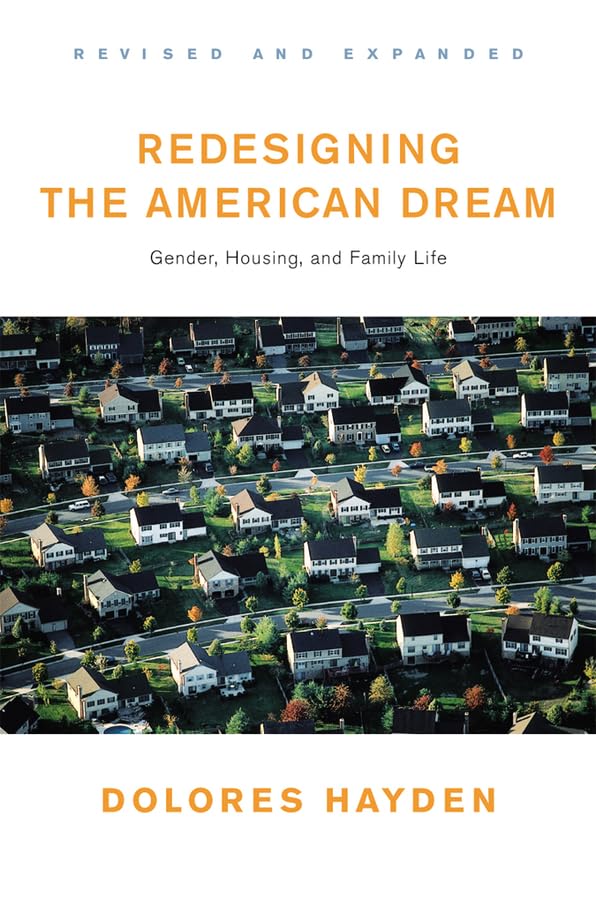

Redesigning The American Dream : the future of housing, work, and family life. / Dolores Hayden. txt
New York : London : W. W. Norton & Company, 2002Edición: Rev. and expandedDescripción: 286 p. ill. ; plans ; 24 cmTipo de contenido:- text
- unmediaded
- volume
- 9780393730944
- 0393730948
- 363.5/0973 21
- HD7293 H39 2002
| Imagen de cubierta | Tipo de ítem | Biblioteca actual | Biblioteca de origen | Colección | Ubicación en estantería | Signatura topográfica | Materiales especificados | Info Vol | URL | Copia número | Estado | Notas | Fecha de vencimiento | Código de barras | Reserva de ítems | Prioridad de la cola de reserva de ejemplar | Reservas para cursos | |
|---|---|---|---|---|---|---|---|---|---|---|---|---|---|---|---|---|---|---|
| Libro | CARIBET Biblioteca Arquitectura Colección General CARIBET | General HD7293 H39 2002 (Navegar estantería(Abre debajo)) | 1 | Disponible | 91000000040824 |
Descripciones mejoradas de Syndetics:
Winner of the National Endowment for the Arts Award for Excellence in Design Research, the Paul Davidoff Award for an Outstanding Book in Urban Planning, the Vesta Award for Feminist Scholarship in the Arts, and an ALA Notable Book Award: a provocative critique of how American housing patterns impact private and public life.
Americans still build millions of dream houses in neighborhoods that sustain Victorian stereotypes of the home as 'woman's place' and the city as 'man's world.' Urban historian and architect Dolores Hayden tallies the personal and social costs of an American 'architecture of gender' for the two-earner family, the single-parent family, and single people. Many societies have struggled with the architectural and urban consequences of women's paid employment: Hayden traces three models of home in historical perspective--the haven strategy in the United States, the industrial strategy in the former USSR, and the neighborhood strategy in European social democracies--to document alternative ways to reconstruct neighborhoods.
Updated and still utterly relevant today as the New Urbanist architects have taken up Hayden's critique of suburban space, this award-winning book is essential reading for architects, planners, public officials, and activists interested in women's social and economic equality.
Includes bibliographical references (p. 269-278) and index.
Contents:
Preface to the 2002 edition --
Acknowledgement --
Part I: The Evolution of American Housing 17 --
1. Housing and American Life 19 --
2. From Ideal City to Dream House 33 --
The City on a Hill 34 --
Each Farmer on his Own Farm 35 --
The American Woman’s Home 36 --
“The City of the Faithfulest Friends” 40 --
Evolution of the Public Landscape 42 --
The Homelike World 44 --
“Good Homes Make Contented Workers” 48 --
Selling Mrs. Consumers 50 --
“I’ll Buy That Dream” 52 --
3. Awakening from the Dream 57 --
Outgrowing our Prescriptive Architecture 58 --
Creating the Critique 60 --
Architects and Urban Planners 61 --
Environmentalists 63 --
Feminist 68 --
Renters and Owners 73 --
Sticker Shock 75 --
Part II. Rethinking private life 79 --
4. Nurturing: Home, Mom, and Apple Pie 81 --
Three Models of Home 85 --
The Heaven Strategy 87 --
The Industrial Strategy 88 --
The Neighborhood Strategy 91 --
Modifying Beecher's Haven Strategy 95 --
Commercial Services 97 --
Employer Benefits and State Services 99 --
Swedish Parent Insurance 100 --
Male Participation 101 --
Modifying Bebel’s Industrial Strategy 103 --
The House for the New Way of Life 103 --
Soviet Motherhood 104 --
Housewives Factories in Cuba and China 105 --
Modifying Pierces Neighborhood Strategy 108 --
Service Houses, Collective Houses and Cooperative --
Quadrangles 110 --
Apartment Hotels 114 --
Cash or Community? 114 --
Family Allowances and Wages for Housework 115 --
Trade-A-Made 117 --
NICHE 117 --
Complexity 118 --
5.Economics Gating and Spending 121 --
Paid and Unpaid Work 122 --
GNP as Measurement 125 --
Economic Equity for Women 127 --
Transportation: Women's Journey vs Men’s 128 --
Housing Construction and Jobs 131 --
Sweat Equity for Tenants 132 --
Jobs on Side in Housing for Single Parents 134 --
The Women's Development Corporation 137 --
Counting with Women in Mind 138 --
6. Architecture: Roof, Fire, and Center 141 --
Three Models of Home Translated into Built Form 143 --
The Heaven Strategy: The Single-Family House as Primitive --
Sacred Hut 145 --
Eclectic Styles 147 ---
Electrification 148 --
Manufactured Housing 152--
High-Priced, High Tech, and High Culture Huts153 --
Telecommuting from the Heaven 155 --
The Industrial Strategy: Mass Housing as Machine 156 --
Panopticons, Parallelogram, and Phalanxes 157 --
Social Housing 157 --
Support Structures 162 --
Social Engineering 164 --
Dynamite 167 --
The Neighborhood Strategy: The Cloister and the Village 170 --
The Academical Village 171 --
Quadrangles in the Garden Cities 172 --
Courtyards and Greens 174 --
Cohousing 177 --
Transitional Housing 181 --
New Densities for the Twenty First Century 182 --
Campaigns for Affordable Housing --
The Charter of the New Urbanism 185 --
European Charter for Women in the City 187 --
Construction or Reconstruction? 188 --
Part III. Rethinking Public Life 191 --
7. Reconstructing Domestic Space 193 --
The Builders Approach–Greenfield Construction 195 --
Alternative Approaches of Infill and Reconstruction 197 --
Accessory Apartment in Single-Family Neighborhoods 199 --
The Constituency for Accessory Apartments 201--
Reorganizing the Dream Houses 204 --
Relandscaping the Dream Neighborhoods 206 --
Homeownership in Limited-Equity Cooperatives 211 --
Public Housing: Making it More Like Home 213 --
Housing on Congregate for the Elderly, Singles and Families 216 --
An Inn for the Elderly in New England 216 --
Congregate Housing Designed for Privacy and Community 217 --
Rehabilitation for Singles and Small Households 220 --
Implementing Change in the Built Environment: Taking the Long View 222 --
8.Domesticating Urban Spaces 225 --
The Freedom of the City for Women 227 --
Public Space for Parents 230 --
Greenlights and Safehouses 231 --
Rape Prevention, Public Transportation, and Women’s Safety 232 --
Advertisement, Pornography, and Public Space 233 --
9. Beyond the Architecture of Gender 239 --
Reuniting Home, Suburbs and City 240 --
Urbanism: Making Economics, Social and Architectural Ideas Work Together 242 --
The City of Women’s Equalities 242 --
Notes 247--
Selected Bibliography 269 --
Index 279 --
In a provocative critique of American housing patterns that perpetuate Victorian stereotypes of the home as "woman's place" and the city as "man's world", urban historian and architect Dolores Hayden tallies the personal and social costs that an "architecture of gender" creates for the two-earner family, the single-parent family, and single people. She traces three models of home in historical perspective to document innovative alternatives for reconstructing neighborhoods --
Tabla de contenidos provista por Syndetics
- Preface to the 2002 Edition
- Acknowledgments
- Part I. The Evolution of American Housing(p. 17)
- 1. Housing and American Life(p. 19)
- 2. From Ideal City to Dream House(p. 33)
- The City on a Hill(p. 34)
- Each Farmer on His Own Farm(p. 35)
- The American Woman's Home(p. 36)
- "The City of the Faithfulest Friends"(p. 40)
- Evolution of the Public Landscape(p. 42)
- The Homelike World(p. 44)
- "Good Homes Make Contented Workers"(p. 48)
- Selling Mrs. Consumer(p. 50)
- "I'll Buy That Dream"(p. 52)
- 3. Awakening from the Dream(p. 57)
- Outgrowing Our Prescriptive Architecture(p. 58)
- Creating the Critique(p. 60)
- Architects and Urban Planners(p. 61)
- Environmentalists(p. 63)
- Feminists(p. 68)
- Renters and Owners(p. 73)
- Sticker Shock(p. 75)
- Part II. Rethinking Private Life(p. 79)
- 4. Nurturing: Home, Mom, and Apple Pie(p. 81)
- Three Models of Home(p. 85)
- The Haven Strategy(p. 87)
- The Industrial Strategy(p. 88)
- The Neighborhood Strategy(p. 91)
- Modifying Beecher's Haven Strategy(p. 95)
- Miniaturized Technology and Household Engineering(p. 95)
- Commercial Services(p. 97)
- Employer Benefits and State Services(p. 99)
- Swedish Parent Insurance(p. 100)
- Male Participation(p. 101)
- Modifying Bebel's Industrial Strategy(p. 103)
- The House for the New Way of Life(p. 103)
- Soviet Motherhood(p. 104)
- Housewives' Factories in Cuba and China(p. 105)
- Modifying Peirce's Neighborhood Strategy(p. 108)
- Service Houses, Collective Houses, and Cooperative Quadrangles(p. 110)
- Apartment Hotels(p. 114)
- Cash or Community?(p. 114)
- Family Allowances and Wages for Housework(p. 115)
- Trade-A-Maid(p. 117)
- Niche(p. 117)
- Complexity(p. 118)
- 5. Economics: Getting and Spending(p. 121)
- Paid and Unpaid Work(p. 122)
- GNP as Measurement(p. 125)
- Economic Equity for Women(p. 127)
- Transportation: Women's Journeys versus Men's(p. 128)
- Housing Construction and Jobs(p. 131)
- Sweat Equity for Tenants(p. 132)
- Jobs on Site in Housing for Single Parents(p. 134)
- The Women's Development Corporation(p. 137)
- Counting with Women in Mind(p. 138)
- 6. Architecture: Roof, Fire, and Center(p. 141)
- Three Models of Home Translated into Built Form(p. 143)
- The Haven Strategy: The Single-Family House as Primitive Sacred Hut(p. 145)
- Eclectic Styles(p. 147)
- Electrification(p. 148)
- Manufactured Housing(p. 152)
- High-Priced, High-Tech, and High-Culture Huts(p. 153)
- Telecommuting from the Haven(p. 155)
- The Industrial Strategy: Mass Housing as Machine(p. 156)
- Panopticons, Parallellograms, and Phalanxes(p. 157)
- Social Housing(p. 157)
- Support Structures(p. 162)
- Social Engineering(p. 164)
- Dynamite(p. 167)
- The Neighborhood Strategy: The Cloister and the Village(p. 170)
- The Academical Village(p. 171)
- Quadrangles in the Garden Cities(p. 172)
- Courtyards and Greens(p. 174)
- Cohousing(p. 177)
- Transitional Housing(p. 181)
- New Densities for the Twenty-first Century(p. 182)
- Campaigns for Affordable Housing(p. 185)
- The Charter of the New Urbanism(p. 185)
- European Charter for Women in the City(p. 187)
- Construction or Reconstruction?(p. 188)
- Part III. Rethinking Public Life(p. 191)
- 7. Reconstructing Domestic Space(p. 193)
- The Builders' Approach--Greenfield Construction(p. 195)
- Alternative Approaches of Infill and Reconstruction(p. 197)
- Accessory Apartments in Single-Family Neighborhoods(p. 199)
- The Constituency for Accessory Apartments(p. 201)
- Reorganizing the Dream Houses(p. 204)
- Relandscaping the Dream Neighborhoods(p. 206)
- Homeownership in Limited-Equity Cooperatives(p. 211)
- Public Housing: Making It More Like Home(p. 213)
- Housing on Congregate Models for the Elderly, Singles, and Families(p. 216)
- An Inn for the Elderly in New England(p. 216)
- Congregate Housing Designed for Privacy and Community(p. 217)
- Rehabilitation for Singles and Small Households(p. 220)
- Implementing Change in the Built Environment: Taking the Long View(p. 222)
- 8. Domesticating Urban Space(p. 225)
- The Freedom of the City for Women(p. 227)
- Public Space for Parents(p. 230)
- Greenlights and Safehouses(p. 231)
- Rape Prevention, Public Transportation, and Women's Safety(p. 232)
- Advertisements, Pronography, and Public Space(p. 233)
- 9. Beyond the Architecture of Gender(p. 239)
- Reuniting Home and Work, Suburb and City(p. 240)
- Urbanism: Making Economic, Social, and Architectural Ideas Work Together(p. 242)
- The City of Women's Equality(p. 242)
- Notes(p. 247)
- Selected Bibliography(p. 269)
- Index(p. 279)