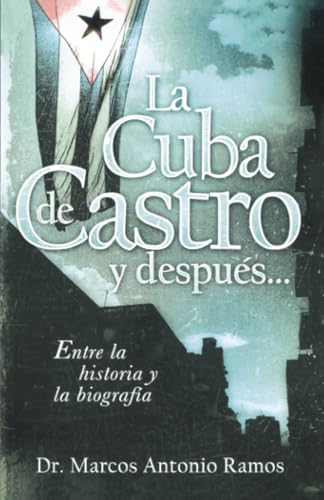
Imagen de portada de Amazon
Imagen de Amazon.com
Imagen de cubierta Syndetics
Portada de Syndetics
Imagen de OpenLibrary

La Cuba de Castro y después ... Marco Antonio Ramos.

Por: Detalles de publicación: Nashville , Tennessee Grupo Nelson 2007.Descripción: 303p. ill. 22cmISBN:
  • 9781602550056
Tema(s):
Valoración
    Valoración media: 0.0 (0 votos)
Existencias
Imagen de cubierta Tipo de ítem Biblioteca actual Biblioteca de origen Colección Ubicación en estantería Signatura topográfica Materiales especificados Info Vol URL Copia número Estado Notas Fecha de vencimiento Código de barras Reserva de ítems Prioridad de la cola de reserva de ejemplar Reservas para cursos
Libro Biblioteca Encarnación Valdés Colección General bev 972.91064 C355yr 2007 (Navegar estantería(Abre debajo)) Disponible 80000002433723
Total de reservas: 0

Descripciones mejoradas de Syndetics:

¿Dictador o libertador? ¿Genio caritativo o tirano opresor? El doctor Marcos Antonio Ramos se enfoca de manera equilibrada y analiza al líder cubano, Fidel Castro, y el contexto histórico que rodea su influencia. Ramos escribe desde una perspectiva privilegiada dentro y fuera de Cuba y presenta a un hombre que ha sido en momentos odiado, en momentos querido, ignorado o aceptado por sus contemporáneos alrededor del mundo. Desde su ascenso al poder, sus inicios en la vida política, la influencia recíproca del Che Guevara, y la influencia que tuvo Castro sobre gran parte del desarrollo de Latinoamérica, La Cuba de Castro y después... incluye temas como:

1. La era de la Guerra Fría
2. Los varios éxodos de la población
3. El aislamiento
4. El posicionamiento actual y la influencia de Castro en la formación de los líderes actuales de Latinoamérica
5. El lugar de Castro en la historia
6. Una Cuba sin Castro y su función y posición en el futuro de Latinoamérica

Includes bibliographical references .

Reseñas proporcionadas por Syndetics

Publishers Weekly Review

In a traditional biographical-historical approach, Ramos traces Castro's rise to power as a natural consequence of a complicated national political scene. Set against the devastating political consequences of the Spanish defeat in the Spanish American War in 1898, which led to American involvement in Cuba's national affairs, the first part of this book traces the political struggles between professionals and the military to gain control of Cuba's presidency. Castro's earliest involvement in politics as a university student, including his participation in armed movements (1945), is fully explored. The second part of this book is considerably shorter. It presents Castro's opposition to the government of Fulgencio Batista, his guerrilla attack on the Moncada police head quarters (1953), and the launching of his revolution at the Granma landing in Oriente Province (1956). Two chapters cover (in a rather schematic format) the development of the revolutionary government after the triumph of the revolution in 1959. A last chapter briefly examines the role of Raúl--Castro's brother and designated replacement while Castro recuperated from his recent lengthy hospitalization. This sensible work is a multidisciplinary approach to the complex Cuban political background; recommended for collections of Cuban history.--Rafael Ocasio, Agnes Scott Coll., Decatur, GA (c) Copyright PWxyz, LLC. All rights reserved All rights reserved.
Compartir
logopucpr-y-vive

Contáctanos

¡Queremos saber de ti!

Tel. 787.841.2000 Ext. 1801

bibliotecavaldes@pucpr.edu

⁣Búscanos en las redes

© 2026 Desarrollado por Ignite Online • All Rights Reserved • Powered by Koha.