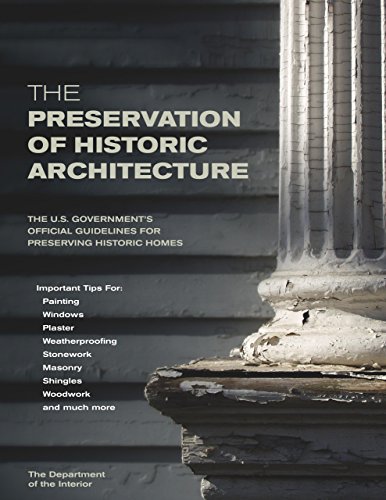

The preservation of historic architecture the U.S. government's official guidelines for preserving historic homes Department of the Interior.
Idioma: Español United States Of America The Lions Press 2004Descripción: 532 p. ill., maps, plans 28 cmTipo de contenido:- text
- unmediaded
- volume
- 9781592281268
- 720/.28/8021873 22
- NA106 U55 2004
| Imagen de cubierta | Tipo de ítem | Biblioteca actual | Biblioteca de origen | Colección | Ubicación en estantería | Signatura topográfica | Materiales especificados | Info Vol | URL | Copia número | Estado | Notas | Fecha de vencimiento | Código de barras | Reserva de ítems | Prioridad de la cola de reserva de ejemplar | Reservas para cursos | |
|---|---|---|---|---|---|---|---|---|---|---|---|---|---|---|---|---|---|---|
| Libro | CARIBET Biblioteca Arquitectura Colección General CARIBET | General NA106 U55 2004 (Navegar estantería(Abre debajo)) | 1 | Disponible | 91000000016022 |
Descripciones mejoradas de Syndetics:
From removing graffiti in Manhattan to rebuilding a hops barn in Oregon, the National Park Service-a part of the Department of the Interior-has faced just about every problem an old structure can encounter. Here for the first time is a collection of their hardwon know-how and official guidelines, written by the top experts in their respective fields of preservation.
Forty-two fully illustrated chapters include:
-- cleaning and waterproof coating for historic masonry
-- repointing mortar joints
-- maintaining historic adobe buildings
-- the dangers of abrasive cleaning
-- repairing historic wooden windows
-- rehabilitating historic storefronts
-- repairing wooden shingles
-- preserving barns
-- repairing stucco
-- using substitute materials on historic building exteriors
-- mothballing historic buildings
-- understanding architectural cast iron
There's even a chapter on repairing vintage signs. Each subject is treated with the utmost care and discusses the safest and most historically accurate repairs. Perhaps just as important as the valuable advice on how to undertake various projects, the guides also give invaluable advice on what not to do-based on years of preservation experience-that can save a homeowner thousands of dollars, hours, and perhaps a priceless piece of architecture. For the student or the professional restorer, THE PRESERVATION OF HISTORIC ARCHITECTURE is the official government text on saving old buildings.
"Important tips for: painting, windows, plaster, weatherproofing, stonework, masonry, shingles, woodwork and much more"--Cover.
Previously published by the U.S. Office of Archeology and Historic Preservation, Technical Preservation Services Division, as Preservation briefs, nos. 1-41.
Includes bibliographical references (p. 531).
Assessing cleaning and water-repellent treatments for historic masonry buildings -- Repointing mortar joints in historic masonry buildings -- Conserving energy in historic buildings -- Roofing for historic buildings -- Preservation of historic adobe buildings -- Dangers of abrasive cleaning to historic buildings -- The preservation of historic glazed architectural terra-cotta -- Aluminum and vinyl siding on historic buildings and the appropriateness of substitute materials for resurfacing historic wood frame buildings -- The repair of historic wooden windows -- Exterior paint problems on historic woodwork -- Rehabilitating historic storefronts -- The preservation of historic pigmented structural glass -- The repair and thermal upgrading of historic steel windows -- New exterior additions to historic buildings: preservation concerns -- Preservation of historic concrete: problems and general approaches -- The use of substitute materials on historic building exteriors -- Architectural character: identifying the visual aspects of historic buildings as an aid to preserving their character -- Rehabilitating interiors in historic buildings identifying and preserving character-defining elements -- The repair and replacement of historic wooden shingle roofs -- The preservation of historic barns -- Restoring historic flat plaster--walls and ceilings -- The preservation and repair of historic stucco -- Preserving historic ornamental plaster -- Heating, ventilating, and cooling historic buildings: problems and recommended approaches -- The preservation of historic signs -- The preservation and repair of historic log buildings -- The maintenance and repair of architectural cast iron -- Painting historic interiors -- The repair, replacement, and maintenance of historic slate roofs -- The preservation and repair of historic clay tile roofs -- Mothballing historic buildings -- Making historic properties accessible -- The preservation and repair of historic stained and leaded glass -- Applied decoration for historic interiors--preserving composition ornament -- Understanding old buildings: the process of architectural investigation -- Protecting cultural landscapes: planning, treatment, and management of historic landscapes -- Appropriate methods for reducing lead-paint hazards in historic housing -- Removing graffiti from historic masonry -- Holding the line: controlling unwanted moisture in historic buildings -- Preserving historic ceramic tile floors -- The seismic retrofit of historic buildings: keeping preservation in the forefront.
Tabla de contenidos provista por Syndetics
- 1 Assessing Cleaning and Water-Repellent Treatments for Historic Masonry Buildings(p. 1)
- 2 Repointing Mortar Joints in Historic Masonry Buildings(p. 17)
- 3 Conserving Energy in Historic Buildings(p. 33)
- 4 Roofing for Historic Buildings(p. 41)
- 5 Preservation of Historic Adobe Buildings(p. 49)
- 6 Dangers of Abrasive Cleaning to Historic Buildings(p. 57)
- 7 The Preservation of Historic Glazed Architectural Terra-Cotta(p. 65)
- 8 Aluminum and Vinyl Siding on Historic Buildings and the Appropriateness of Substitute Materials for Resurfacing Historic Wood Frame Buildings(p. 73)
- 9 The Repair of Historic Wooden Windows(p. 81)
- 10 Exterior Paint Problems on Historic Woodwork(p. 89)
- 11 Rehabilitating Historic Storefronts(p. 101)
- 12 The Preservation of Historic Pigmented Structural Glass(p. 113)
- 13 The Repair and Thermal Upgrading of Historic Steel Windows(p. 121)
- 14 New Exterior Additions to Historic Buildings: Preservation Concerns(p. 133)
- 15 Preservation of Historic Concrete: Problems and General Approaches(p. 145)
- 16 The Use of Substitute Materials on Historic Building Exteriors(p. 157)
- 17 Architectural Character: Identifying the Visual Aspects of Historic Buildings as an Aid to Preserving Their Character(p. 171)
- 18 Rehabilitating Interiors in Historic Buildings: Identifying and Preserving Character-Defining Elements(p. 183)
- 19 The Repair and Replacement of Historic Wooden Shingle Roofs(p. 191)
- 20 The Preservation of Historic Barns(p. 203)
- 21 Restoring Historic Flat Plaster--Walls and Ceilings(p. 215)
- 22 The Preservation and Repair of Historic Stucco(p. 229)
- 23 Preserving Historic Ornamental Plaster(p. 245)
- 24 Heating, Ventilating, and Cooling Historic Buildings: Problems and Recommended Approaches(p. 259)
- 25 The Preservation of Historic Signs(p. 273)
- 26 The Preservation and Repair of Historic Log Buildings(p. 285)
- 27 The Maintenance and Repair of Architectural Cast Iron(p. 301)
- 28 Painting Historic Interiors(p. 315)
- 29 The Repair, Replacement, and Maintenance of Historic Slate Roofs(p. 329)
- 30 The Preservation and Repair of Historic Clay Tile Roofs(p. 345)
- 31 Mothballing Historic Buildings(p. 361)
- 32 Making Historic Properties Accessible(p. 375)
- 33 The Preservation and Repair of Historic Stained and Leaded Glass(p. 389)
- 34 Applied Decoration for Historic Interiors--Preserving Composition Ornament(p. 405)
- 35 Understanding Old Buildings: The Process of Architectural Investigation(p. 421)
- 36 Protecting Cultural Landscapes: Planning, Treatment, and Management of Historic Landscapes(p. 433)
- 37 Appropriate Methods for Reducing Lead-Paint Hazards in Historic Housing(p. 453)
- 38 Removing Graffiti from Historic Masonry(p. 469)
- 39 Holding the Line: Controlling Unwanted Moisture in Historic Buildings(p. 485)
- 40 Preserving Historic Ceramic Tile Floors(p. 501)
- 41 The Seismic Retrofit of Historic Buildings: Keeping Preservation in the Forefront(p. 517)