Imagen de portada de Amazon
Imagen de Amazon.com
Imagen de cubierta Syndetics
Portada de Syndetics
Imagen de OpenLibrary

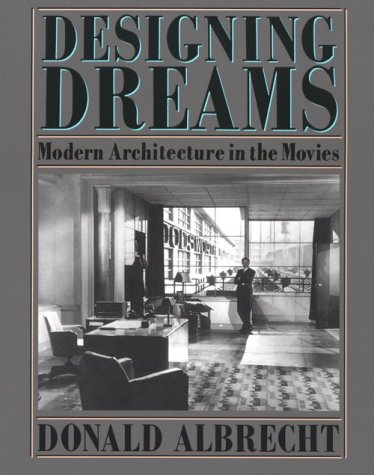
Designing dreams modern architecture in the movies Donald Albrecht.

Por: Colaborador(es): Idioma: Español Detalles de publicación: New York Harper & Row 1986.Edición: 1st edDescripción: 203 p. ilISBN:
  • 0940512262
Tema(s): Clasificación LoC:
  • PN1995.9 S4 A4 1986
Valoración
    Valoración media: 0.0 (0 votos)
Existencias
Imagen de cubierta Tipo de ítem Biblioteca actual Biblioteca de origen Colección Ubicación en estantería Signatura topográfica Materiales especificados Info Vol URL Copia número Estado Notas Fecha de vencimiento Código de barras Reserva de ítems Prioridad de la cola de reserva de ejemplar Reservas para cursos
Libro CARIBET Biblioteca Arquitectura Colección General CARIBET PN1995.9.S4 .A4 1986 (Navegar estantería(Abre debajo)) Disponible 91000000014563
Total de reservas: 0

Published in collaboration with the Museum of Modern Art.

Includes index.

Bibliography: p. 191-195.

Reseñas proporcionadas por Syndetics

CHOICE Review

The 1920s saw the heroic age of modern architecture and the growth of filmmaking as art and entertainment. By 1950, the pioneering fervor had subsided. Albrecht, an architect and curator at the American Museum of the Moving Image, has used the extensive collections of the Museum of Modern Art and other sources to research filmmaking as the most effective vehicle for exposing the public to the new architecture. With the advent of the studio system, staff designers, who were often trained in architecture, replaced the socially conscious avant-garde architects, prophets, and critics of a modern world who had worked with the free-lance producers of the 1920s. For the American designers of the depression, modern became the style of glamor and escapist dreams. This book recalls both art and entertainment from the beginnings to the 1950s, yet avoids the pitfalls of easy nostalgia. The well-researched and well-illustrated text is followed by a good bibliography and a chronological list of memorable films. The only available book on the history of the relationship between architecture and film, it will please movie buffs and should be made available wherever architecture or filmmaking is studied.-P.J. Mitarachi, Boston Architectural Center

Booklist Review

``Modern architecture itself may have left the public cold, but modern architecture in the movies caught its imagination.'' Writer-architect Albrecht examines this paradox in an intriguing analytic history of architectural film design that should delight lovers of architecture, of film, or of both. He grounds his history in summary accounts of the great exhibitions of modernist design from the 1925 Parisian show that named art deco to the 1939 New York World's Fair, and of the early development of movie set design. The bulk of the book concerns the florescence of modernist movie design in, first, Europe, and then, the U.S., from The Cabinet of Dr. Caligari (1919) to Lost Horizon (1937). He also considers how the movies replaced the egalitarian humanist ideology that such architects as Le Corbusier thought their work expressed with connotations of glamor, affluence, and privilege. Finally, he evaluates the most famous movie about modern architecture, the Johnny-come-lately Fountainhead (1947), and the architectural profession's indignant reaction to it. Gorgeously illustrated, this is a definite asset for design and film collections. Bibliography, filmography; to be indexed. RO. 791.43'025 Moving-pictures U.S. Setting and scenery / Architecture, Modern 20th century U.S.[CIP] 86-45077
Compartir
logopucpr-y-vive

Contáctanos

¡Queremos saber de ti!

Tel. 787.841.2000 Ext. 1801

bibliotecavaldes@pucpr.edu

⁣Búscanos en las redes

© 2026 Desarrollado por Ignite Online • All Rights Reserved • Powered by Koha.