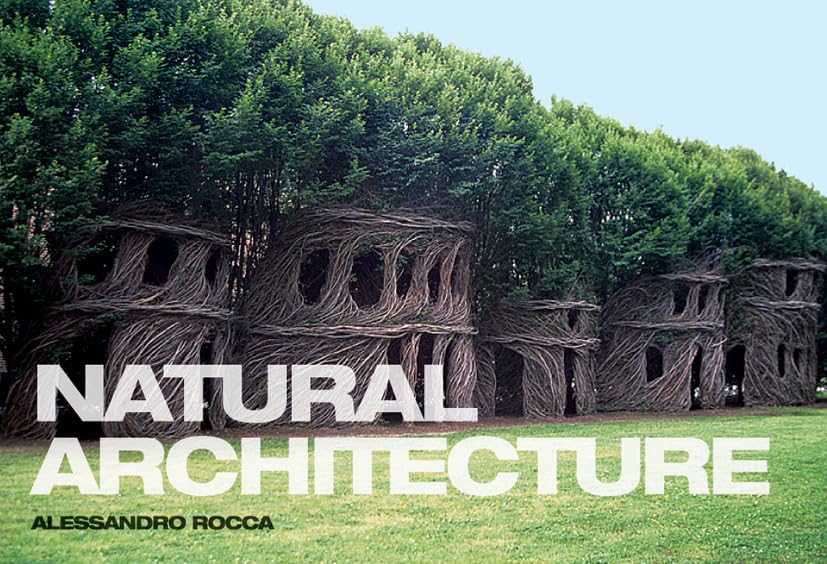

Natural Architecture : Alessandro Rocca. txt
Idioma: Español New York : Princeton Architectural Press , 2007Descripción: 215 p. ill. ; 16cmTipo de contenido:- text
- unmediaded
- volume
- 9781568987217 (pbk. : alk. paper)
- 1568987218 (pbk. : alk. paper)
- 702.8/1 22
- N6498.I56 R63 2007
| Imagen de cubierta | Tipo de ítem | Biblioteca actual | Biblioteca de origen | Colección | Ubicación en estantería | Signatura topográfica | Materiales especificados | Info Vol | URL | Copia número | Estado | Notas | Fecha de vencimiento | Código de barras | Reserva de ítems | Prioridad de la cola de reserva de ejemplar | Reservas para cursos | |
|---|---|---|---|---|---|---|---|---|---|---|---|---|---|---|---|---|---|---|
| Libro | CARIBET Biblioteca Arquitectura Colección General CARIBET | General N6498.I56 R63 2007 (Navegar estantería(Abre debajo)) | 1 | Disponible | 91000000003889 |
Descripciones mejoradas de Syndetics:
Never has the relationship between art and nature been more complicated and more fragile, but also richer and more fascinating. The artists and architects in Natural Architecture have transformed the act of building into an art form capable of sparking new relationships with nature, landscape, and the environment. Though far from basic or primitive, these creations are built from humble elementsbranches, twigs, pebbles, straw, stonefound at their site. Fulfilling a wide variety of intentionssometimes structural, sometimes sculptural, sometimes sacredthe works presented here inspire a sense of awe and reverence for the forces of nature. From a bridge in Tibet connecting an orphanage anda nearby village, to a hut fit for mythical creatures, to a pavilion in Iceland with a roof made of water perpetually frozen in an exuberant shape, each project resonates with a sense of purpose and innate beauty.
Natural Architecture presents sixty-six site-specific installations that use raw materials, manual labor,and natural stimuli to create truly green architecture that is as organic as the materials with which it is created. Projects by Olafur Eliasson, Patrick Dougherty, Nils-Udo, Ex. Studio, Edward Ng, nArchitects, and many others are shown together for the first time. Selected for their commitment to the use of raw materials, manual labor, and natural inspiration, these works are vividly displayed in photographs, drawings, and models. These fantastical creations allow the changing landscape to naturally overtake each structure until it finally decomposes. Each project is accompanied by a series of photographs, drawings, and models. The rugged and surreal beauty of the projects in Natural Architecture question the wisdom of our ever accelerating construction processes and point a way forward, toward a new organic simplicity of structure and form.
Includes bibliographical references (p. 208-209).
The pioneers -- David Nash -- Bruni & Babarit -- Mikael Hansen -- Giuliano Maur -- Sanfte Strukturen -- Ichi Ikeda -- Jackie Brookner -- Yutaka Kobayashi -- Nils-Udo -- François Méchain -- Architecture without architects -- Armin Schubert -- Chris Drury -- Patrick Dougherty -- Edward Ng -- N Architects -- Olafur Eliasson -- Ex.Studio --
"The artists and architects in Natural Architecture have transformed the act of building into an art form capable of sparking new relationships with nature, landscape, and the environment. Far from basic or primitive, these creations are built from humble elements twigs, pebbles, straw-found at the site. Fulfilling a wide variety of intentions, sometimes structural, sometimes sculptural, sometimes sacred, the works presented here inspire a sense of awe and reverence for the forces of nature. From a bridge in Tibet connecting an orphanage and a nearby village, to a hut fit for mythical creatures, to a pavilion in Iceland with a roof made of water perpetually frozen in an exuberant shape, each project resonates with a sense of purpose and innate beauty. Selected for their commitment to the use of raw materials, manual labor, and natural inspiration, these works are vividly displayed in photographs, drawings, and models. As organic as the materials with which they are built, these creations allow the living landscape to naturally overtake each structure until it finally decomposes." --