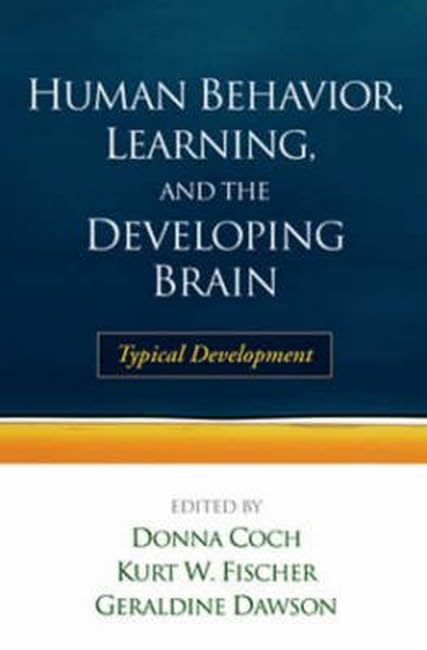

Human behavior, learning, and the developing brain. Typical development edited by Donna Coch, Kurt W. Fischer, Geraldine Dawson.
Detalles de publicación: New York Guilford Press c2007.Descripción: xx, 412 p., [4] p. of plates ill. 24 cmISBN:- 9781593851361 (hardcover : alk. paper)
- 1593851367 (hardcover : alk. paper)
- Typical development
- 618.92/89142 22
- RJ506.D47 H863 2007
- 2007 G-096
- WS 105
| Imagen de cubierta | Tipo de ítem | Biblioteca actual | Biblioteca de origen | Colección | Ubicación en estantería | Signatura topográfica | Materiales especificados | Info Vol | URL | Copia número | Estado | Notas | Fecha de vencimiento | Código de barras | Reserva de ítems | Prioridad de la cola de reserva de ejemplar | Reservas para cursos | |
|---|---|---|---|---|---|---|---|---|---|---|---|---|---|---|---|---|---|---|
| Libro | Biblioteca de Mayagüez Colección General mb | RJ506 .D47 H863 2007 (Navegar estantería(Abre debajo)) | Disponible | 50000003182952 |
Descripciones mejoradas de Syndetics:
This volume brings together leading authorities from multiple disciplines to examine the relationship between brain development and behavior in typically developing children. Presented are innovative cross-sectional and longitudinal studies that shed light on brain-behavior connections in infancy and toddlerhood through adolescence. Chapters explore the complex interplay of neurobiological and environmental influences in the development of memory, language, reading, inhibitory control, and other core aspects of cognitive, emotional, and social functioning. Throughout, the volume gives particular attention to what the research reveals about ways to support learning and healthy development in all children. Illustrations include four pages in full color.
Includes bibliographical references (p. 385-396) and index.
The role of neuroscience in historical and contemporary theories of human development / Sidney J. Segalowitz -- Some ways in which neuroscientific research can be relevant to education / James P. Byrnes -- The structural development of the human brain as measured longitudinally with magnetic resonance imaging / Rhoshel K. Lenroot and Jay N. Giedd -- Dynamic development of hemispheric biases in three cases : cognitive/hemispheric cycles, music, and hemispherectomy / Mary Helen Immordino-Yang and Kurt W. Fischer -- The social brain in infancy : a developmental cognitive neuroscience approach / Mark H. Johnson -- Recognition memory : brain-behavior relations from 0 to 3 / Sara Jane Webb -- Experience and developmental changes in the organization of language-relevant brain activity / Debra L. Mills and Elizabeth A. Sheehan -- Temperament and biology / Jerome Kagan and Nancy Snidman -- Frontal lobe development during infancy and childhood : contributions of brain electrical activity, temperament, and language to individual differences in working memory and inhibitory control / Martha Ann Bell, Christy D. Wolfe, and Denise R. Adkins -- Brain bases of learning and development of language and reading / James R. Booth -- Development of verbal working memory / Gal Ben-Yehudah and Julie A. Fiez -- Emotion processing and the developing brain / Alison B. Wismer Fries and Seth D. Pollak -- Brain development and adolescent behavior / Linda Patia Spear.
gccmay2008
Tabla de contenidos provista por Syndetics
- Part 1 History, Method, and Theory
- Segalowitz, The Role of Neuroscience in Historical and Contemporary Theories of Human Development
- Byrnes, Some Ways in which Neuroscientific Research Can Be Relevant to Education
- The Structural Development of the Human Brain as Measured Longitudinally with Magnetic Resonance Imaging
- Dynamic Development of Hemispheric Biases in Three Cases: Cognitive/Hemispheric Cycles, Music, and Hemispherectomy
- Part 2 The Developing Brain and Behavior in Infancy and Toddlerhood
- The Social Brain in Infancy: A Developmental Cognitive Neuroscience Approach
- Webb, Recognition Memory: Brain-behavior Relations from 0 to 3 Mills
- Sheehan Experience and Developmental Changes in the Organization of Language-relevant Brain Activity
- Temperament and Biology
- Frontal Lobe Development During Infancy and Childhood: Contributions of Brain Electrical Activity, Temperament, and Language to Individual Differences in Working Memory and Inhibitory Control
- Part 3 The Developing Brain and Behavior in School-aged Children and Adolescents Booth
- Brain Bases of Learning and Development of Language and Reading
- Development of Verbal Working Memory
- Emotion Processing and the Developing Brain
- Brain Development and Adolescent Behavior
Notas de autor provistas por Syndetics
Donna Coch, EdD, is Assistant Professor in the Department of Education at Dartmouth College. She earned a doctoral degree from the Harvard University Graduate School of Education and conducted postdoctoral research at the University of Oregon. Dr. Coch's research focuses on what happens in the brain as children learn how to read, particularly in terms of phonological and orthographic processing. A goal of both her research and teaching is to make meaningful connections between the fields of developmental cognitive neuroscience and education.
Kurt W. Fischer, PhD, is Charles Bigelow Professor of Education and Human Development at the Harvard University Graduate School of Education and founder and director of the program in Mind, Brain, and Education. He studies cognitive and emotional development from birth through adulthood, combining analysis of the commonalities across people with the diversity of pathways of learning and development. Dr. Fischer is the author of several books and over 200 scientific articles, and is founding president of the International Mind, Brain, and Education Society and editor of its journal Mind, Brain, and Education.
Geraldine Dawson, PhD, is Professor of Psychiatry and Behavioral Sciences in the School of Medicine at Duke University and founding Director of the Duke Center for Autism Diagnosis and Treatment. A clinical psychologist and award-winning researcher, Dr. Dawson has published more than 200 articles and chapters and 9 books on early detection and treatment of autism and brain development. With Sally J. Rogers, she developed the Early Start Denver Model, the first empirically validated comprehensive intervention for toddlers with autism. She served as the first Chief Science Officer for Autism Speaks, the largest autism science and advocacy organization. Before joining the Duke faculty, Dr. Dawson served as Research Professor of Psychiatry at the University of North Carolina, Chapel Hill, and, prior to that, as Professor of Psychology at the University of Washington and Founding Director of the University of Washington Autism Center. A Fellow of the American Psychological Society and the American Psychological Association, Dr. Dawson is a recipient of the Lifetime Achievement Award from the Association for Psychological Science and awards for Valuable Service and Research Contributions from the Autism Society of America. Her books include the coauthored Early Start Denver Model for Young Children with Autism , An Early Start for Your Child with Autism and A Parent's Guide to Asperger Syndrome and High-Functioning Autism .