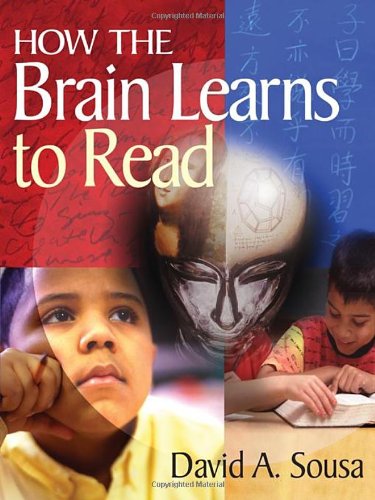

How the brain learns to read David A. Sousa.
Detalles de publicación: Thousand Oaks, Calif. Corwin Press c2005.Descripción: ix, 246 p. ill. 29 cmISBN:- 1412906008 (cloth)
- 1412906016 (pbk.)
| Imagen de cubierta | Tipo de ítem | Biblioteca actual | Biblioteca de origen | Colección | Ubicación en estantería | Signatura topográfica | Materiales especificados | Info Vol | URL | Copia número | Estado | Notas | Fecha de vencimiento | Código de barras | Reserva de ítems | Prioridad de la cola de reserva de ejemplar | Reservas para cursos | |
|---|---|---|---|---|---|---|---|---|---|---|---|---|---|---|---|---|---|---|
| Libro | Biblioteca de Mayagüez Colección General mb | LB1573 .S7845 2005 (Navegar estantería(Abre debajo)) | Disponible | 50000002168184 |
Descripciones mejoradas de Syndetics:
" How the Brain Learns to Read makes the important connections between reading and brain research accessible for teachers and parents. It is definitely a book that I will recommend to teachers and my undergraduate and graduate students." Diane Barone, Professor of Literary StudiesUniversity of Nevada
" How the Brain Learns to Read is a comprehensive, teacher-friendly book. Sousa not only clarifies the complex act of reading, he provides practical ′use-tomorrow′ strategies and guidelines for designing a successful reading program. This book makes a significant contribution to the field. I highly recommend it." Pat WolfeAuthor, Building the Reading Brain, PreK-3
"Sousa has hit a home run with How the Brain Learns to Read , giving us a specific application of brain research that takes us from generalizing about how the brain learns to how the brain learns to read." Robin Fogarty, Educational ConsultantRobin Fogarty & Associates, Ltd
Use the power of neuroscience to develop better readers in your class!
What must the brain learn in order to read effectively? What has research revealed about phonics and whole language approaches to reading instruction? Arm yourself with the most current neuroscientific information available and start your students down a lifelong path as successful readers.
How the Brain Learns to Read presents what scientists have uncovered about how children develop spoken language and use spoken language abilities when learning to read. Best-selling author David Sousa explores source material on brain research and provides scores of practical reading strategies for the K-12 classroom. Complete with relevant brain diagrams and informative tables, this exciting new book examines critical concepts including:
Understanding language acquisition and its relationship to reading Incorporating modern research findings in your classroom Recognizing and overcoming reading problems, including early intervention programs Content area reading with strategies to improve vocabulary and comprehension Developing a successful reading program that encourages teachers to be researchersReading is essential for success in our society. With this guide to cutting-edge reading research, you′ll find the keys to unlocking reading success in your students!See David A. Sousa′s How the Brain Learns, The 4-Book Collection
Includes bibliographical references (p. 225-236) and index.
Tabla de contenidos provista por Syndetics
- About the Author
- Introduction
- The Bad News and the Good News
- About This Book
- Assessing Your Current Knowledge of Reading
- 1 Learning Spoken Language
- Spoken Language Comes Naturally
- Structure of Language
- Levels of Language Comprehension
- 2 Learning to Read
- Reading is Not a Natural Ability
- Early Stages of Reading
- Reading Comprehension
- How Memory Affects Learning to Read
- What Do Brain Scans Reveal About Reading?
- Models of Reading Pathways
- The Importance of Practice
- 3 Teaching Reading
- Brief History of Teaching Reading
- Brain Research and Learning a Skill
- Modern Methods of Teaching Reading
- Research Findings on Reading Instruction
- Research Findings on Reading Instruction
- 4 Recognizing Reading Problems
- The Reading Gap
- Inadequate Reading Instruction
- Social and Cultural Causes of Reading Problems
- Physical Causes of Reading Problems
- Brain Imaging Studies
- Detecting Reading Problems
- 5 Overcoming Reading Problems
- Some Considerations for Teachers of Students With Reading Problems
- Basic Ingredients of Early Intervention Programs
- Programs for Older Students
- Rewiring the Brains of Struggling Readers
- Reading Problems and Taking Tests
- Advice to Students With Reading Problems
- Advice to Parents of Children With Reading Problems
- 6 Reading in the Content Areas
- Strategies for Helping Students Read Content Material
- Sequencing the Reading Strategies
- Graphic Organizers and Comprehension of Content Area Reading
- Reading Patterns in Content Areas
- 7 Putting It All Together
- The Basics of a Successful Reading Program
- Conclusion
- Glossary
- References
- Resources
- Index