Imagen de Amazon.com

Portada de Syndetics
Imagen de OpenLibrary
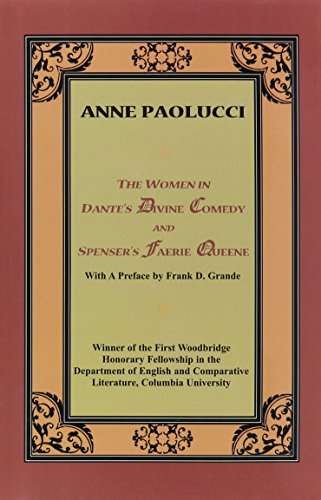
The women in the Divine Comedy and the Faerie Queen Anne Paolucci, 1963.
Detalles de publicación: Dover, DE Griffon House Publications 2005.Descripción: x, 196 p. 22 cmISBN:- 1932107169 (alk. paper)
- 851.1 D192zpa 22
- PQ4409.W8 P36 2005
| Imagen de cubierta | Tipo de ítem | Biblioteca actual | Biblioteca de origen | Colección | Ubicación en estantería | Signatura topográfica | Materiales especificados | Info Vol | URL | Copia número | Estado | Notas | Fecha de vencimiento | Código de barras | Reserva de ítems | Prioridad de la cola de reserva de ejemplar | Reservas para cursos | |
|---|---|---|---|---|---|---|---|---|---|---|---|---|---|---|---|---|---|---|
| Libro | Biblioteca Encarnación Valdés Colección General bev | 851.1 D192zpa (Navegar estantería(Abre debajo)) | Disponible | 80000002274788 |
Total de reservas: 0
Descripciones mejoradas de Syndetics:
The first substantial study on the importance of the women in the two major epics of the Renaissance, this work presents a compelling argument for comparison of the two epics, based on internal correspondence and similarities. Spenser, the epic poet of Protestant England, recalls in his dedicatory letter to Sir Walter Raleigh other epic poets - Ariosto, Tasso, Homer, Virgil - but is eloquently silent about the great epic poet of Roman Catholicism. Still, the grand scope of The Faeirie Queene , the multi-faceted role of the women, their importance in the religious and political design outlined by the poet, invite comparison with Dante's Divine Comedy .
Includes bibliographical references.