Imagen de Amazon.com

Portada de Syndetics
Imagen de OpenLibrary
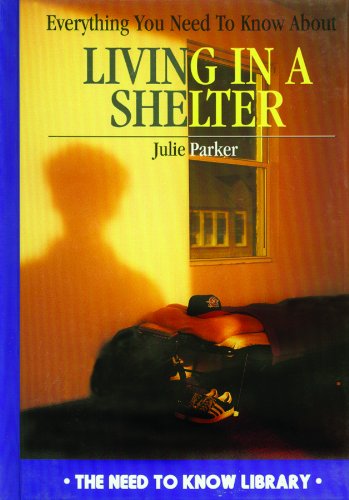
Everything you need to know about living in a shelter Julie Parker.
Series The Need to know libraryDetalles de publicación: New York Rosen Pub. Group c1995.Descripción: 64 pISBN:- 0823918742
- 362.5 20
- HV4505 .P27
| Imagen de cubierta | Tipo de ítem | Biblioteca actual | Biblioteca de origen | Colección | Ubicación en estantería | Signatura topográfica | Materiales especificados | Info Vol | URL | Copia número | Estado | Notas | Fecha de vencimiento | Código de barras | Reserva de ítems | Prioridad de la cola de reserva de ejemplar | Reservas para cursos | |
|---|---|---|---|---|---|---|---|---|---|---|---|---|---|---|---|---|---|---|
| Libro | Biblioteca de Mayagüez Colección General mb | HV4505 .P27 1995 (Navegar estantería(Abre debajo)) | Disponible | 50000001837995 | ||||||||||||||
| Libro | Biblioteca Encarnación Valdés Colección General bev | 362.5 P241e (Navegar estantería(Abre debajo)) | Disponible | 80000001910747 | ||||||||||||||
| Libro | Biblioteca Mons. Iñaki Mallona (Arecibo) Colección General ab | 362.5 P2381e (Navegar estantería(Abre debajo)) | Disponible | 60000003040299 |
Total de reservas: 0
Descripciones mejoradas de Syndetics:
Accelerated Reader is a program based on the fact that students become more motivated to read if they are tested on the content of the books they have read and are rewarded for correct answers. Students read each book, individually take the test on the computer, and receive gratification when they score well. Schools using the Accelerated Reader program have seen a significant increase in reading among their students.
This collection of high/low titles serves as a rich resource for your at-risk teens. With the test disk, it also provides an opportunity to reinforce your students' understanding of the material.
Includes bibliographical references and index.