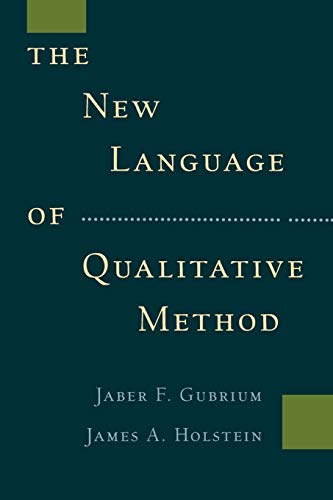

The new language of qualitative method Jaber F. Gubrium, James A. Holstein.
Detalles de publicación: New York Oxford University Press 1997.Descripción: x, 244 p. 24 cmISBN:- 019509994X (pbk.)
- 0195099931
- 300.72 G921n 20
- H62 .G82 1997
| Imagen de cubierta | Tipo de ítem | Biblioteca actual | Biblioteca de origen | Colección | Ubicación en estantería | Signatura topográfica | Materiales especificados | Info Vol | URL | Copia número | Estado | Notas | Fecha de vencimiento | Código de barras | Reserva de ítems | Prioridad de la cola de reserva de ejemplar | Reservas para cursos | |
|---|---|---|---|---|---|---|---|---|---|---|---|---|---|---|---|---|---|---|
| Libro | Biblioteca Encarnación Valdés Colección General bev | 300.72 G921n (Navegar estantería(Abre debajo)) | Disponible | 80000002113648 |
Descripciones mejoradas de Syndetics:
In recent years scholars and researchers in all disciplines have moved away from traditional quantitative methods of research to more qualitative methods which emphasize questions of meaning and interpretation. Considering research methodologies as a set of idioms, The New Language of Qualitative Method examines alternate vocabularies for conveying social reality. It offers a new theoretical view which reintegrates the traditional emphasis on the whats of social life with a contemporary understanding of the hows and whys. The text considers the basic presumptions, objectives, and research questions of four major research traditions: naturalism, ethnomethodology, emotionalism, and postmodernism. Using illustrations from classic texts, it shows how each idiom supplies a unique perspective on empirical reality. The text then examines the risks and rewards of each approach, offering a vision of a renewed language of inquiry that accommodates both traditional and contemporary concerns. Striving for balance, the authors not only contend with issues from alternate perspectives, but provide a basis for rapprochement between research traditions that have often remained isolated from each other. They also demonstrate how each approach may be used for research on family, aging, deviance and social problems, and organizations and institutions. Written in an accessible and engaging style, The New Language of Qualitative Method can be adopted in courses across the social sciences, and may also be used by a broad spectrum of qualitative researchers.
Includes bibliographical references (p. 225-237) and indexes.
Tabla de contenidos provista por Syndetics
- Introduction
- 1 Method Talk -- Varieties of Method Talk
- Common Threads
- Leading Questions
- Part I Idioms of Qualitative Inquiry
- 2 Naturalism -- "Being There"
- "Their Worlds"
- "Their Own Stories"
- A Tradition of Guidelines
- 3 Ethnomethodology -- The Roots of Ethnomethodology
- Bracketing Social Realities
- Etnomethodological Description
- The Talk of How
- 4 Emotionalism -- The Tone of Emotionalist Talk
- A Field of Emotion
- Creative Interviewing
- The Emotional Fieldworker
- Reenacting Emotionality
- 5 Postmodernism -- Expressions of Postmodernism
- Studying Cinematic Society
- Psychoanalytic Reading
- Confronting the Crisis of Representation
- Postmodernistic Representation
- Part II Renewing the Language
- 6 Analytic Choices -- Where Do We Go From Home?
- At the Lived Border of Reality and Representation
- Enduring Risks
- What Are the Options?
- Choosing an Analytic Vocabulary
- Analyzing Interpretive Practice
- 7 The "Artful" Side of Interpretive Practice -- Conversational Structure and Interactional Competencies
- Constitutive Description
- Narrative Practice
- 8 Condition of Interpretation -- Goffman as a Point of Departure
- Contingencies of Circumstance
- Interpretive Resources; Local Culture
- Institutional Sites/Sights of Local Culture
- The Comparative Ethnography of Interpretive Practice
- 9 Explanation and Deprivatization -- Emerging Explanatory Footings
- Deprivatization and Interpretation
- Diversity and Deprivatization
- Reflexively Reasserting the Common Threads