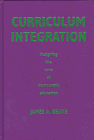
Imagen de portada de Amazon
Imagen de Amazon.com
Imagen de cubierta Syndetics
Portada de Syndetics
Imagen de OpenLibrary

Curriculum integration designing the core of democratic education James A. Beane.

Por: Detalles de publicación: New York, NY Teachers College Press 1997.Descripción: xiii, 122 pISBN:
  • 0807736848
Tema(s): Clasificación LoC:
  • LB2806.15 .B43 1977
Valoración
    Valoración media: 0.0 (0 votos)
Existencias
Imagen de cubierta Tipo de ítem Biblioteca actual Biblioteca de origen Colección Ubicación en estantería Signatura topográfica Materiales especificados Info Vol URL Copia número Estado Notas Fecha de vencimiento Código de barras Reserva de ítems Prioridad de la cola de reserva de ejemplar Reservas para cursos
Libro Biblioteca de Mayagüez Colección General mb LB2806.15 .B43 1977 (Navegar estantería(Abre debajo)) Disponible 50000002083219
Total de reservas: 0

Descripciones mejoradas de Syndetics:

Going well beyond other books on this subject, James Beane details the history of curriculum integration and analyzes current critiques to provide a complete theory of curriculum integration. He defines curriculum integration as a comprehensive approach rather than simply "rearranging subjects." Using many classroom examples, he explains the relationship between curriculum integration and the disciplines of knowledge. The approach set forth in this groundbreaking volume translates into a democratic vision of general education that transcends the current standards movement.

Includes index.

Includes bibliographical references (p. 105-115).

Reseñas proporcionadas por Syndetics

CHOICE Review

Beane distinguishes "curriculum integration" from interdisciplinary and multidisciplinary studies--a distinction that harks back to the early progressives, the Herbartians, and especially the work of Dewey. Beane's design for curriculum themes includes personal knowledge, social knowledge, explanatory knowledge, and technical knowledge. Two questions drive the curriculum collaboration between teachers and students: "What questions or concerns do you have about yourself? " and "What questions or concerns do you have about the world?" The author provides several concept webs to illustrate units planned around these questions. He forcefully argues that curriculum integration does not mean abandoning disciplines of knowledge, but rather using them to determine what one knows and needs to know about oneself and the world. Curriculum integration also emphasizes "bottom up" planning and collaboration between teachers and students at the classroom level, a seemingly novel approach that has in fact been around for many years. Beane offers clear and understandable examples of what curriculum integration means, how it can work, and how it fits a model democratic education. Suitable for all academic library collections supporting education programs. B. L. Nourie Illinois State University
Compartir
logopucpr-y-vive

Contáctanos

¡Queremos saber de ti!

Tel. 787.841.2000 Ext. 1801

bibliotecavaldes@pucpr.edu

⁣Búscanos en las redes

© 2026 Desarrollado por Ignite Online • All Rights Reserved • Powered by Koha.