Reseñas proporcionadas por Syndetics
Library Journal Review
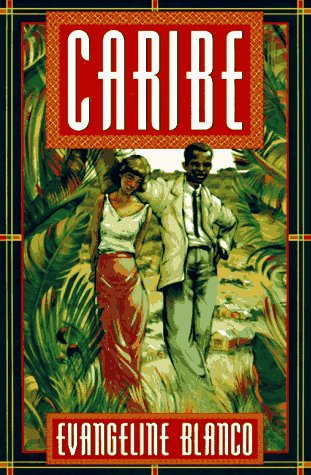
The ethnic stew that makes up Puerto Rico takes on mythic proportions in Blanco's first novel. Her shadowy protagonist, the black Dr. Rodriguez, heals the sick and impregnates unhappy white women in an attempt to populate the island with a mulatto race who will wage a war for independence. Ironically, the three children on whom Rodriguez pins most of his hopes turn out to be the true children of other men. The author weaves a tale of life on the island where love, loss, politics, and nature itself are inextricably intertwined. From characters like Juan, a mystic healer, and Luis, a brilliant beggar whose birth defects prevent him from ever standing upright, to Paula, a prostitute who murders the father and brothers who rape her, and Edelmira, whose childhood trauma prevents her from ever forming relationships, this novel resonates with life struggling to fulfill itself but, like the island's quest for independence, never quite achieving its potential. For larger fiction collections. [This novel won the University of California at Irvine's 21st Annual Chicano/Latino Literary Contest.Ed.]Andrea Caron Kempf, Johnson Cty. Community Coll. Lib., Overland Park, Kan. (c) Copyright 2010. Library Journals LLC, a wholly owned subsidiary of Media Source, Inc. No redistribution permitted.
CHOICE Review
This Garcia Marquez-style family saga documents the 100 years of solitude for people in search of an identity as they struggle for political and economic independence. Vehemently active in Puerto Rico's struggle, Rafael Rodriguez, a European-educated black country physician, determines to father many children and groom them to lead the island rebellion. These fictional characters move within the context of real historical events. Blanco highlights intermarriage and the subsequent sicknesses and interpersonal problems as the island experiences economic and racial tension in a class-driven society that becomes more competitive with the onset of progress. As island residents become acquainted, health and financial emergencies make them victims of the misunderstandings, jealousy, greed, and zealous national pride that plague people fighting for survival. Intertwined within the story are Juan Bobo fables, special family customs, and spiritual practices that lend authenticity to the fictional characters. Herself a Puerto Rican, the author enhances the novel with much dialogue. The book flows easily and provides a balanced and absorbing perspective on the human aspects of the Puerto Rican cultural heritage. A solid acquisition for fiction collections serving undergraduates and general readers. C. E. Klein Beaver College
Booklist Review
Winner of the University of California at Irvine's Twenty-first Annual Chicano/Latino Literary Contest, Caribe is part history lesson, part fable. Dr. Rafael Rodriguez has battled the prejudice of Puerto Rico's "white" Spanish population to become the island's first highly educated black physician. However, his success has exacted an emotional toll. Plying the backroads and taking care of many of the island's poorest residents, Rodriguez becomes consumed by the grandiose notion that he can father an army of rebels. The narrative tells the stories of his illegitimate children, among them, a wealthy, emotionally stunted lawyer, an eerie young man with second sight, and a rebellious young woman with a murderous temper. Author Blanco imparts the history of a society plagued by prejudice, all the while interweaving questions of class divisions, the politics of rebellion, and the meaning of cultural identity. Featuring a cast of more than 30, a recurring series of folktales about Simple Simon, and a dreamy, elliptical prose style, this first novel will appeal to those looking for challenging reading. --Joanne Wilkinson